Alexa Compatible Homes Smart Living, Benefits, and Real-World Examples
Smart homes are no longer futuristic ideas-they are present-day realities transforming everyday living. Among the most popular innovations in home automation are Alexa-compatible homes, where voice-controlled technology integrates with lighting, appliances, security, and entertainment systems. This article explores the concept of Alexa-compatible homes, their benefits, real-world product examples, and practical use cases that show why they are shaping the future of modern living.
Understanding Alexa Compatible Homes
Alexa-compatible homes are residences equipped with smart devices and systems that integrate with Amazon Alexa, a cloud-based voice assistant. Through Alexa, homeowners can control lighting, temperature, entertainment, and security with simple voice commands or automation routines.
Unlike traditional homes, Alexa-compatible properties are designed for seamless interaction between people and technology. Instead of manually operating switches, locks, or appliances, residents can simply say, “Alexa, turn off the lights,” or “Alexa, lock the front door.” This level of integration provides convenience, efficiency, and comfort that redefine what it means to live in a connected home.
Alexa-compatible homes can range from small apartments outfitted with a few devices to fully automated smart homes where nearly every function can be managed by voice or app-based control.
Benefits of Alexa-Compatible Homes
Convenience and Hands-Free Control
One of the most significant benefits of Alexa-compatible homes is the ability to control devices hands-free. Whether cooking in the kitchen, carrying groceries, or relaxing on the couch, homeowners can manage their environment without touching a switch or remote. This level of accessibility makes daily routines smoother and more efficient.
For instance, asking Alexa to dim the lights before bedtime or start the coffee maker in the morning eliminates repetitive tasks, creating a home environment that adapts to the needs of its residents.
Enhanced Energy Efficiency
Smart devices compatible with Alexa help optimize energy usage. Lights can be programmed to turn off when not in use, thermostats can adjust automatically based on occupancy, and appliances can run on energy-saving schedules. Over time, these optimizations lower utility bills and reduce environmental impact.
The integration of energy-efficient devices, such as smart plugs and thermostats, ensures that Alexa-compatible homes don’t just offer convenience but also support sustainable living practices.
Improved Home Security
Alexa-compatible homes enhance security through integration with smart locks, cameras, and alarm systems. Homeowners can monitor their properties remotely and receive real-time alerts about unusual activity. By simply asking Alexa, residents can check if the doors are locked, view camera feeds, or activate security systems.
This combination of convenience and security provides peace of mind for families, travelers, and individuals seeking safe, connected living spaces.
Real-World Examples of Alexa-Compatible Devices in Homes
1. Echo Show Smart Display
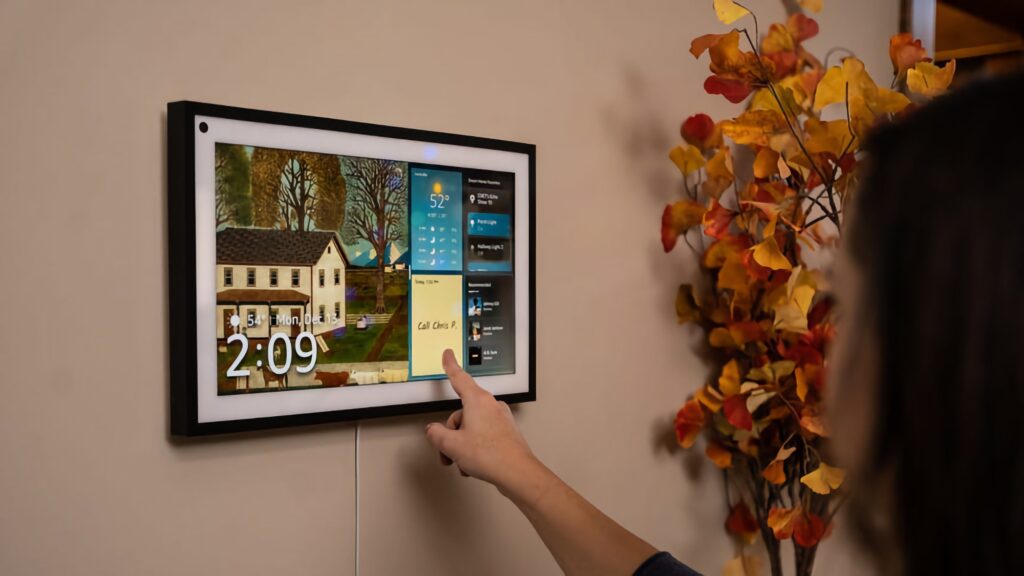
The Echo Show is one of the most versatile Alexa-compatible devices, serving as a central hub for smart home management. With its built-in screen, homeowners can not only issue voice commands but also visually monitor security camera feeds, control connected lights, or even follow step-by-step cooking instructions.
In an Alexa-compatible home, the Echo Show becomes more than a smart speaker-it functions as the command center for automation. Its ability to integrate with hundreds of smart devices makes it an essential component of modern connected living.
2. Ring Video Doorbell
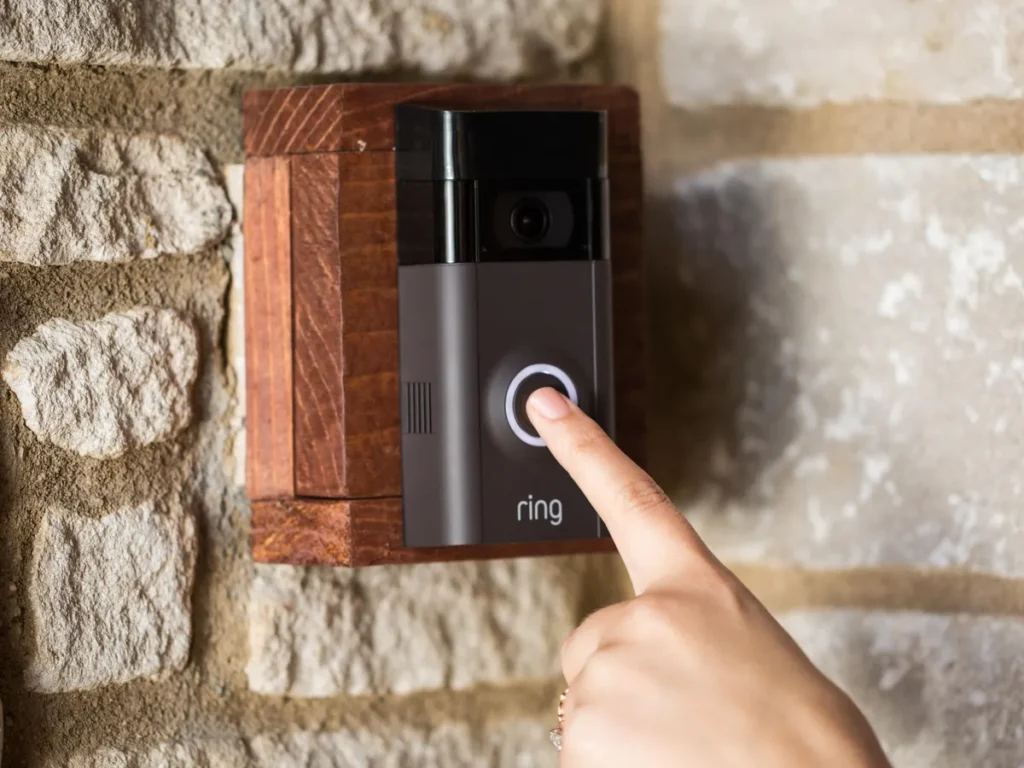
The Ring Video Doorbell integrates seamlessly with Alexa, allowing homeowners to monitor who is at the door via an Echo Show or smartphone app. With Alexa integration, users can receive real-time announcements when someone presses the doorbell or motion is detected.
This device adds a critical layer of security to Alexa-compatible homes. Families can communicate with visitors remotely, deter unwanted guests, and ensure safer entry points—all with hands-free voice commands.
3. Philips Hue Smart Lighting System

Philips Hue lighting systems are Alexa-compatible and allow homeowners to control brightness, color, and schedules with simple commands like, “Alexa, set the living room lights to warm white.” These smart bulbs and fixtures bring customizable ambiance into Alexa-compatible homes.
The relevance of Philips Hue lies in its ability to transform living environments. From setting mood lighting for movie nights to automatically adjusting brightness in the morning, the system showcases how Alexa integration can enhance daily comfort and atmosphere.
4. Ecobee Smart Thermostat with Alexa
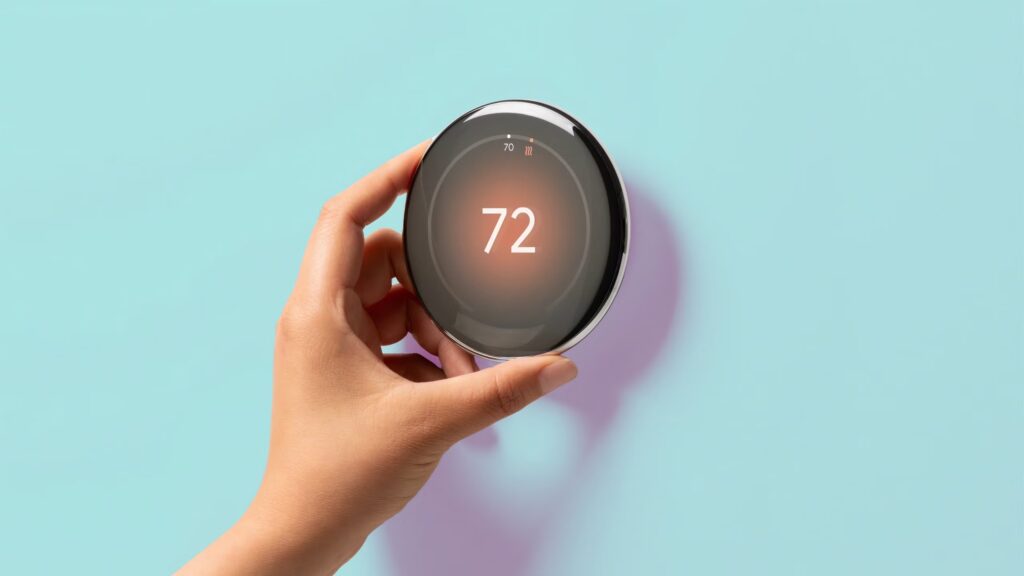
The Ecobee Smart Thermostat not only works with Alexa but also includes built-in Alexa functionality. This allows users to adjust heating and cooling through voice commands while benefiting from advanced features like occupancy detection and energy reports.
This device exemplifies the marriage of energy efficiency and smart living. By learning household patterns, it ensures that homes remain comfortable while minimizing wasted energy, a major advantage for eco-conscious homeowners.
Practical Advantages of Alexa-Compatible Homes
Seamless Daily Routines
Alexa-compatible homes automate routines that make life easier. For example, residents can set a “Good Morning” routine that gradually turns on lights, starts the coffee machine, and reads the daily news headlines. Similarly, a “Good Night” routine can lock doors, dim lights, and set alarms automatically.
These personalized automations save time and create a smoother flow to the day, turning repetitive tasks into effortless experiences.
Accessibility for All
For elderly residents or individuals with mobility challenges, Alexa-compatible homes offer enhanced accessibility. Voice commands can replace manual tasks, such as turning on lights or adjusting thermostats, making independent living more achievable and comfortable.
The inclusivity of Alexa-compatible homes makes them particularly valuable for households with diverse needs, ensuring that everyone can benefit from smart living technologies.
Entertainment Integration
Alexa-compatible homes provide endless entertainment possibilities. Residents can control music, TV, or streaming platforms using only their voices. Multi-room audio, hands-free video calls, and integration with platforms like Netflix or Spotify create immersive entertainment environments.
This functionality transforms the home into a connected entertainment hub that adapts to every preference and occasion.
The Role of Technology in Alexa-Compatible Homes
The success of Alexa-compatible homes lies in the convergence of voice recognition, IoT (Internet of Things), and cloud-based AI. Alexa acts as the orchestrator, linking various smart devices into a cohesive ecosystem.
For homeowners, this means that once devices are connected, they work together in harmony. For example, motion sensors can trigger lights while Alexa provides verbal updates, or a smart thermostat can adjust based on real-time weather updates. The result is a living environment that feels intuitive and adaptive.
As technology continues to evolve, Alexa-compatible homes are expected to include even deeper AI personalization, predictive behaviors, and integration with renewable energy systems.
Use Cases: Why Alexa-Compatible Homes Are Valuable
Families with Busy Lifestyles
Parents managing work, school, and household tasks benefit greatly. Automating routines like turning off lights, managing shopping lists, or reminding children about homework reduces stress and increases productivity.
Remote Workers
With more people working from home, Alexa-compatible homes streamline the workday. Alexa can schedule meetings, control smart office lighting, or integrate with video conferencing platforms, ensuring that remote work remains efficient and well-managed.
Frequent Travelers
For individuals who travel often, Alexa-compatible homes provide peace of mind. From checking security cameras remotely to adjusting thermostats before returning home, travelers can manage their properties no matter where they are.
Frequently Asked Questions (FAQs)
Q1. Do Alexa-compatible homes require professional installation?
Not always. Many Alexa-compatible devices are plug-and-play and can be set up by homeowners. However, larger smart home systems may benefit from professional installation for optimal performance.
Q2. Can Alexa-compatible homes work without the internet?
Most features require an internet connection since Alexa is a cloud-based system. While some devices may function locally, the full range of voice commands and integrations relies on Wi-Fi.
Q3. Are Alexa-compatible homes secure from hacking?
Security is a priority for smart homes. Using strong Wi-Fi passwords, enabling two-factor authentication, and regularly updating devices greatly reduces risks. Alexa also offers privacy settings that allow users to manage data collection.