Urban Real Estate Market Trends and Insights for Modern Investors
The urban real estate market has always been one of the most dynamic and evolving sectors in property investment. With rapid urbanization, shifting lifestyle preferences, and the influence of technology, this market has transformed into a landscape filled with opportunities and challenges. Today, investors, developers, and homeowners alike are paying closer attention to how cities are reshaping their real estate strategies.
From sustainable smart buildings to mixed-use developments, urban real estate reflects the heartbeat of modern living. This article explores in-depth insights into the urban real estate market, real-world examples, the benefits of technology, and practical use cases that explain its growing importance.
Understanding the Urban Real Estate Market
The urban real estate market refers to properties located within metropolitan and city-centered environments. Unlike suburban or rural markets, urban real estate is heavily influenced by population density, transportation access, and lifestyle-driven demand. Cities act as economic hubs, attracting professionals, students, and businesses, making real estate in these areas both competitive and valuable.
Another defining feature of the urban market is the shift toward vertical living. High-rise condominiums, co-living spaces, and mixed-use buildings are becoming more popular as city planners and developers respond to limited land availability. This results in properties that offer not just housing but also integrated shopping, dining, and leisure options within the same space.
Key Factors Driving the Urban Real Estate Market
Urban markets are shaped by several unique factors that distinguish them from suburban developments. The growing demand for proximity to work, education, healthcare, and entertainment is pushing people into city environments. At the same time, urban areas are experiencing infrastructural improvements such as better public transit and digital connectivity.
Additionally, the younger workforce, especially millennials and Gen Z, prefer flexible living arrangements and prioritize accessibility over traditional homeownership. This demographic shift fuels the demand for rental properties, shared housing, and smaller but tech-enabled apartments. Developers now design spaces that focus on compact yet highly functional urban housing.
The Role of Technology in the Urban Real Estate Market
Technology has revolutionized how people buy, sell, and live in urban properties. From smart building infrastructure to virtual property tours, digital solutions are enhancing both the customer experience and property management.
Urban developers increasingly integrate smart home devices, AI-powered property management systems, and sustainable energy solutions into new housing projects. These innovations not only improve convenience but also add long-term value for both investors and residents. Technology-driven features are no longer a luxury-they are an expectation in most metropolitan real estate markets.
Real-World Examples of Urban Real Estate Innovations
1. Hudson Yards, New York City
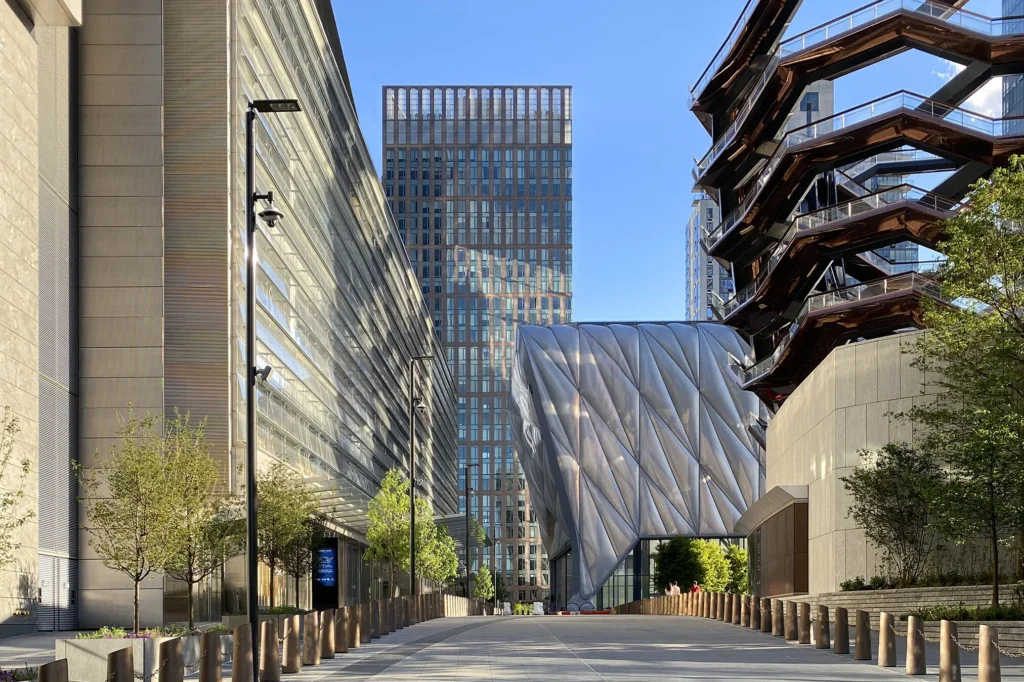
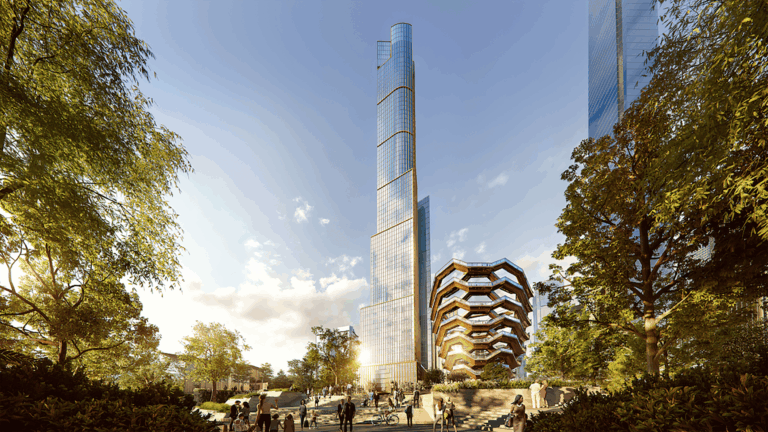
Hudson Yards stands as one of the most ambitious urban real estate projects in the world. This mixed-use development integrates luxury residences, office spaces, parks, and retail hubs in a single neighborhood. Its success reflects how urban planning is embracing multifunctional living, turning real estate projects into self-sustaining communities.
What makes Hudson Yards particularly innovative is its focus on connectivity and sustainability. It has one of the largest private Wi-Fi systems in New York, coupled with advanced energy efficiency systems. Investors see it as a blueprint for future urban developments that combine lifestyle and technology in a seamless manner.
2. Marina One, Singapore

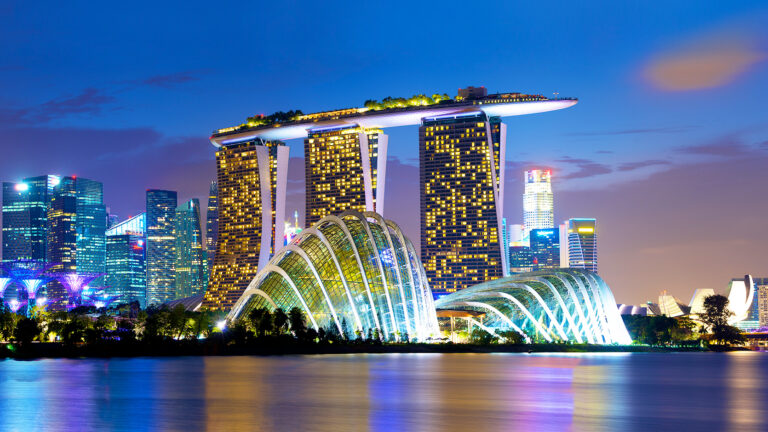
Singapore is well known for pioneering urban real estate solutions, and Marina One is a prime example. Designed as a green urban sanctuary, it includes residential towers, offices, and retail spaces, surrounded by lush greenery. This development demonstrates how urban centers can balance dense construction with sustainable design.
The heart of Marina One is its “Green Heart,” a 65,000 sq. ft. garden located at the center of the development. For city dwellers, it represents not only a living space but also a lifestyle that merges urban convenience with environmental wellness.
3. Bosco Verticale, Milan

Bosco Verticale, or “Vertical Forest,” is an iconic urban real estate project in Italy. The residential towers are covered in thousands of trees and shrubs, creating a vertical ecosystem. This project showcases how architecture can combat pollution, reduce noise, and enhance biodiversity even in dense city centers.
Bosco Verticale is not just visually stunning; it solves real urban challenges by improving air quality and reducing energy consumption. It has become a global case study for architects and urban developers looking to integrate sustainability with high-density housing.
4. Smart City Kochi, India
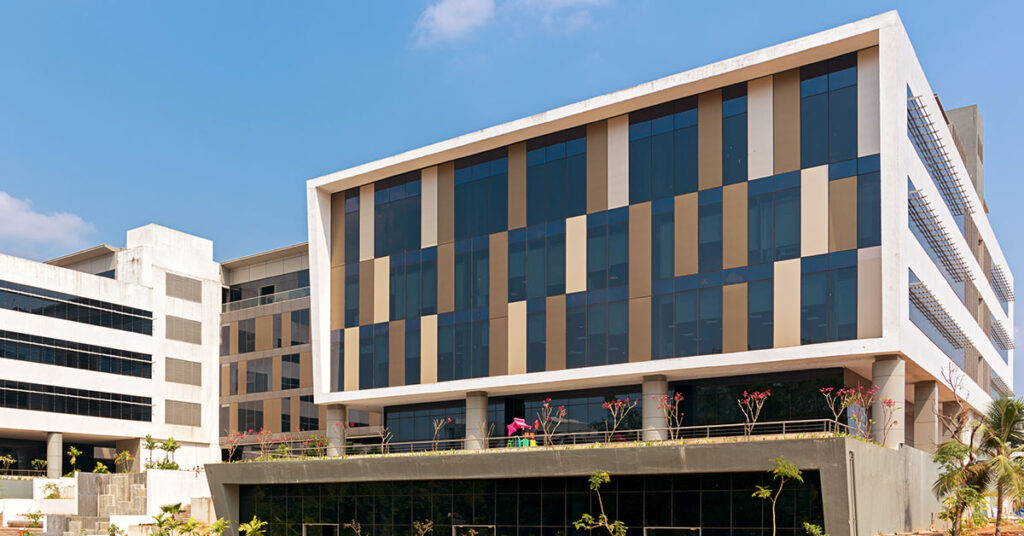
Urban real estate in India has seen rapid transformation, with Smart City Kochi emerging as a leading example. This development integrates residential housing with IT parks, business hubs, and digital infrastructure. The concept aims to create a fully integrated smart city that attracts global businesses while offering residents a modern lifestyle.
By embedding technology into its real estate design, Kochi demonstrates how urban planning can directly impact regional economic growth. Its model highlights the potential for similar smart city projects across Asia and beyond.
Benefits of Technology in Urban Real Estate
The integration of technology in the urban real estate market has led to multiple benefits that redefine modern living.
One of the primary advantages is energy efficiency and sustainability. Smart meters, solar-integrated rooftops, and AI-driven energy management reduce utility costs while making properties eco-friendly. For investors, these features increase long-term property value.
Another benefit is enhanced security and convenience. Smart locks, surveillance systems, and IoT-enabled devices allow urban residents to monitor and control their homes remotely. In cities where safety and fast-paced lifestyles are top priorities, these features are vital.
Technology also provides better property management. For example, landlords and real estate companies can monitor tenant needs, manage maintenance requests, and optimize rental operations with digital platforms. This reduces costs and improves customer satisfaction.
Practical Use Cases of the Urban Real Estate Market
Urban real estate is not just about housing-it solves several real-world problems:
-
Maximizing limited space: High-rise residential complexes make it possible to house large populations in dense city areas.
-
Reducing commute times: Mixed-use developments place workplaces, schools, and entertainment venues within walking distance.
-
Promoting sustainability: Vertical gardens, green rooftops, and smart energy systems reduce the environmental footprint of city living.
-
Economic growth: Large urban developments attract businesses, create jobs, and boost local economies.
-
Improved lifestyle quality: Integrated technology ensures residents live in safer, more efficient, and convenient environments.
Frequently Asked Questions
Q1. What is driving the growth of the urban real estate market?
The main drivers include population growth, demand for accessibility, technological advancements, and the shift toward mixed-use developments that combine residential, commercial, and recreational spaces.
Q2. How does technology influence urban real estate?
Technology improves sustainability, enhances security, reduces costs, and increases property value. Features like smart home integration, IoT monitoring, and AI-driven management are now standard in urban developments.
Q3. What role does sustainability play in urban housing projects?
Sustainability is a core focus, with developments increasingly integrating green spaces, renewable energy, and eco-friendly designs. These measures not only reduce the environmental impact but also attract eco-conscious buyers and tenants.