Waterfront Property Investment A Complete Guide to Coastal and Lakeside Real Estate
Waterfront property investment is one of the most lucrative sectors in real estate, offering a combination of financial security, lifestyle benefits, and long-term value. Whether along oceans, lakes, or rivers, waterfront properties are prized for their scenic views, exclusive access, and scarcity. These factors make them highly sought after by homeowners, retirees, and investors alike.
In addition to lifestyle and investment potential, modern waterfront properties increasingly integrate smart technology and sustainable solutions, ensuring long-term resilience against environmental risks such as flooding, erosion, and storms. As a result, investors today focus not only on location but also on the property’s technological and structural advantages.
Why Waterfront Properties Are Attractive Investments
The appeal of waterfront properties lies in their rarity and exclusivity. Land adjacent to water is finite, which ensures that demand remains high even during economic downturns. Properties with direct access to beaches, lakes, or private docks command premium prices, making them reliable assets for both appreciation and rental income.
Furthermore, waterfront properties often attract a diverse audience. Families appreciate recreational opportunities, retirees seek relaxation and tranquility, and investors are drawn by strong rental yields. Many coastal and lakeside properties also serve dual purposes: personal use and rental income, offering a balanced approach to investment and lifestyle.
Factors Influencing Waterfront Property Investment
Several critical factors affect the success of a waterfront property investment. Location is paramount-proximity to urban centers, recreational hubs, and high-quality infrastructure can significantly influence property value. Additionally, environmental conditions, including flood risk, climate resilience, and water quality, play a major role in determining long-term value.
Regulatory considerations, such as zoning laws, environmental protection regulations, and building codes, also influence investment decisions. Properties that adhere to sustainable building standards or incorporate smart flood and energy management systems are increasingly favored by modern buyers and investors.
The Role of Technology in Waterfront Property Investment
Technology enhances both the value and convenience of waterfront properties. Smart home systems allow remote control of lighting, climate, and security, which is particularly useful for properties used as vacation rentals or second homes.
Advanced construction technologies also ensure resilience against environmental challenges. These include hurricane-resistant glass, elevated foundations, advanced insulation, and renewable energy systems. Remote property management platforms make it easier for investors to monitor occupancy, schedule maintenance, and manage rentals efficiently, even from afar.
Real-World Examples of Waterfront Property Investment
1. Miami Beach, Florida

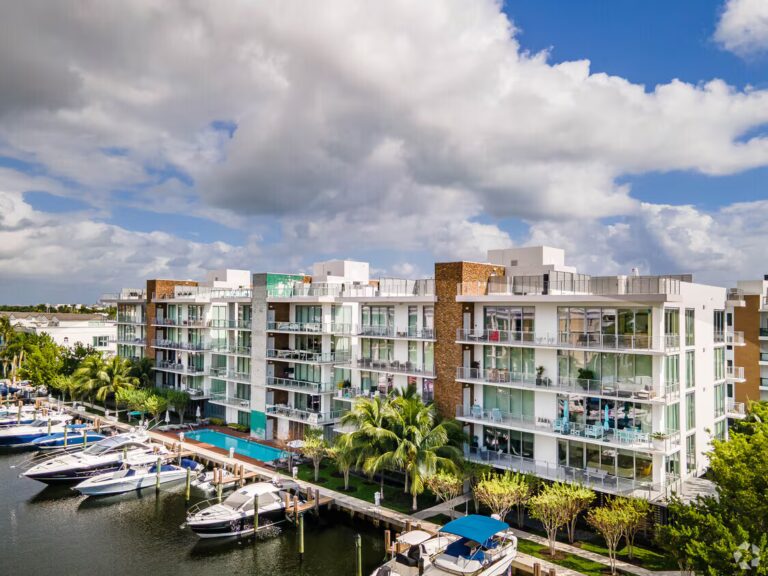
Miami Beach is renowned for its high-end waterfront properties. Luxury condos and private villas here provide oceanfront access, state-of-the-art amenities, and strong rental demand. Investors benefit from both property appreciation and consistent short-term rental income, particularly during peak tourist seasons.
Modern developments integrate advanced hurricane-resistant designs, automated security systems, and energy-efficient technologies. This ensures that properties maintain value while providing comfort and safety to residents and renters alike.
2. Lake Tahoe, California/Nevada

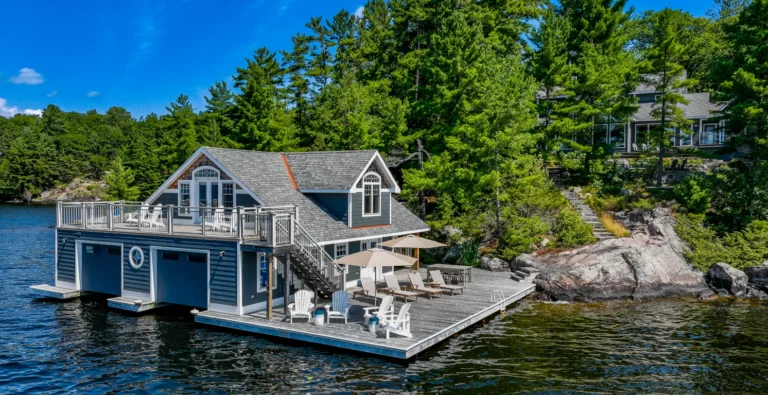
Lake Tahoe presents a prime opportunity for lakefront property investment. These homes attract year-round visitors, offering both summer and winter rental potential. Investors can benefit from high occupancy rates and lifestyle-oriented buyers seeking serene lakeside living.
Properties in this area emphasize sustainability and smart home integration, including energy-efficient heating systems, advanced insulation, and remote monitoring. These features enhance comfort and resilience in a climate that experiences snow and cold winters.
3. Cape Cod, Massachusetts
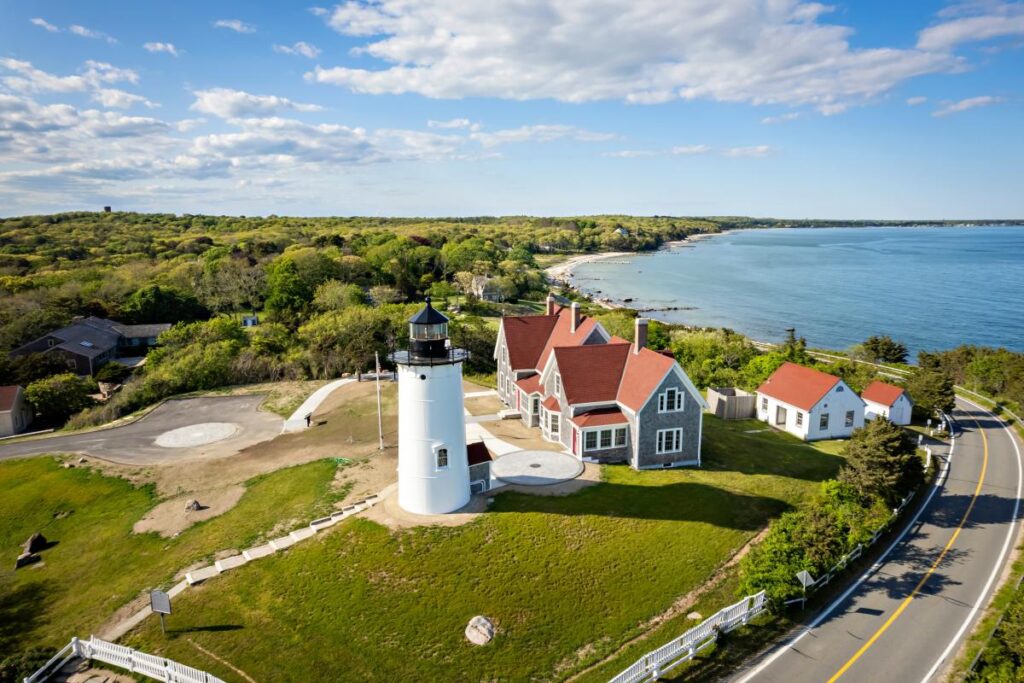
Cape Cod combines historic charm with oceanfront investment potential. Properties here attract both seasonal vacationers and long-term residents, providing steady demand and appreciation. Limited availability of waterfront land ensures properties remain highly valuable.
Developments increasingly incorporate technologies such as automated shutters, smart lighting, and flood-resistant construction materials. This ensures that historic properties can meet modern standards of comfort, safety, and efficiency.
4. Seattle Waterfront, Washington

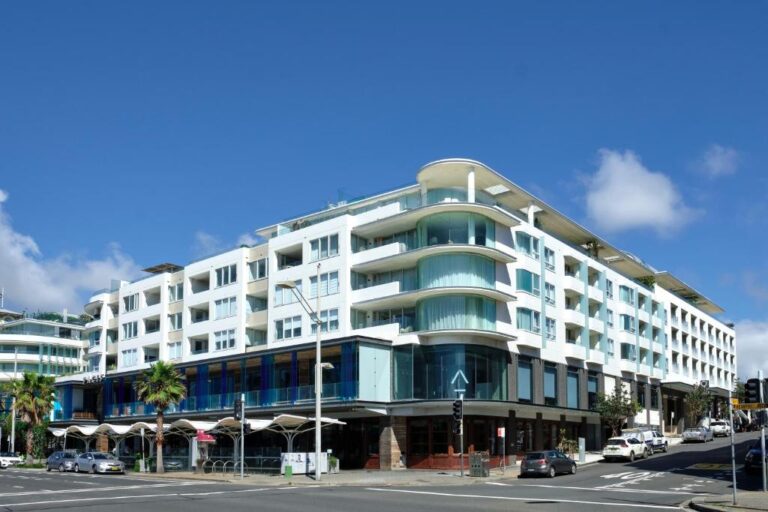
Seattle’s urban waterfront offers investment opportunities that merge city convenience with coastal living. Waterfront condos and apartments cater to professionals seeking scenic views while staying close to work hubs.
Developers focus on sustainable building technologies, such as rainwater collection systems, solar energy, and automated ventilation, which not only increase property value but also attract eco-conscious buyers.
5. Charleston, South Carolina

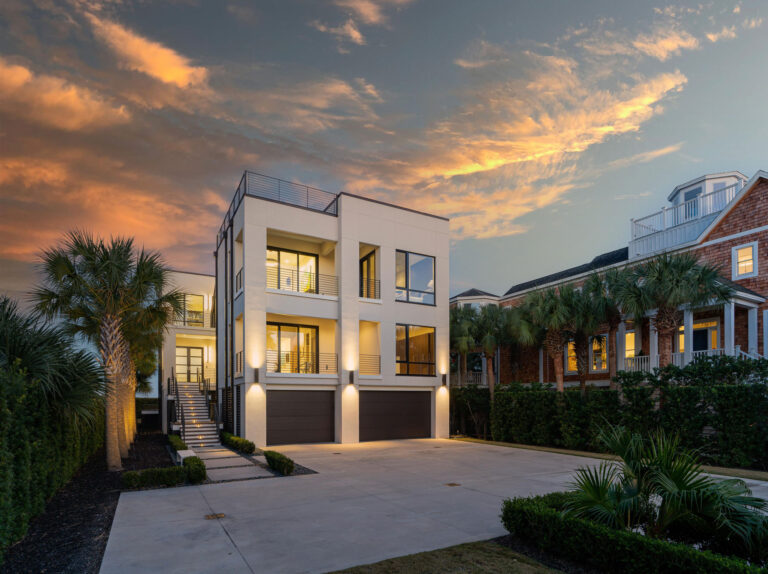
Charleston’s waterfront properties exemplify the blend of Southern charm and investment security. The market appeals to retirees, professionals, and lifestyle buyers seeking ocean views and historic surroundings.
Many properties feature elevated foundations and flood-resistant designs. Coupled with smart home integrations for energy and security management, these properties balance aesthetics, safety, and modern convenience.
Benefits of Waterfront Property Investment
Waterfront properties offer unmatched lifestyle advantages, including recreational activities such as boating, swimming, and fishing. Access to serene natural surroundings contributes to mental well-being and overall quality of life.
From a financial perspective, waterfront properties tend to maintain or increase value over time due to scarcity and sustained demand. Rental yields, especially in popular coastal or lakeside areas, provide reliable passive income. Long-term appreciation combined with lifestyle benefits makes waterfront properties an ideal investment.
Practical Use Cases of Waterfront Property Investment
Long-term wealth building is a key use case. Waterfront properties typically appreciate faster than non-waterfront properties, making them suitable for generational wealth transfer.
Investors can also leverage these properties for income diversification. Seasonal or vacation rentals offer strong returns in popular destinations. For lifestyle-focused buyers, waterfront properties provide personal retreats, family gathering spaces, and second homes, blending utility with investment potential.
Waterfront properties can also serve as hybrid investment solutions, combining personal enjoyment with rental income. This dual functionality ensures maximum utilization and value over time.
Frequently Asked Questions
Q1. What makes waterfront properties more valuable than standard real estate?
Waterfront properties are rare, provide exclusive access to water, and typically command higher prices due to their scenic and recreational appeal. Their limited availability ensures strong demand and long-term appreciation.
Q2. How does technology improve waterfront property investment?
Technology enhances security, energy efficiency, and convenience. Smart home systems, automated monitoring, and sustainable building technologies increase property value while providing ease of management for owners and investors.
Q3. Are waterfront properties a safe investment long-term?
Yes, with proper risk assessment and technology integration, waterfront properties are generally resilient investments. Scarcity, high demand, and consistent lifestyle appeal contribute to long-term stability and value growth.