Coastal Real Estate Trends 2025 Insights and Investment Opportunities
Coastal Real Estate Trends 2025 market continues to evolve rapidly, shaped by changing buyer preferences, environmental factors, and technological advancements. In 2025, trends indicate a significant shift toward sustainable, technologically integrated properties, along with strong demand for waterfront living. Investors and homeowners are increasingly looking for properties that not only offer scenic beauty but also resilience, efficiency, and long-term value.
Coastal real estate is no longer just about luxury or vacation homes. It has become a strategic investment avenue, blending lifestyle, financial growth, and technological innovation. Understanding these emerging trends can help buyers, developers, and investors make informed decisions in a competitive market.
Key Drivers Shaping Coastal Real Estate in 2025
Several factors are influencing coastal property trends. One major driver is environmental awareness. Rising sea levels, storm risks, and climate change are prompting buyers and developers to prioritize resilient construction methods and protective measures.
Another critical factor is urbanization and accessibility. Coastal cities are witnessing increased development of mixed-use waterfront communities, combining residential, commercial, and recreational spaces. The integration of smart technologies, such as home automation and energy-efficient solutions, further enhances the appeal of coastal properties.
Sustainability and Green Building in Coastal Real Estate
Sustainability is no longer optional in coastal real estate. Modern buyers are increasingly drawn to properties that incorporate green building practices, including solar panels, rainwater harvesting, and sustainable materials. These features not only reduce environmental impact but also lower long-term operational costs.
Developers are now integrating resilient architecture to combat climate-related risks. Elevated foundations, hurricane-resistant designs, and flood mitigation systems are becoming standard in coastal developments. These innovations ensure that coastal investments retain value despite environmental challenges.
Technology Integration Driving Coastal Property Value
Smart home technology has emerged as a major trend in 2025 coastal real estate. Automated lighting, climate control, remote security monitoring, and energy management systems are increasingly common in high-end coastal properties.
Technology also supports property management and rental operations. For investors using vacation rental models, smart systems allow for remote monitoring, seamless guest experiences, and efficient maintenance scheduling. These technological advancements enhance both lifestyle convenience and investment potential.
Real-World Examples of Coastal Real Estate Trends
1. Miami Beach, Florida

Miami Beach remains a prime example of high-demand coastal real estate. Luxury oceanfront condos and villas combine scenic views with state-of-the-art amenities. Smart home integration, hurricane-resistant construction, and energy-efficient systems are standard in many developments.
Investors benefit from both strong rental demand and long-term property appreciation. Miami Beach exemplifies the fusion of lifestyle, investment, and technology, illustrating broader trends in 2025 coastal real estate.
2. Malibu, California
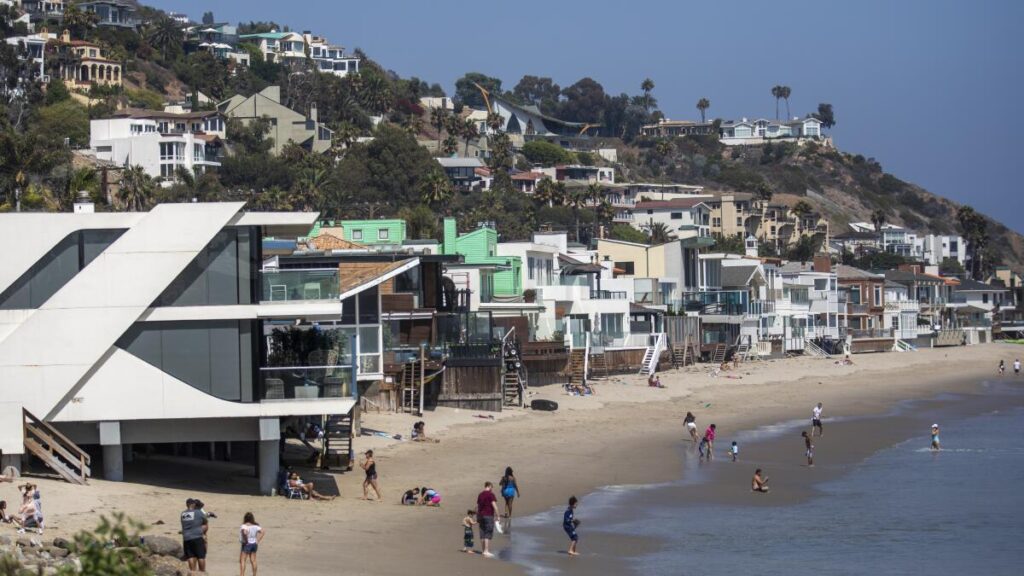
Malibu has long been synonymous with luxury coastal living. In 2025, its real estate market reflects an emphasis on sustainability and privacy. Newer developments incorporate solar power, water-efficient landscaping, and advanced climate resilience measures.
These homes cater to buyers seeking a combination of lifestyle and investment security. Malibu properties demonstrate the growing trend of environmentally conscious coastal living while maintaining high market value.
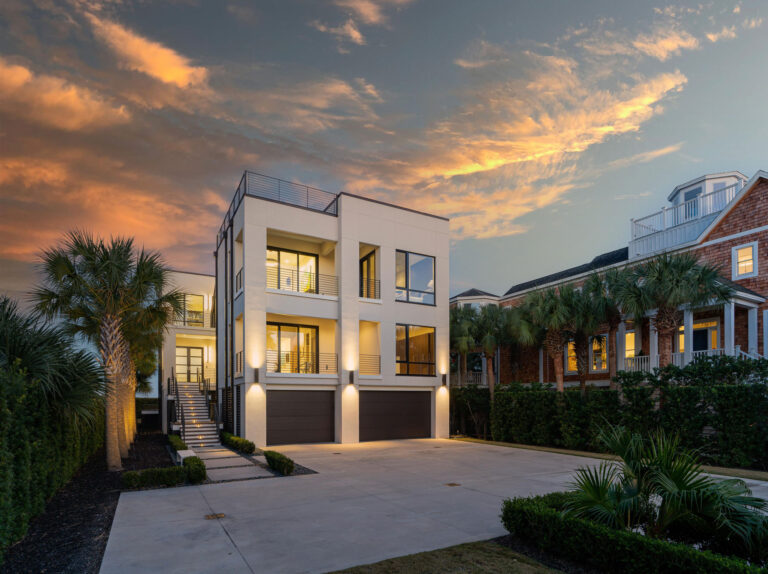
3. Charleston, South Carolina
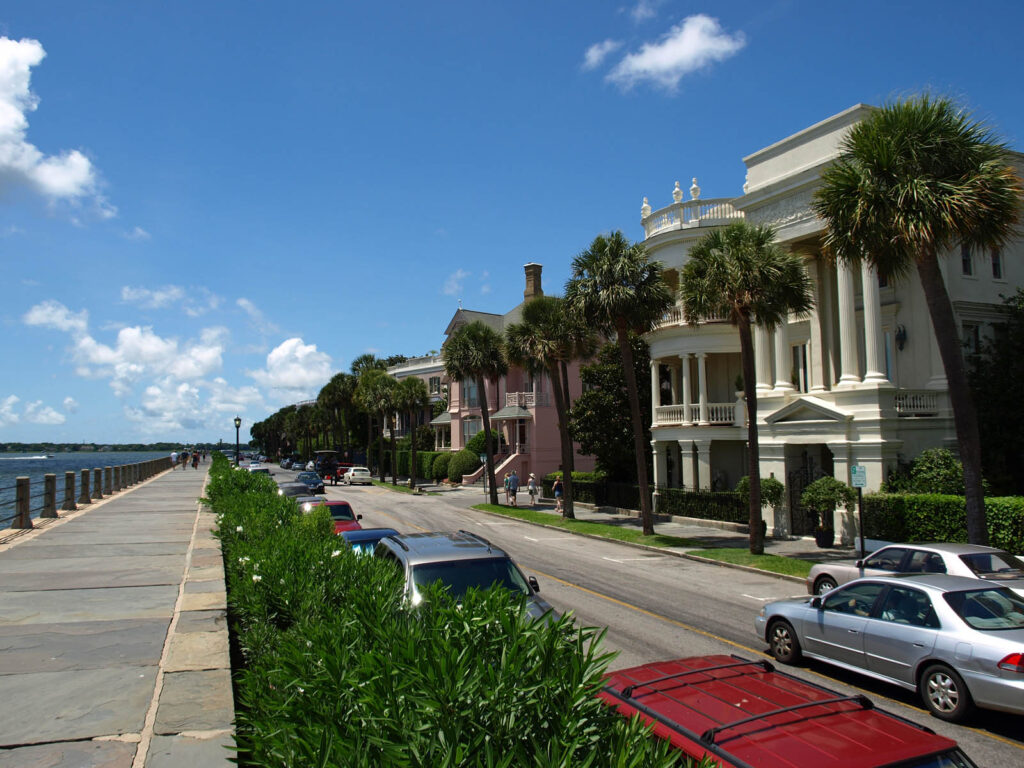
Charleston offers a unique combination of historic charm and modern coastal real estate innovation. Properties often integrate flood-resistant design, automated security systems, and energy-efficient appliances.
The market attracts both retirees and lifestyle buyers, reflecting a trend toward multi-generational coastal living. Charleston illustrates how technology and resilience are now essential considerations in coastal investments.
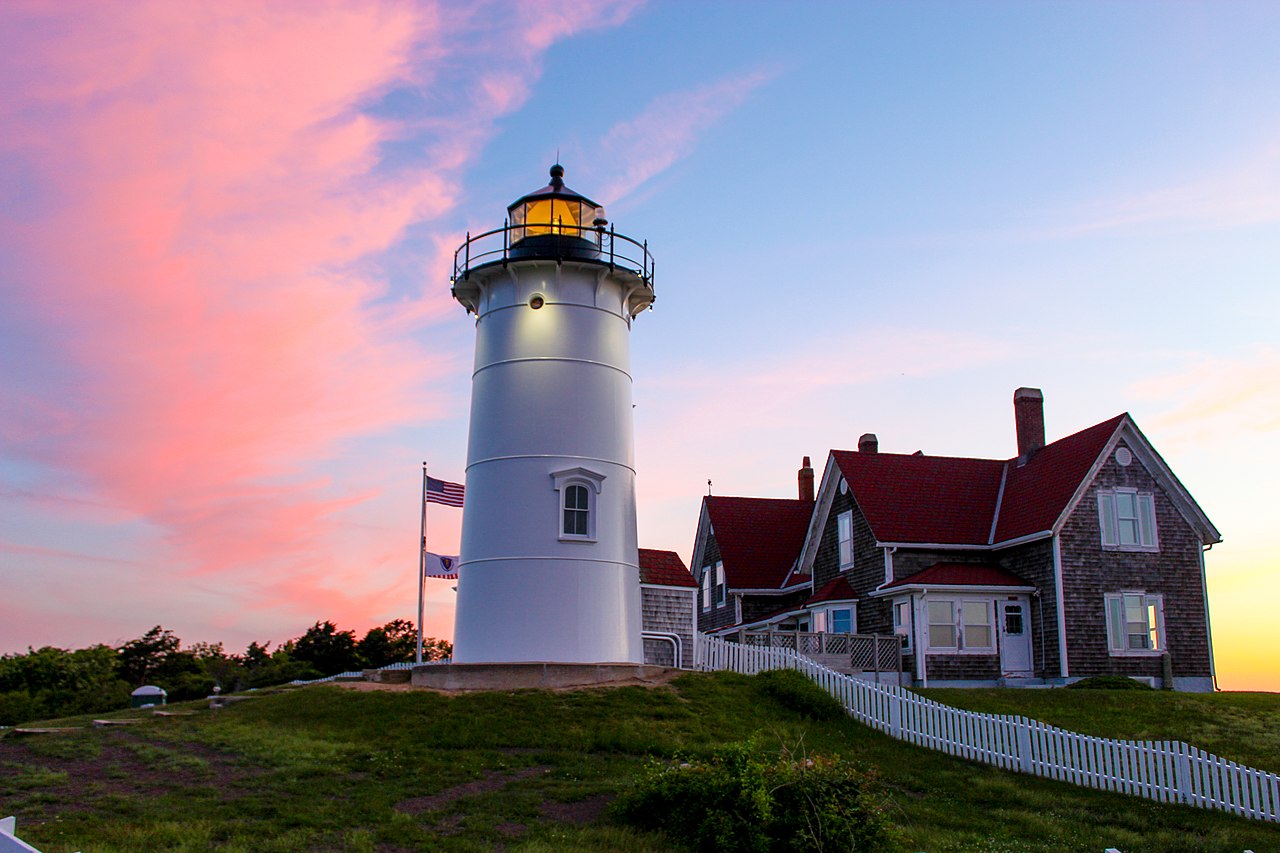
4. Cape Cod, Massachusetts

Cape Cod continues to appeal to seasonal and permanent buyers alike. Investment trends highlight the growing importance of smart home systems, sustainable construction, and flood mitigation.
Developers focus on creating homes that maintain historic aesthetics while incorporating modern efficiency and comfort. Cape Cod’s real estate trends indicate a balance between tradition and innovation in coastal markets.
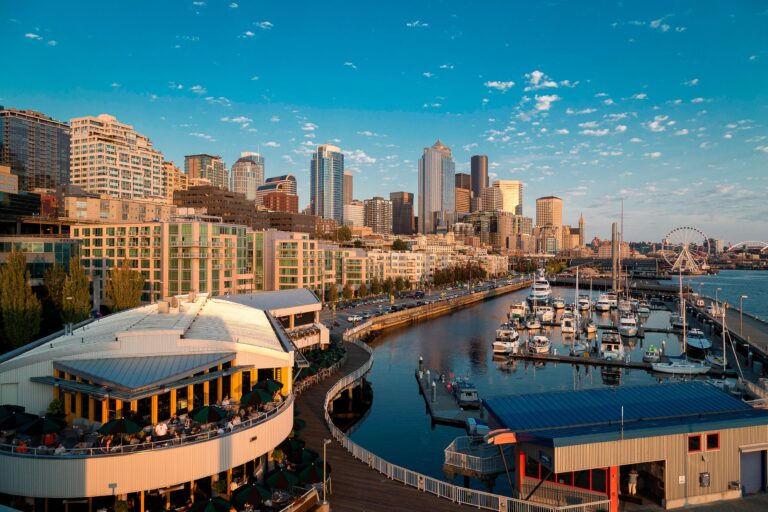
5. Seattle Waterfront, Washington

Seattle’s coastal properties blend urban convenience with waterfront access. Trends show a focus on mixed-use developments, smart technology integration, and sustainable design.
The combination of city proximity and natural beauty makes these properties attractive for both investors and professionals seeking coastal urban living. Seattle demonstrates how urbanization and sustainability shape contemporary coastal real estate trends.
Benefits of Adopting Coastal Real Estate Trends
Investing in properties aligned with current coastal trends provides several advantages. Sustainability reduces long-term costs and enhances property value, while smart technology increases convenience and security.
Additionally, properties designed for climate resilience offer a form of risk mitigation. Buyers and investors gain peace of mind knowing that their assets are prepared for environmental challenges such as flooding, storms, and erosion.
Lifestyle benefits are equally important. Access to recreational opportunities like boating, swimming, and beach activities enhances the overall appeal of coastal properties, making them attractive for personal use and rental markets.
Practical Use Cases of Coastal Real Estate Trends
One key use case is long-term investment growth. Properties built with sustainable materials and smart technology are more likely to retain value and attract premium buyers or renters over time.
Another use case is vacation and short-term rental management. Smart systems and resilient designs allow owners to manage coastal properties remotely, maximize rental income, and ensure a high-quality guest experience.
Coastal properties also serve lifestyle purposes. Families, retirees, and professionals can enjoy scenic living with recreational access, combining personal enjoyment with potential financial returns.
Frequently Asked Questions
Q1. What are the top trends in coastal real estate for 2025?
The main trends include sustainability, climate resilience, smart home integration, and mixed-use waterfront developments. Properties are increasingly designed to balance lifestyle, environmental responsibility, and investment potential.
Q2. How does technology impact coastal property investment?
Smart home technology enhances security, energy efficiency, and property management. Remote monitoring, automated systems, and advanced energy solutions increase convenience and long-term property value.
Q3. Why is sustainability important in coastal real estate?
Sustainability reduces environmental impact, lowers operational costs, and enhances resilience against climate-related risks. Eco-friendly features such as solar energy, flood-resistant design, and efficient water systems increase property attractiveness and value.