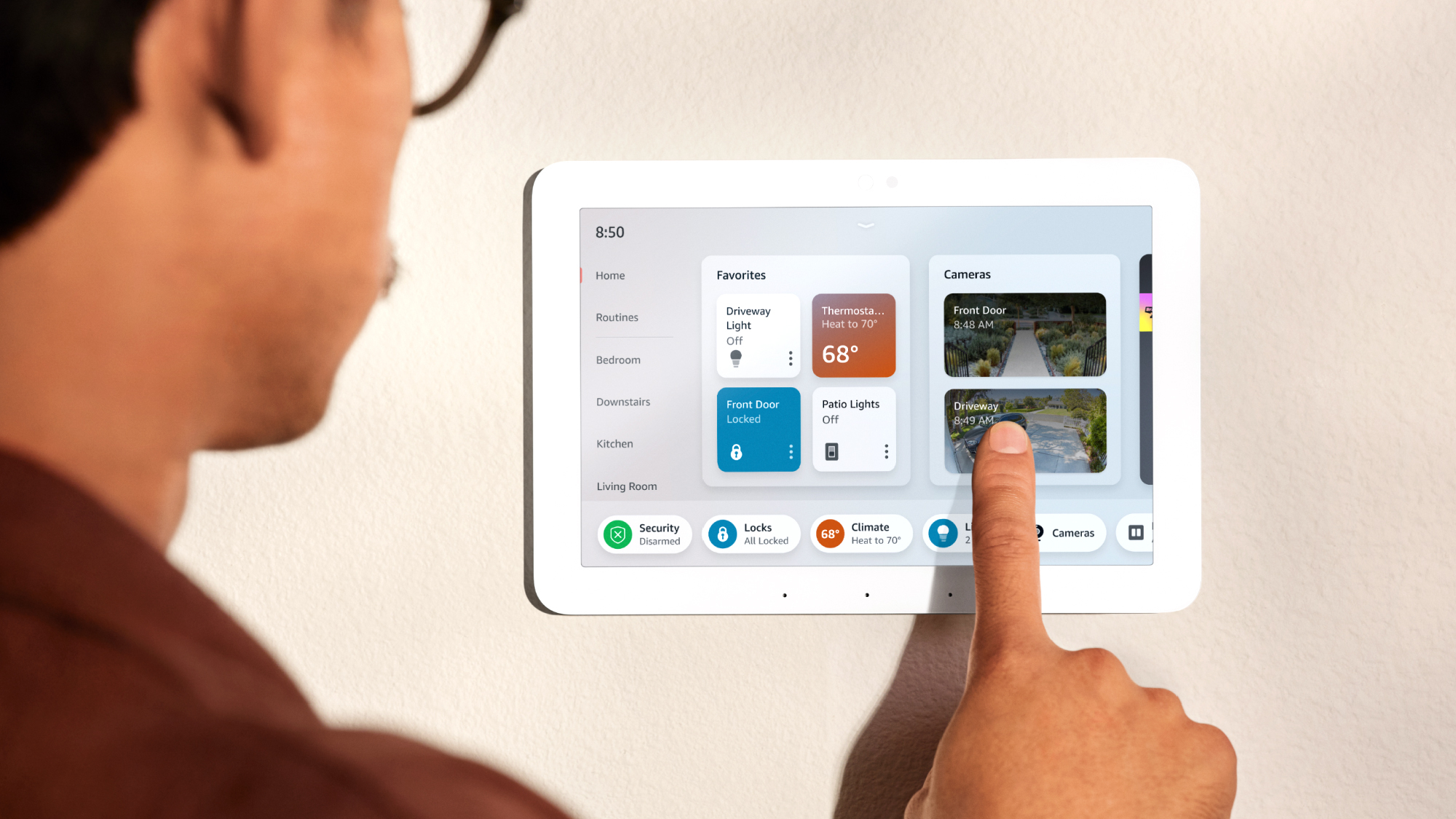
Best Home Automation System Complete Guide, Benefits, and Real-World Use Cases in 2025
Home automation has transformed from a futuristic concept into a practical reality for millions of homeowners. At its core, a home automation system is a centralized platform that integrates smart devices and appliances, allowing them to work together seamlessly. This system connects everything from lights and thermostats to locks, cameras, and entertainment devices, creating a connected ecosystem that is more convenient, secure, and efficient.
The best home automation system goes beyond just remote control. It allows homeowners to set up intelligent routines, automate everyday tasks, and create environments tailored to their needs. In 2025, the focus is not only on convenience but also on energy efficiency, security, and enhancing overall lifestyle quality. Choosing the right home automation system depends on compatibility, flexibility, and long-term support.
How a Home Automation System Works
A home automation system serves as the central brain of a smart home. It connects to devices through different communication protocols such as Wi-Fi, Zigbee, and Z-Wave. Once integrated, all devices can be controlled through a single application or voice assistant. This integration eliminates the need for multiple apps and creates a streamlined user experience.
For example, a motion sensor connected to the system can trigger lights, cameras, or alarms. Similarly, a thermostat can automatically adjust based on occupancy detected by other sensors. These automations save time, enhance safety, and contribute to energy savings.
Modern systems also support voice integration through Amazon Alexa, Google Assistant, or Apple Siri. This means you can adjust the lights, play music, or lock the doors simply by giving a voice command, making interactions effortless.
Key Features of the Best Home Automation System
When identifying the best home automation system, several essential features set it apart:
-
Cross-platform compatibility: Ability to connect with devices from multiple manufacturers.
-
Centralized control: Manage all devices through a single app.
-
Advanced automation routines: Create custom rules for security, lighting, energy, and entertainment.
-
Voice assistant integration: Works with Alexa, Google Assistant, or Siri.
-
Remote monitoring: Check and control your home from anywhere.
-
Scalability: Expand the system with additional devices as needed.
These features ensure that the automation system not only enhances comfort but also provides a long-term foundation for building a smart home.
Real-World Examples of Top Home Automation Systems
1. Samsung SmartThings Hub
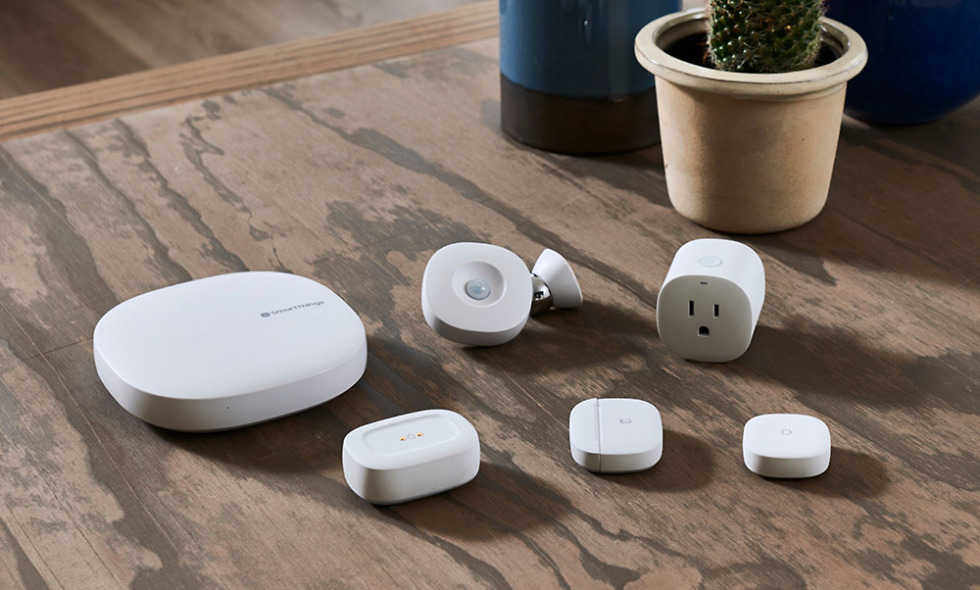
Samsung’s SmartThings Hub is one of the most versatile home automation systems available today. It supports Zigbee, Z-Wave, and Wi-Fi devices, giving it broad compatibility with a wide range of brands. Through the SmartThings app, homeowners can set routines such as “Good Morning” or “Good Night” to automate lighting, security, and climate control simultaneously.
What makes SmartThings stand out is its ability to integrate with hundreds of third-party devices, making it flexible for different home setups. It also works seamlessly with Amazon Alexa and Google Assistant, offering a hands-free experience. For those seeking a customizable and reliable hub, SmartThings remains a strong contender.
2. Amazon Alexa Smart Home System
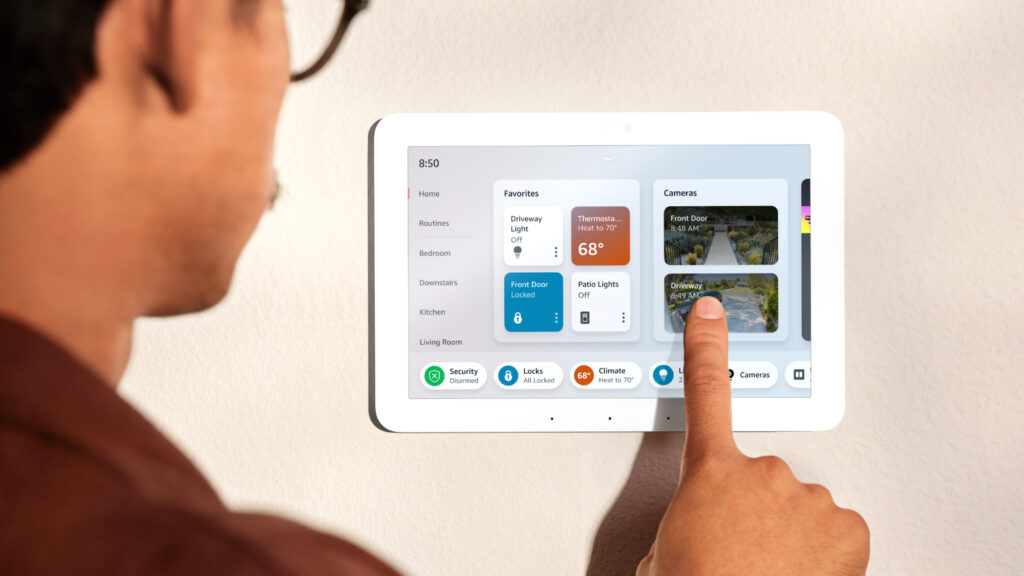
Amazon Alexa has grown from being just a voice assistant to becoming the centerpiece of many home automation systems. With Echo devices acting as hubs, Alexa can control smart lights, thermostats, cameras, and appliances. Its “Routines” feature allows users to set automated actions triggered by voice commands, time schedules, or device activity.
One of Alexa’s strongest advantages is its vast ecosystem. Many device manufacturers design their products to be “Works with Alexa” compatible, ensuring easy integration. For example, you can create a routine where saying “Alexa, goodnight” will lock the doors, turn off lights, and adjust the thermostat. This combination of voice control and automation makes Alexa an excellent option for households prioritizing convenience.
3. Google Home and Nest Hub
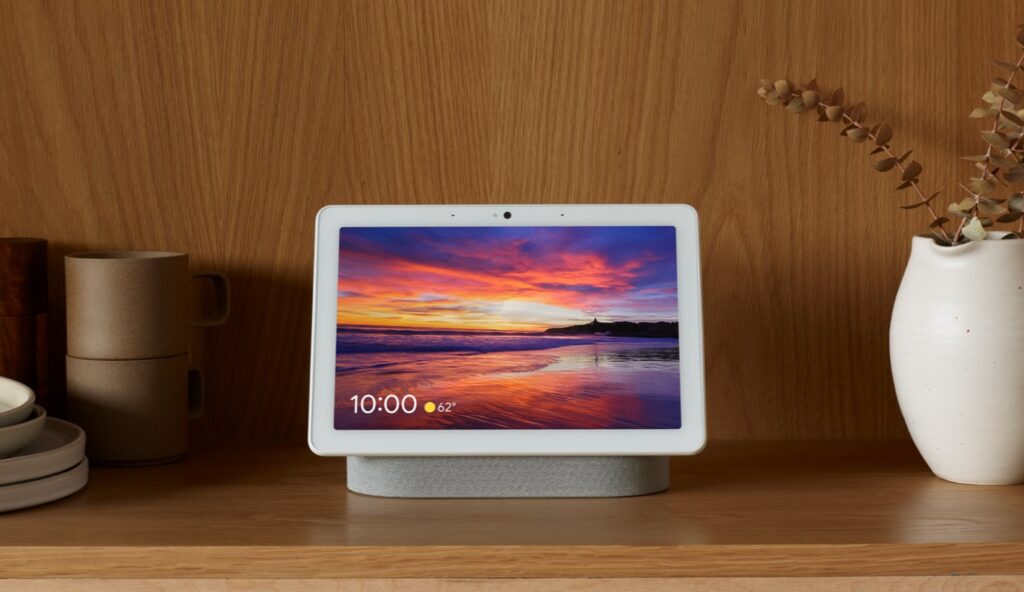
Google’s Home and Nest Hub ecosystem is another powerful option for home automation. It provides seamless integration with Google Assistant, allowing natural voice control over devices. Paired with Google Nest products such as cameras, doorbells, and thermostats, it delivers a unified experience.
The standout feature of Google Home is its ability to use Google’s AI for smart routines. For example, Nest Thermostat learns user preferences and adjusts temperatures automatically to save energy. Nest Hub devices can also display live feeds from cameras, making it convenient for monitoring security at a glance.
4. Apple HomeKit
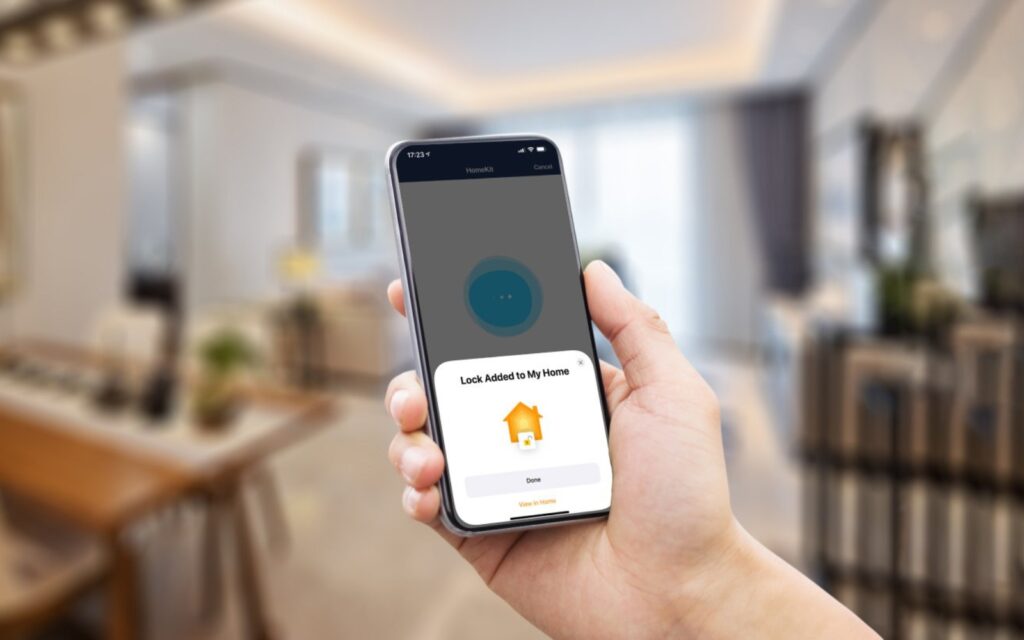
Apple HomeKit appeals to users who value privacy and seamless integration within the Apple ecosystem. Controlled through the Home app on iOS devices, HomeKit connects with a wide variety of compatible products, including lights, locks, thermostats, and cameras.
One key advantage of HomeKit is its emphasis on data security. It uses end-to-end encryption to protect user information. HomeKit also integrates with Siri, enabling voice control for all connected devices. For example, a simple “Hey Siri, I’m home” can trigger lights, unlock the door, and adjust the thermostat simultaneously.
5. Control4 Home Automation
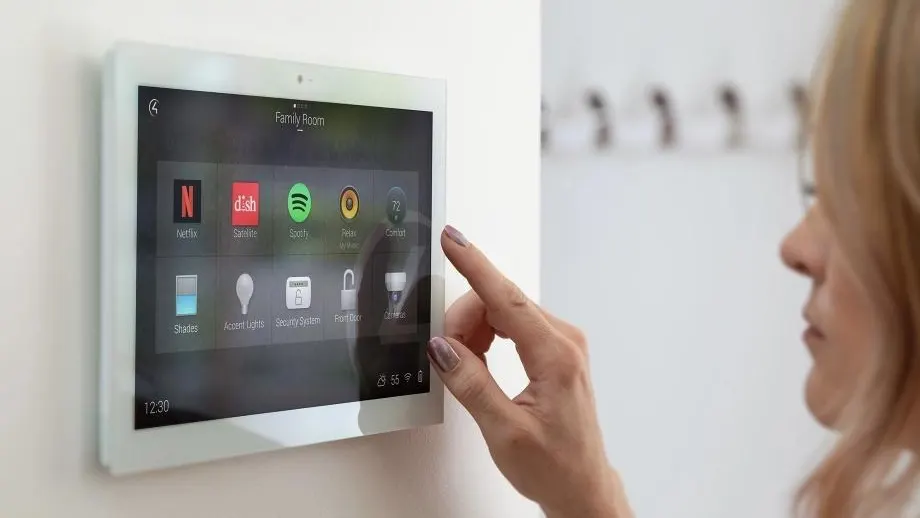
Control4 represents a premium home automation system designed for whole-home integration. Unlike DIY systems, Control4 often requires professional installation and customization. It supports advanced features such as centralized AV control, security, lighting, and climate management.
Control4 is ideal for larger homes or users seeking a luxury automation experience. It allows for complex automations, such as integrating motorized shades with lighting and HVAC systems. Though more costly, its sophistication and reliability make it one of the best home automation systems available for high-end installations.
Benefits of Using the Best Home Automation System
Convenience in Daily Life
A home automation system eliminates repetitive tasks, making daily life smoother. From adjusting lights with a voice command to automating coffee machines in the morning, convenience becomes a natural part of living.
Enhanced Home Security
Automation systems integrate with cameras, locks, and sensors to create a comprehensive security network. Homeowners receive instant notifications of unusual activities, ensuring peace of mind whether they are at home or away.
Energy Efficiency and Savings
Smart thermostats, lighting, and appliances can reduce energy consumption significantly. Automating systems to turn off when not in use prevents waste and lowers utility bills.
Accessibility for All
Automation provides solutions for elderly individuals or people with disabilities. Voice commands and automated routines reduce the need for manual adjustments, making homes more accessible.
Increased Property Value
As demand for smart homes grows, properties equipped with advanced automation systems often stand out in the real estate market. A connected home appeals to modern buyers, enhancing resale value.
Practical Use Cases of Home Automation Systems
Morning Routines
Imagine waking up to a home that automatically adjusts to your lifestyle. Lights brighten gradually, the thermostat sets the perfect temperature, and your favorite playlist starts—all triggered by an automation system.
Strengthening Nighttime Security
At bedtime, a single command can lock doors, activate security cameras, and switch on outdoor lights. This routine enhances safety without the need for manual checks.
Saving Energy While Away
Homeowners can program their systems to reduce energy consumption when they leave the house. Lights turn off, thermostats switch to eco-mode, and appliances power down automatically.
Entertainment Experiences
For movie nights, automation can dim lights, close smart blinds, and activate the home theater system in one seamless action. This creates an immersive entertainment experience without manual setup.
Elderly Assistance
Automation systems can assist older adults by providing reminders, automatically turning on lights for mobility, and alerting caregivers in case of emergencies. This makes independent living safer and more comfortable.
Frequently Asked Questions
Q1. What is the best home automation system in 2025?
The best system depends on your needs. Samsung SmartThings offers broad compatibility, Amazon Alexa and Google Home provide powerful voice integration, Apple HomeKit ensures privacy, and Control4 is ideal for luxury setups.
Q2. Do I need professional installation for a home automation system?
Not always. Many systems like SmartThings, Alexa, and Google Home are DIY-friendly, while premium options like Control4 often require professional setup for advanced customization.
Q3. Can different brands of smart devices work together in one system?
Yes. The best home automation systems support multiple communication protocols, allowing devices from different manufacturers to integrate seamlessly. Compatibility is key when choosing your system.