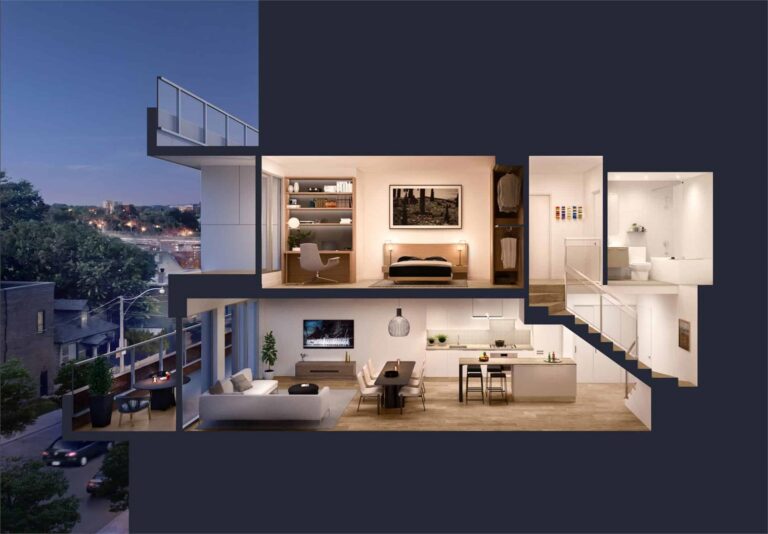
Best Smart Home Neighborhoods in 2025 The Future of Connected Living
Smart home neighborhoods are not just individual houses with modern technology; they represent entire communities designed to integrate intelligent systems across daily living. These neighborhoods are built with the concept of combining advanced smart home devices, sustainable infrastructure, and connected community services to create safer, more efficient, and eco-friendly lifestyles.
Unlike traditional housing projects, smart home neighborhoods use centralized networks that connect energy systems, water usage, security, and even traffic management. The goal is to provide residents with a living experience that is seamless, technologically advanced, and environmentally conscious. As urban populations grow, these neighborhoods are becoming the blueprint for the cities of the future.
Why Smart Home Neighborhoods Are Growing in Popularity
The increasing demand for smart home neighborhoods stems from multiple factors. First, technology adoption has accelerated due to the widespread availability of IoT devices and AI-powered systems. Homebuyers now expect built-in automation features like smart lighting, voice-controlled appliances, and energy-efficient climate systems.
Second, the focus on sustainability has pushed developers to design energy-efficient neighborhoods with solar integration, electric vehicle charging stations, and community-managed smart grids. This trend not only reduces utility costs but also contributes to global climate goals. The blend of convenience, sustainability, and safety has made these communities highly desirable.
Core Features of the Best Smart Home Neighborhoods
Smart neighborhoods typically include more than just connected homes. They integrate technology into the broader community environment. Key features often include:
-
Centralized energy management systems for optimized power consumption.
-
Smart security features such as neighborhood-wide surveillance and AI monitoring.
-
Automated waste management and water conservation systems.
-
Shared amenities enhanced with IoT, such as community gyms or co-working spaces.
By combining these features, neighborhoods transform into ecosystems where technology enhances every aspect of life, from safety to entertainment.
Real-World Examples of Smart Home Neighborhoods
1. Lake Nona, Florida – The “City of the Future”

Lake Nona in Orlando, Florida, is one of the most recognized smart communities in the U.S. This neighborhood integrates medical technology, autonomous vehicles, and smart infrastructure into daily living. Residents benefit from high-speed internet throughout the community, wellness-focused amenities, and sustainable design. Lake Nona is often cited as a leading example of how technology and health can intersect in residential planning.
What makes Lake Nona unique is its commitment to building a community ecosystem. Healthcare innovations, smart transportation, and AI-driven data systems are woven into the neighborhood’s infrastructure. This makes it more than just a place to live-it’s a hub for innovation and wellness.
2. Union Point, Massachusetts – A Smart Urban Development
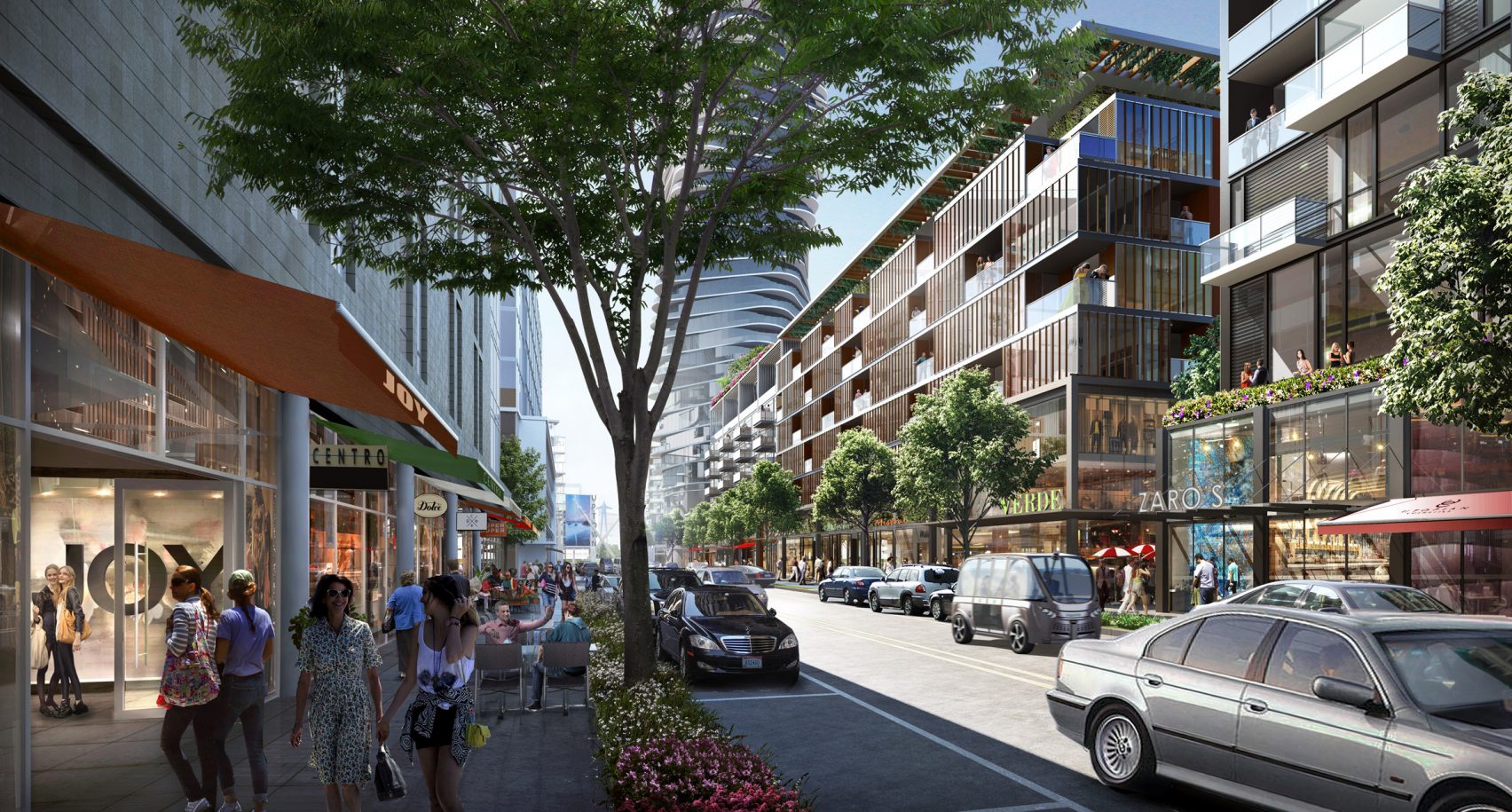
Union Point near Boston is another prominent example of a smart home neighborhood. The development integrates renewable energy systems, digital traffic management, and connected homes. The entire neighborhood operates with the concept of sustainability at its core, making it a testbed for future smart cities.
Residents enjoy automated services ranging from real-time traffic monitoring to energy-efficient building systems. Union Point demonstrates how smart technologies can be scaled across an entire community, not just inside homes.
3. Songdo, South Korea – A Global Smart City Model

Songdo International Business District is often called one of the world’s first true smart cities. Built from scratch with smart infrastructure, Songdo integrates home automation, waste collection systems, energy-efficient buildings, and smart traffic management.
Though larger than a typical neighborhood, Songdo represents what the future of connected communities can look like on a global scale. Every resident benefits from automated waste disposal, sensor-based traffic flow, and an advanced energy management grid. It’s a living example of how smart neighborhoods can evolve into fully functional smart cities.
4. Sterling Ranch, Colorado – Tech-First Suburban Living
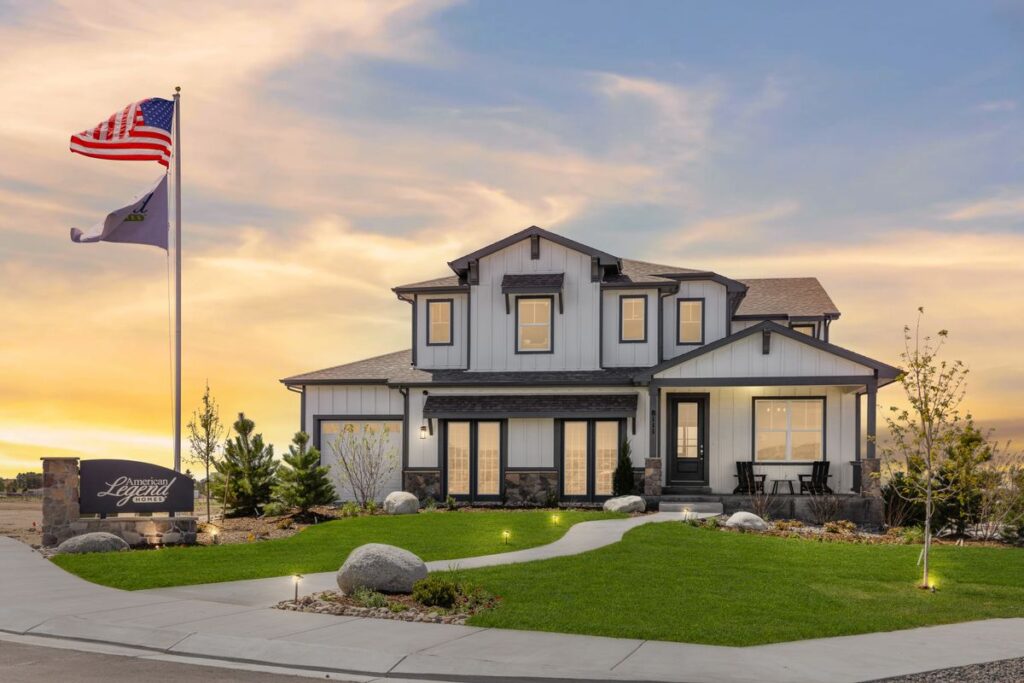
Sterling Ranch is a U.S. community where every home comes preloaded with a suite of smart home technologies. From lighting and thermostats to security and voice assistants, technology is embedded in the foundation of the neighborhood.
What sets Sterling Ranch apart is its focus on environmental sustainability. The community integrates water conservation systems, renewable energy sources, and data-driven resource management. This ensures that residents not only enjoy convenience but also contribute to a greener planet.
Benefits of Living in Smart Home Neighborhoods
Smart home neighborhoods offer a wide range of benefits that extend beyond individual convenience.
-
Enhanced Security: Neighborhood-wide surveillance, AI threat detection, and smart locks ensure that residents feel safe.
-
Energy Efficiency: Shared renewable energy sources and intelligent grids reduce costs while minimizing carbon footprints.
-
Community Engagement: Shared digital platforms allow residents to connect, access services, and manage community events.
-
Health and Wellness: Many smart neighborhoods integrate health services, air quality monitoring, and wellness-focused amenities.
These benefits demonstrate how smart neighborhoods are more than just homes—they are lifestyle environments designed for modern living.
Practical Use Cases of Smart Home Neighborhoods
Solving Energy Inefficiency
In traditional neighborhoods, energy is consumed without much coordination. Smart neighborhoods solve this by using interconnected smart grids that balance power usage. For example, solar energy can be shared across homes, and peak demand can be managed intelligently to avoid blackouts.
Enhancing Safety
Neighborhood-wide surveillance and AI monitoring help detect unusual activities. This means potential threats can be addressed before they escalate, making communities safer for families and children.
Supporting Remote Work and Digital Living
With integrated high-speed internet and smart community workspaces, residents can seamlessly work from home or shared spaces. This is particularly useful in a post-pandemic world where flexible work arrangements have become common.
Encouraging Sustainability
Smart waste management and water conservation systems ensure resources are used efficiently. For example, Sterling Ranch’s water monitoring systems prevent waste by automatically controlling irrigation systems based on weather data.
The Future of Smart Neighborhoods
The best smart home neighborhoods in 2025 are only the beginning of a much larger trend. As more cities invest in infrastructure, we will see hybrid neighborhoods that blend smart technology with green living principles. Future innovations may include AI-powered governance systems for communities, integration with autonomous transportation networks, and even neighborhood-based renewable energy trading.
Frequently Asked Questions
Q1. What defines a smart home neighborhood?
A smart home neighborhood is a community where technology is embedded not only in individual houses but also across shared infrastructure. This includes energy systems, security, transportation, and waste management, all managed through smart devices and networks.
Q2. Are smart home neighborhoods more expensive to live in?
While initial property costs may be higher due to advanced technologies, residents often save money long-term through reduced energy bills, efficient utilities, and sustainable living features.
Q3. How do smart home neighborhoods benefit the environment?
Smart neighborhoods reduce environmental impact by integrating renewable energy, optimizing resource consumption, and promoting sustainable urban planning. Automated systems ensure minimal waste and better conservation practices.