Futuristic Houses Innovations, Smart Living, and the Future of Home Design
Futuristic houses are more than just bold architecture; they represent a fusion of technology, sustainability, and lifestyle innovation. These homes are designed not only to look striking but also to function as intelligent ecosystems where efficiency, automation, and eco-friendliness dominate. They are the result of advancements in materials science, renewable energy, artificial intelligence, and design concepts that adapt to modern human needs.
The concept of futuristic houses has grown from an architectural trend into a global movement, reflecting how future generations will interact with their living spaces. With climate change, urbanization, and the demand for smarter homes rising, futuristic houses provide an ideal solution to ensure that homes are as adaptable as the people living in them.
Key Features That Define Futuristic Houses
Futuristic homes are not defined by one element but rather by a collection of features that make them distinct. Some of the most prominent elements include energy-efficient systems, integrated smart home automation, and sustainable building practices. Advanced materials, such as self-healing concrete or transparent solar panels, are being used to make structures both durable and environmentally friendly.
Additionally, futuristic houses prioritize adaptability. Homes are now designed to evolve alongside technology and lifestyles. Modular designs, movable walls, and flexible spaces enable owners to customize living environments easily. Together, these features create homes that are not only visually appealing but also sustainable and efficient.
Real-World Examples of Futuristic Houses
1. The Edge, Amsterdam
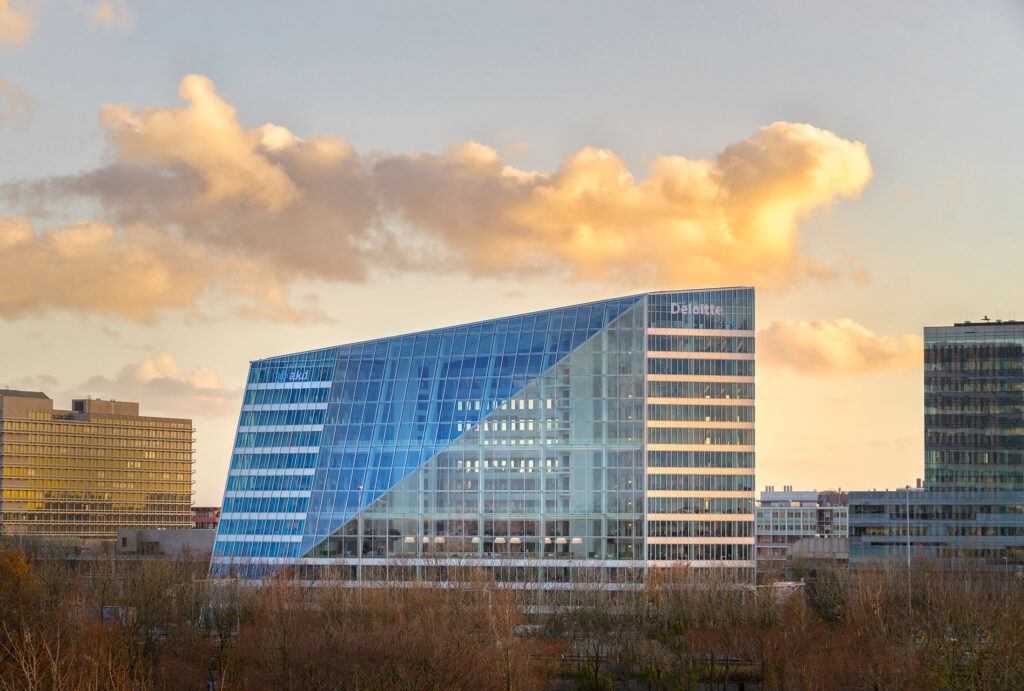
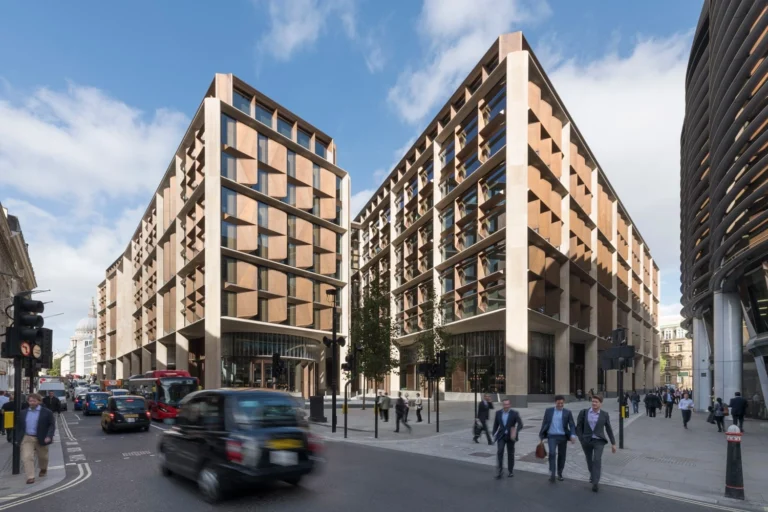
Located in the Netherlands, The Edge is recognized as one of the most sustainable and technologically advanced office-to-home developments in the world. While not purely residential, it sets the standard for futuristic housing with its intelligent use of sensors, solar panels, and energy-neutral design. Residents and users can interact seamlessly with automated systems that optimize energy use, lighting, and climate control.
This project demonstrates how futuristic houses can merge environmental consciousness with cutting-edge technology, creating a living space that is efficient and appealing.
2. Koda House by Kodasema
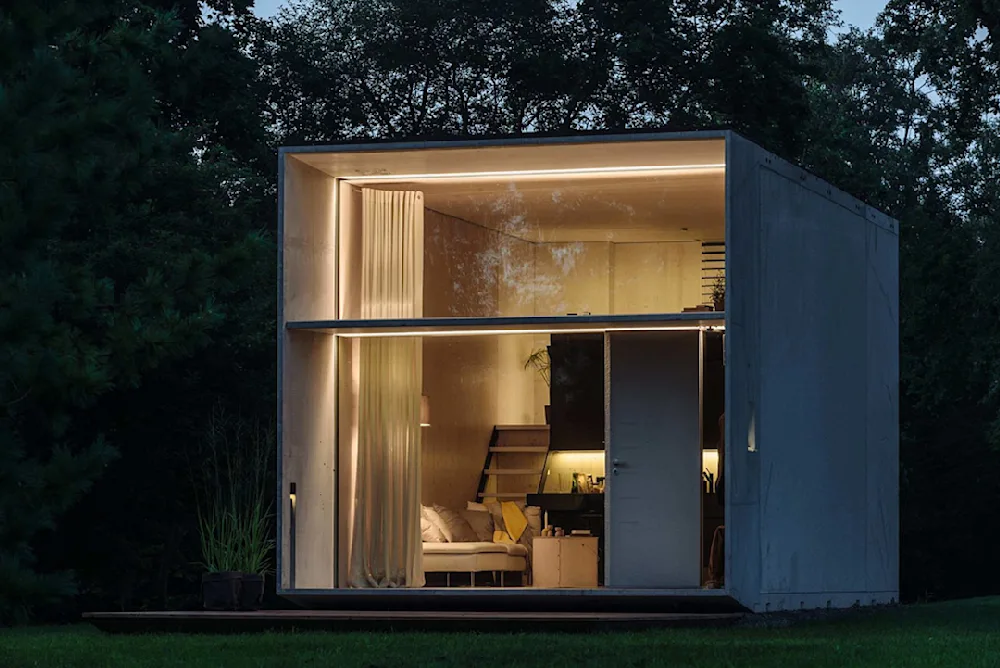
The Koda House is a modular micro-home developed by the Estonian firm Kodasema. Compact yet futuristic, it features a minimalistic design, advanced insulation, and solar energy integration. These homes can be placed almost anywhere, making them flexible and adaptable to different lifestyles.
Its design reflects the futuristic concept of mobility in housing, where homes are not permanently fixed to a single location but can move with the owner’s changing life circumstances.
3. Casa Brutale, Greece
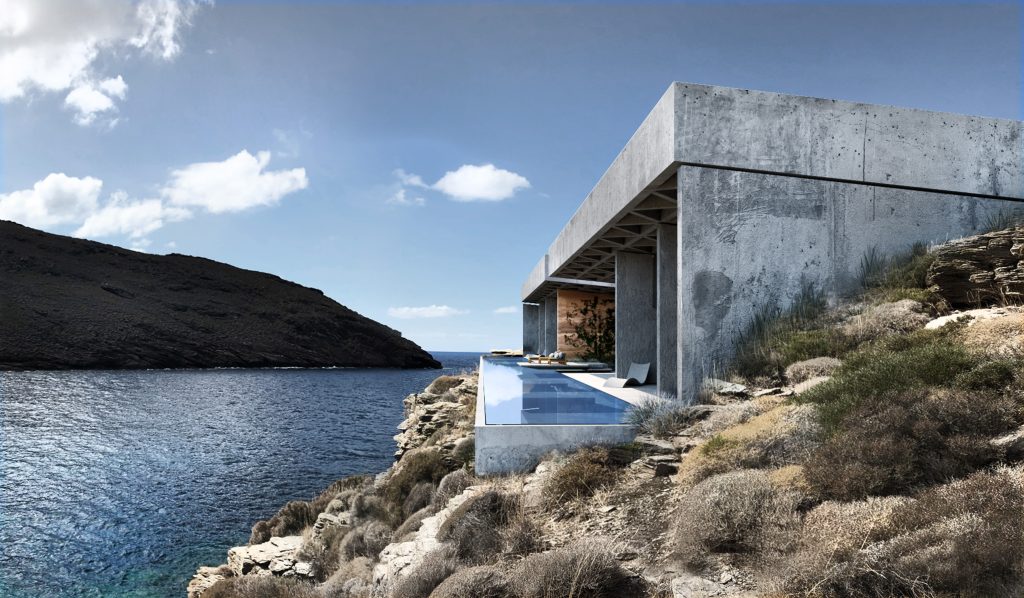
Casa Brutale is an architectural marvel built into a cliffside overlooking the Aegean Sea. With glass facades and a rooftop pool that doubles as a skylight, this design merges nature and architecture in a futuristic way. The integration of natural elements minimizes the environmental footprint while maximizing aesthetics and functionality.
This house exemplifies how futuristic architecture is about blending advanced design with harmony in nature, making it both sustainable and stunning.
4. The Jetsons-Inspired 3D Printed Homes
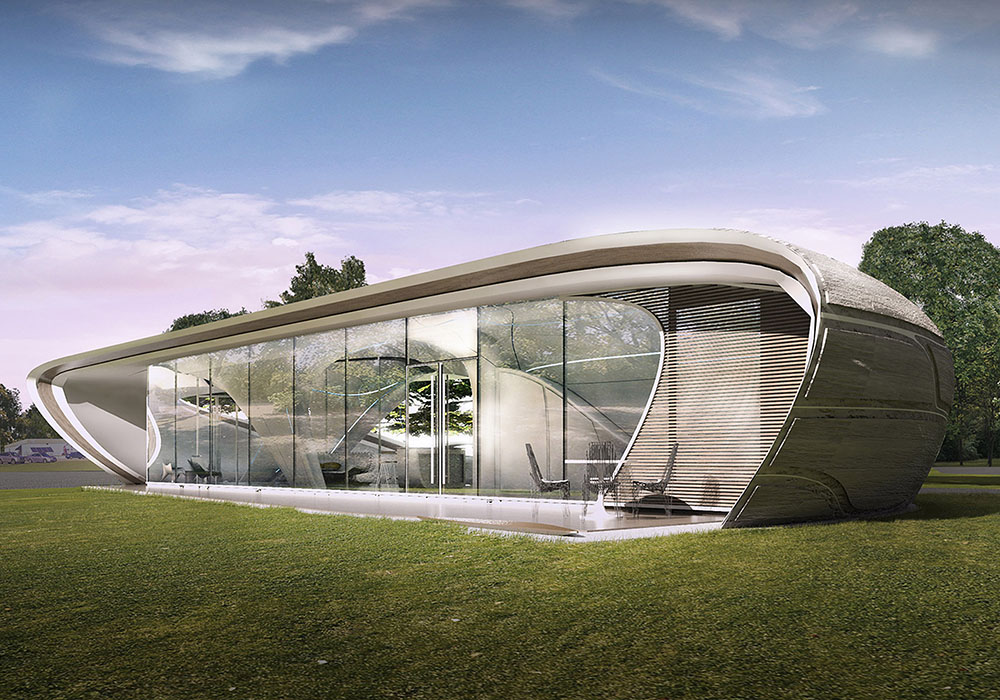
With 3D printing becoming a cornerstone of futuristic housing, several companies have already developed full-scale 3D-printed homes. These homes are built quickly, cost less than traditional houses, and use sustainable materials like recycled concrete. The futuristic aspect lies in their affordability, adaptability, and the ability to be customized easily through digital design.
These homes highlight how futuristic houses are not just for the elite but can potentially address global housing shortages in sustainable and efficient ways.
Benefits of Futuristic Houses with Technology Integration
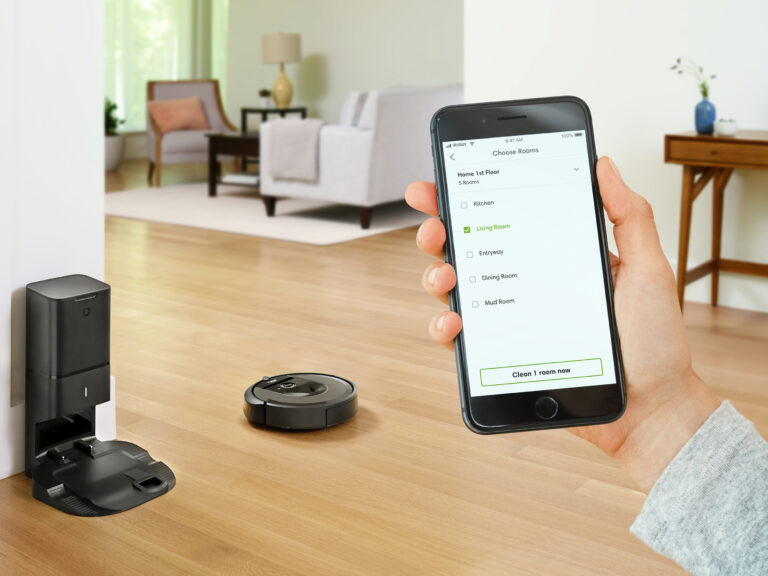
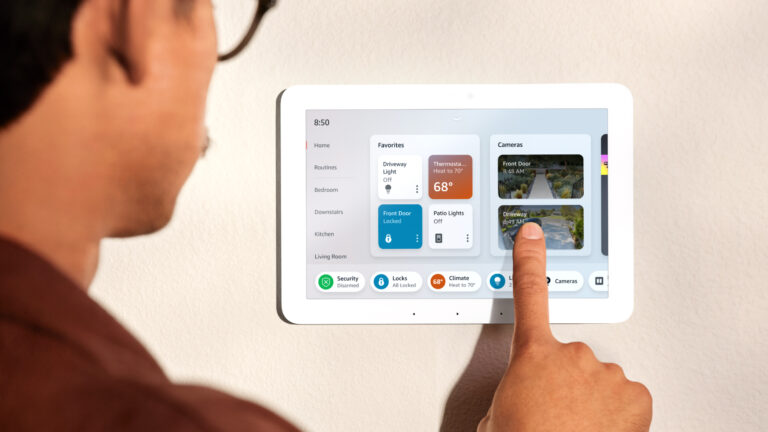
One of the main advantages of futuristic houses lies in their use of smart home technology. These homes often come with voice-controlled systems, AI-driven energy management, and IoT-enabled appliances. This allows residents to enjoy convenience while saving on costs by optimizing energy consumption.
Another significant benefit is sustainability. Many futuristic homes are designed to be carbon-neutral or even carbon-positive, producing more energy than they consume. By integrating renewable energy sources like solar, wind, or geothermal, futuristic houses reduce dependence on non-renewable resources and create a healthier environment for occupants.
Additionally, futuristic houses are designed with wellness in mind. From air purification systems to circadian rhythm lighting, they support healthier living conditions. These benefits extend beyond aesthetics and show how futuristic homes can improve the quality of life.
Use Cases of Futuristic Houses in Real Life
Solving Energy Inefficiency
Futuristic houses address the global issue of energy waste by incorporating smart meters, AI-driven climate control, and renewable energy systems. These technologies ensure that homes use only the energy needed, significantly reducing costs and carbon footprints.
Supporting Urban Growth
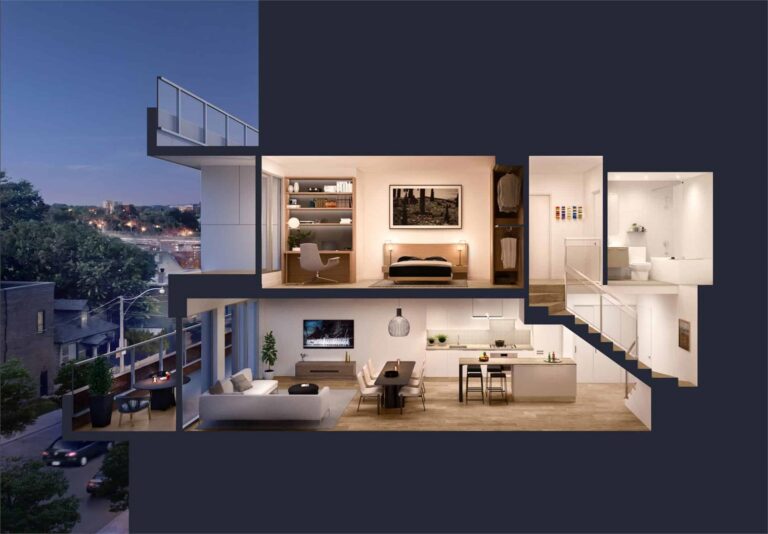
With cities becoming more congested, futuristic houses use vertical and modular designs to optimize limited land. Micro-homes, stacked housing, and adaptable layouts help solve the challenge of limited urban space while maintaining comfort and functionality.
Disaster-Resistant Living
Futuristic houses are also being designed to withstand natural disasters. With climate change leading to more extreme weather, these homes use advanced materials like hurricane-proof glass, flexible foundations, and automated safety systems to provide greater resilience.
Promoting Remote Work and Digital Lifestyles
In the age of digital work, futuristic homes are tailored for productivity. Integrated work pods, high-speed connectivity, and adaptive soundproofing help individuals balance work and personal life seamlessly. This is particularly relevant as more people shift toward hybrid or remote working arrangements.
The Future of Futuristic Houses
The future of futuristic housing looks promising, as ongoing innovations in artificial intelligence, biotechnology, and sustainable energy continue to transform residential architecture.
These communities will feature shared energy grids, autonomous transportation, and sustainable food production systems. Futuristic houses will therefore become integral parts of a broader smart city network, further improving urban life while reducing environmental impact.
Frequently Asked Questions
Q1. What makes a house futuristic?
A futuristic house combines innovative architecture, smart technology, and eco-friendly materials. It is designed to adapt to modern lifestyles while promoting sustainability and efficiency.
Q2. Are futuristic houses affordable for everyone?
While many futuristic homes are high-end projects, technologies like 3D printing and modular construction are making them more affordable. Over time, these methods may make futuristic homes accessible to a wider audience.
Q3. Do futuristic houses help the environment?
Yes, most futuristic houses are designed with sustainability in mind. They use renewable energy, eco-friendly materials, and systems that minimize waste, making them significantly better for the environment than traditional homes.