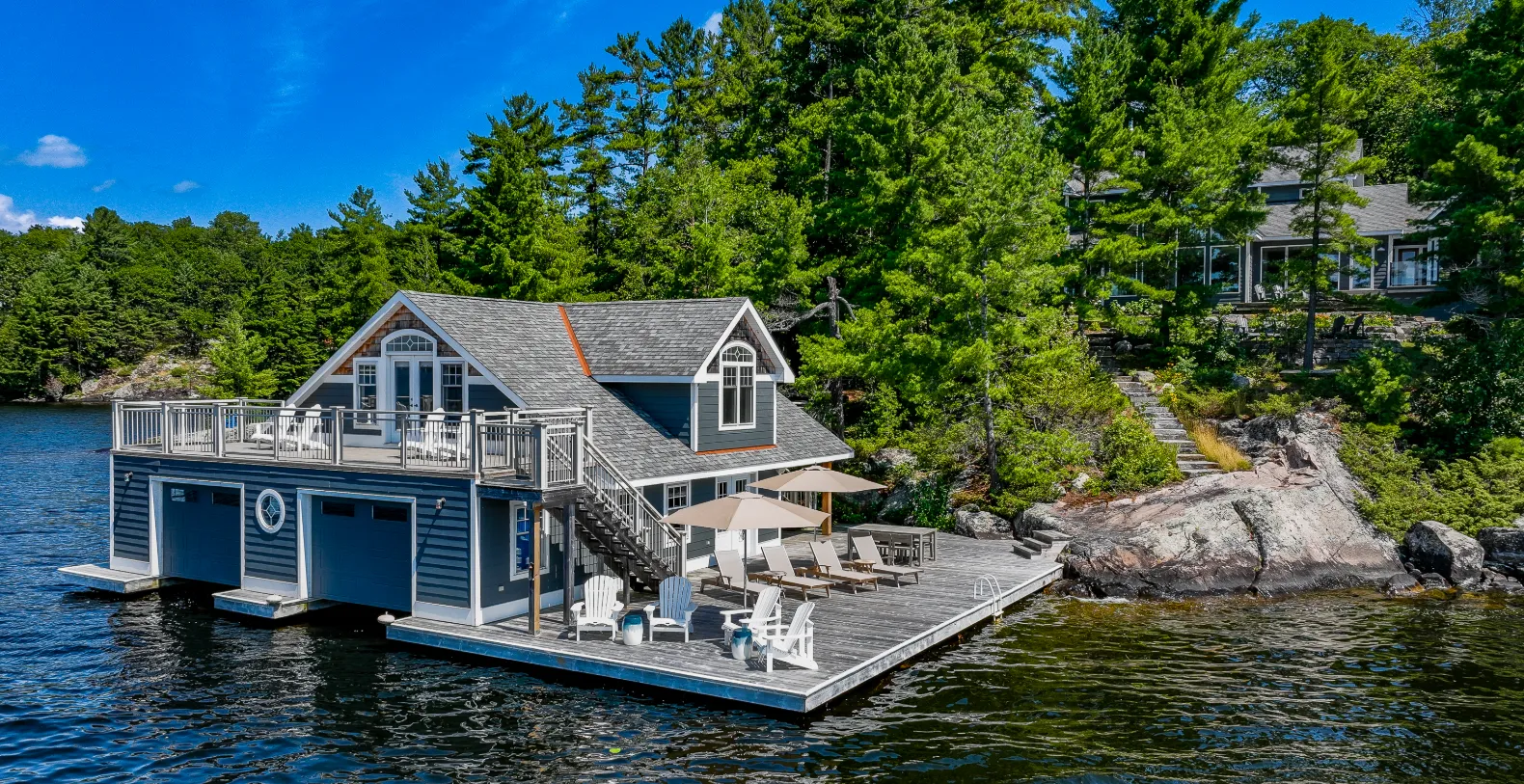
Complete Guide to Lakefront Cabins Lifestyle, Benefits, and Real-World Examples
Lakefront cabins have long captured the imagination of those seeking a peaceful escape into nature. Whether serving as vacation retreats, permanent residences, or investment properties, cabins by the lake combine rustic charm with modern comfort. This guide explores what makes lakefront cabins unique, their advantages, and real-world examples that highlight their lifestyle potential.
Understanding Lakefront Cabins
Lakefront cabins are residential properties located directly along the shoreline of lakes, designed to maximize views and provide easy access to the water. These cabins range from cozy wooden cottages to expansive modern homes, each crafted to complement the surrounding natural beauty.
The essence of a lakefront cabin lies in its connection to nature. The sound of rippling water, the fresh air, and the view of wooded landscapes create a tranquil atmosphere that appeals to individuals and families alike. While some cabins remain rustic with log-style designs, many incorporate modern technology and amenities to balance simplicity with convenience.
Benefits of Lakefront Cabin Living
Relaxation and Mental Well-being
The calming presence of water has been linked to improved mental health and stress reduction. Living or staying in a lakefront cabin allows residents to wake up to serene views and enjoy moments of reflection by the water’s edge. The slower pace of cabin life encourages mindfulness, relaxation, and overall well-being.
Spending time in natural settings also supports better sleep and reduced anxiety. For many, a lakefront cabin becomes more than a home-it transforms into a sanctuary where everyday worries are replaced with the soothing rhythm of nature.
Recreation and Outdoor Activities
Lakefront cabins provide direct access to a wide range of recreational activities. Residents can fish, kayak, canoe, or swim right from their own dock. In colder climates, cabins near lakes that freeze over can even serve as hubs for winter sports like ice skating or ice fishing.
The availability of year-round activities makes lakefront living ideal for families who value active lifestyles. Children grow up with opportunities for outdoor exploration, while adults can unwind with leisurely pursuits like boating or simply sitting by the shore.
Investment and Rental Opportunities
In addition to lifestyle benefits, lakefront cabins also hold significant investment potential. Properties located along popular lakes attract vacationers, making them suitable for seasonal rentals. Rental income during peak seasons can offset maintenance costs while offering long-term value appreciation.
Because lakefront land is limited, cabins in prime locations often retain or increase in value, ensuring a stable and rewarding investment.
Real-World Examples of Lakefront Cabins
1. Cozy Log Cabin in Lake Tahoe, California
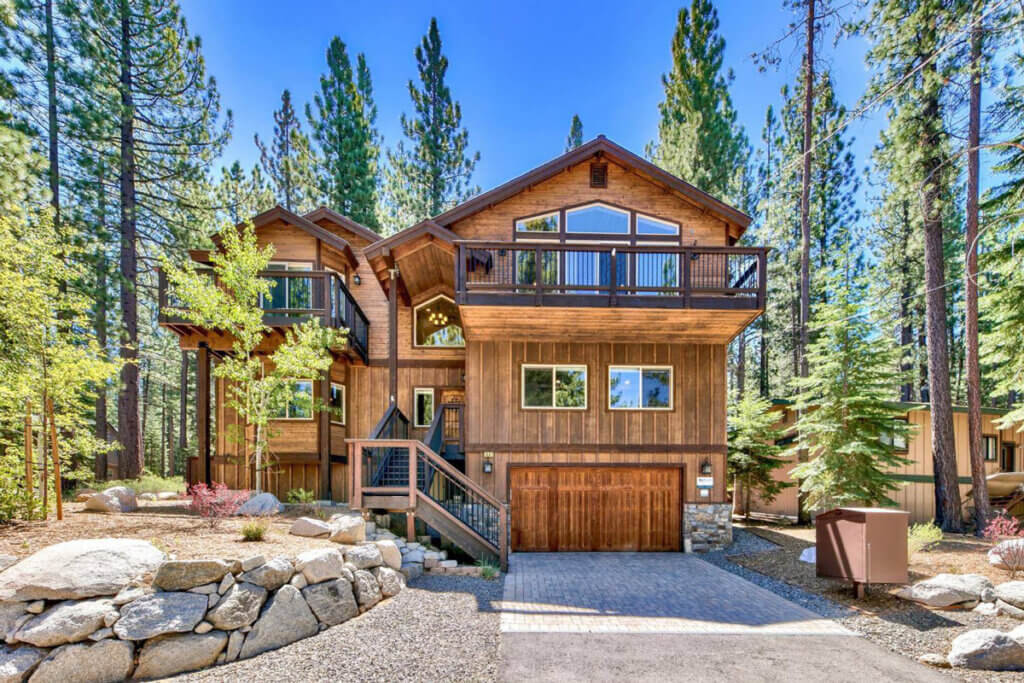
Lake Tahoe is known for its crystal-clear waters and stunning alpine backdrop. One example of a lakefront cabin here is a traditional log-style property built with rustic timbers and stone fireplaces. Despite its cozy design, the cabin includes modern amenities like smart thermostats, heated flooring, and high-speed internet for year-round comfort.
This cabin showcases how traditional rustic aesthetics can merge seamlessly with technology to provide both charm and convenience. Its location on Lake Tahoe makes it ideal for skiing in winter and boating in summer, exemplifying the versatility of lakefront living.
2. Modern Glass Cabin on Lake Muskoka, Canada
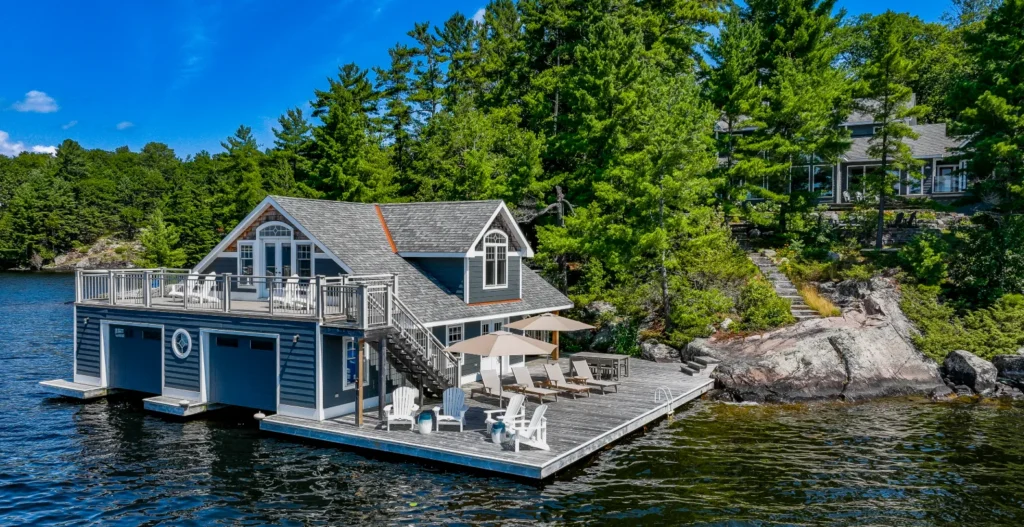
Lake Muskoka is one of Canada’s most prestigious lakefront destinations. A notable property here is a contemporary cabin featuring expansive glass walls that open up panoramic views of the lake. With minimalist interiors, sleek kitchens, and solar-powered energy systems, it represents the future of sustainable lakefront living.
This cabin is significant because it highlights how modern design principles can elevate the cabin experience. Rather than simply offering shelter, it acts as a statement of eco-conscious luxury, integrating technology while maintaining harmony with the natural environment.
3. Rustic Family Cabin in Minnesota’s North Woods
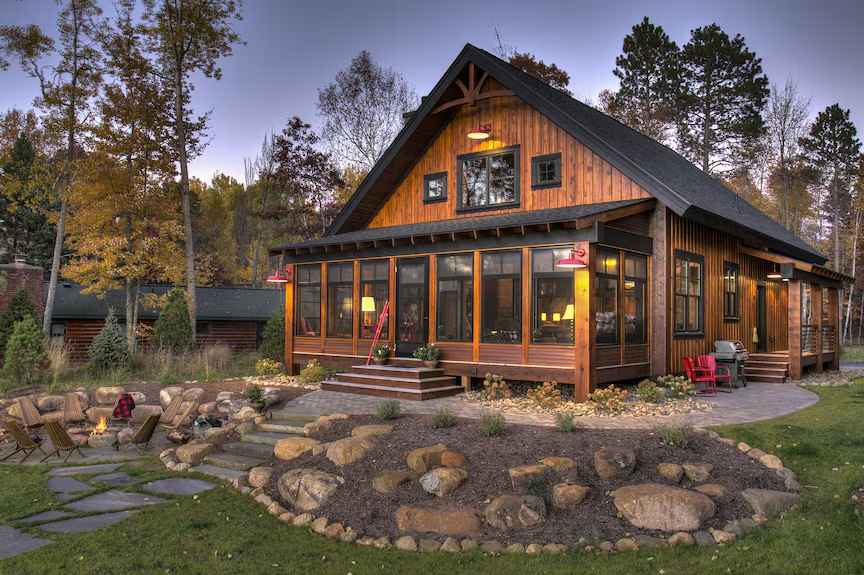
Minnesota, known as the “Land of 10,000 Lakes,” has countless examples of lakefront cabins. One family-oriented property stands out with its hand-built log structure, large deck overlooking the lake, and boathouse. It includes bunk rooms for children, a central hearth for gatherings, and easy water access for fishing and canoeing.
What makes this cabin special is its emphasis on family and community. Designed to host large groups, it captures the essence of cabin culture-a retreat where generations come together, strengthening bonds in the natural setting of the lake.
4. Contemporary Cabin in Norway’s Fjord-Like Lakes
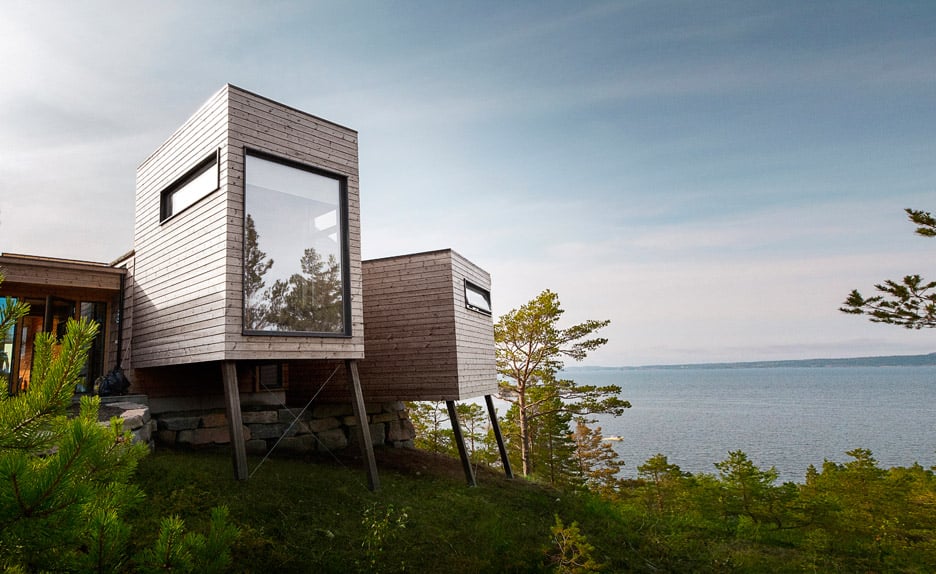
In Norway, cabins by fjord-like lakes blend Scandinavian minimalism with natural beauty. One such example is a sleek black-wood cabin perched on a hillside, featuring floor-to-ceiling windows, geothermal heating, and a rooftop deck for viewing the Northern Lights.
This property demonstrates the global reach of lakefront living, showing how the concept adapts to different climates and cultures. The integration of technology like geothermal systems makes it both sustainable and comfortable, regardless of harsh winters.
Practical Uses and Advantages of Lakefront Cabins
Ideal Vacation Retreats
Lakefront cabins excel as vacation getaways, offering peace far from city life. Families and individuals alike use them for weekend escapes or seasonal retreats. With water access and natural scenery, they provide opportunities for both adventure and quiet relaxation.
A cabin retreat allows people to reset, leaving behind the noise and demands of modern life. Unlike hotels or urban rentals, a lakefront cabin offers complete privacy and the feeling of owning a slice of nature.
Year-Round Living Potential
While often seen as vacation homes, many lakefront cabins are suitable for full-time living. With insulation, modern heating, and smart-home integrations, cabins today can accommodate long-term residency. Living year-round on a lake provides the unique advantage of seasonal variety, from summer swimming to winter ice skating.
The evolving design of cabins-blending rustic exteriors with modern technology-makes them practical for permanent lifestyles, not just seasonal enjoyment.
Low-Maintenance Lifestyle
Many lakefront cabins are designed for simple living. Unlike sprawling urban estates, cabins emphasize functionality, sustainability, and efficiency. Smaller footprints reduce upkeep, while eco-conscious features such as rainwater harvesting or solar panels lessen environmental impact and costs.
For those seeking to simplify their lives, a lakefront cabin encourages a slower pace and a deeper connection with the environment.
The Role of Technology in Modern Lakefront Cabins
Technology has redefined what it means to live in or own a lakefront cabin. Features like remote monitoring systems allow owners to check property conditions while away, an essential advantage for vacation homes. Smart thermostats and lighting systems help conserve energy, particularly in cabins located in off-grid or seasonal environments.
Security systems provide peace of mind, especially for remote cabins where neighbors may not be nearby. In addition, solar panels and geothermal heating systems are increasingly integrated, aligning lakefront living with sustainability. Technology enhances both convenience and resilience, ensuring that cabins remain comfortable and secure no matter the season.
Use Cases: Why Lakefront Cabins Are Valuable
Family Bonding
Lakefront cabins provide ideal environments for family bonding. Whether it’s teaching children to fish, gathering around a fire pit, or celebrating holidays by the water, cabins strengthen relationships through shared experiences in nature.
Creative Inspiration
For artists, writers, and musicians, lakefront cabins serve as creative havens. The quiet environment, scenic beauty, and slower pace can inspire new ideas and allow for deep focus away from urban distractions.
Wellness and Retreat Centers
Some lakefront cabins are adapted into wellness or retreat centers. The natural setting complements yoga, meditation, or therapeutic activities, creating spaces where people can heal, recharge, and reconnect with themselves.
Frequently Asked Questions (FAQs)
Q1. Are lakefront cabins only for seasonal use?
Not necessarily. While many cabins are used as vacation homes, modern insulation, heating systems, and technology make them suitable for year-round living in most climates.
Q2. Do lakefront cabins require special maintenance?
Yes, cabins near water often require upkeep to manage moisture, weather exposure, and dock structures. However, modern building materials and preventive care can minimize long-term issues.
Q3. What makes lakefront cabins different from other waterfront properties?
Lakefront cabins emphasize rustic charm, natural integration, and simplicity, while other waterfront properties-such as oceanfront mansions-focus on grandeur and scale. Cabins typically balance modest design with access to outdoor recreation.