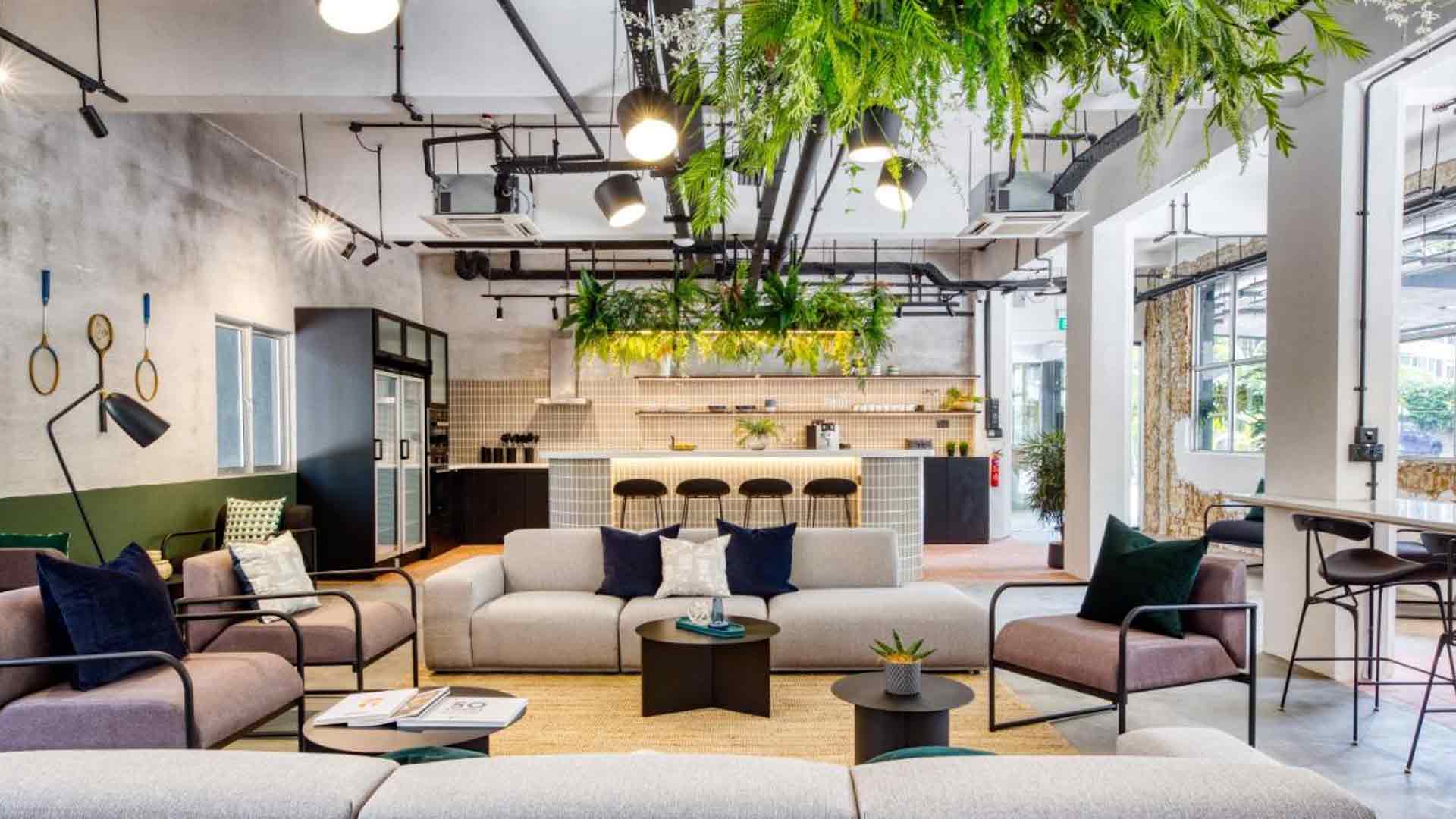
Modern Urban Housing Trends, Benefits, and Real-World Examples for Contemporary Living
Modern urban housing refers to contemporary residential developments designed to meet the lifestyle needs of city dwellers. Unlike traditional housing, these modern structures focus on space efficiency, sustainability, community integration, and the inclusion of smart technology. Urban populations are growing rapidly, and this surge creates both challenges and opportunities for housing solutions.
Cities face limited land availability, higher population density, and increased demand for convenience. Modern urban housing addresses these challenges by blending innovative architecture with advanced technology. From eco-friendly buildings to smart apartments, this housing trend represents more than just living spaces-it reflects how people adapt to changing urban environments.
The Evolution of Housing in Urban Centers
The concept of urban housing has shifted dramatically in the past few decades. Older city structures often emphasized durability and capacity, but they lacked efficiency and adaptability to modern needs. Today, design plays a vital role alongside sustainability and technology integration.
Developers are incorporating modular construction, vertical living solutions, and environmentally conscious building materials. Additionally, urban housing now often integrates mixed-use facilities such as retail spaces, co-working hubs, and shared amenities to promote community and convenience. These changes reflect a new era where housing serves as more than shelter-it becomes part of a lifestyle ecosystem.
Key Characteristics of Modern Urban Housing
Modern urban housing typically includes several defining characteristics. These features distinguish it from traditional urban residences and highlight its forward-looking nature.
First, space efficiency plays a critical role. Compact apartments and micro-units are designed with multipurpose furniture, flexible layouts, and creative storage solutions. Second, sustainability is deeply integrated, with developments using energy-efficient systems, renewable energy sources, and green certifications. Third, technology is a central element, as smart devices and automation enhance convenience and security. Finally, community-centered designs bring people together with shared amenities such as fitness centers, rooftop gardens, and collaborative lounges.
These attributes not only address city living challenges but also reflect a lifestyle shift among modern residents who value convenience, sustainability, and connectivity.
Benefits of Modern Urban Housing with Technology Integration
Technology has become one of the most influential factors in shaping modern housing solutions. From energy management to enhanced safety, the integration of smart technology transforms the living experience.
Smart home systems allow residents to control lighting, heating, and security through mobile devices or voice assistants. This not only provides convenience but also reduces energy waste and utility costs. Automated building systems, such as intelligent HVAC and renewable energy integration, ensure sustainable living. In addition, security technologies like smart locks and AI-powered surveillance enhance personal safety and peace of mind in urban environments.
The combination of these technologies creates an interconnected living space that adapts to individual needs while promoting eco-friendly urban lifestyles.
Real-World Examples of Modern Urban Housing
1. Smart Micro-Apartments
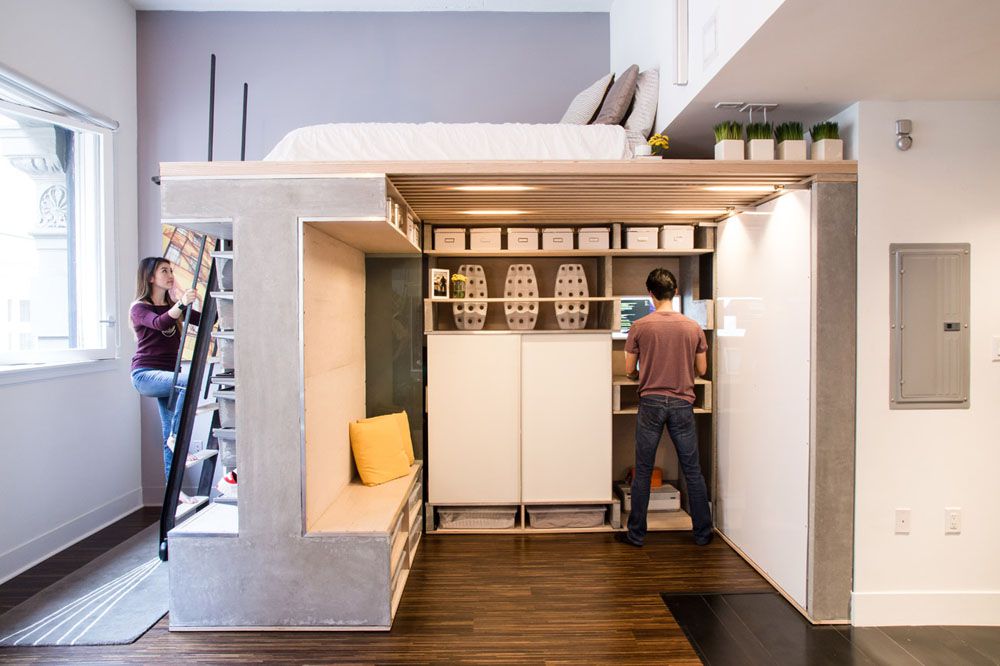
Smart micro-apartments have gained popularity in dense metropolitan areas such as New York and Tokyo. These compact living spaces often measure less than 300 square feet but incorporate cutting-edge design.
Each unit is equipped with foldable furniture, modular kitchens, and integrated smart systems that maximize usability while minimizing wasted space. Technology plays a vital role, allowing residents to automate daily functions like climate control or lighting. This model demonstrates how modern housing solutions address population growth and land scarcity without sacrificing comfort.
2. Eco-Friendly Urban Condos
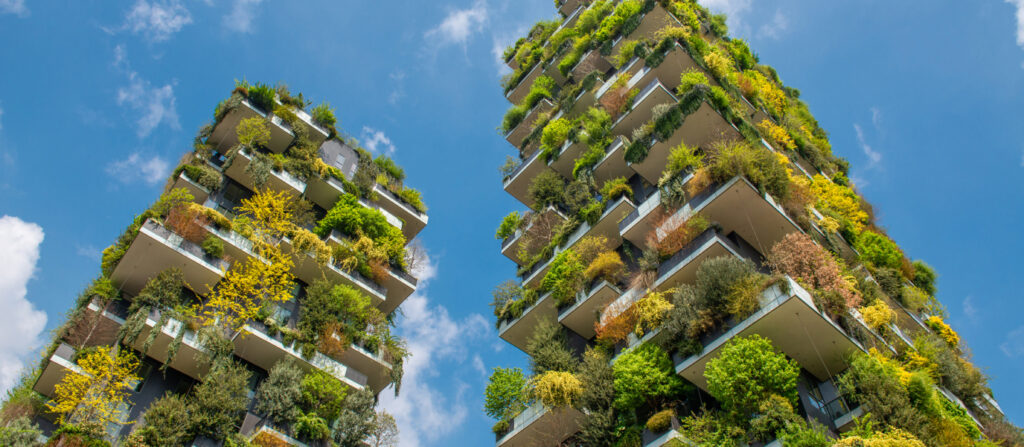
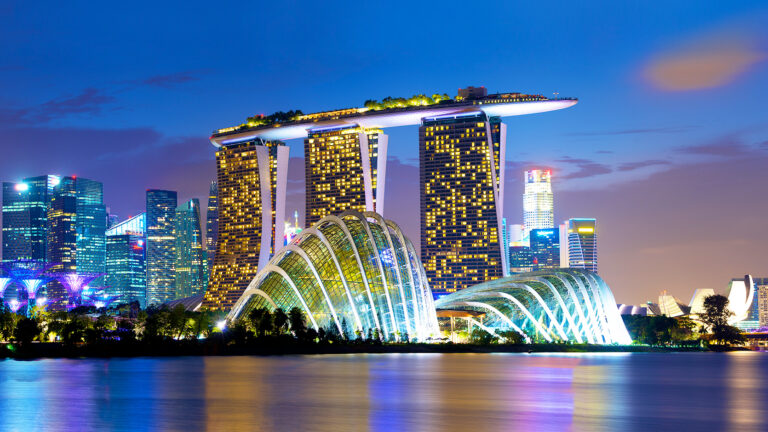
Eco-friendly condos are reshaping urban skylines in cities like Vancouver and Singapore. These buildings incorporate solar panels, rainwater harvesting, and green roofs. They also feature energy-efficient appliances and building materials that reduce carbon footprints.
Residents benefit not only from reduced living costs but also from healthier environments. Indoor air quality, natural lighting, and green communal spaces enhance well-being. This example highlights the growing importance of sustainability in modern housing.
3. Co-Living Spaces
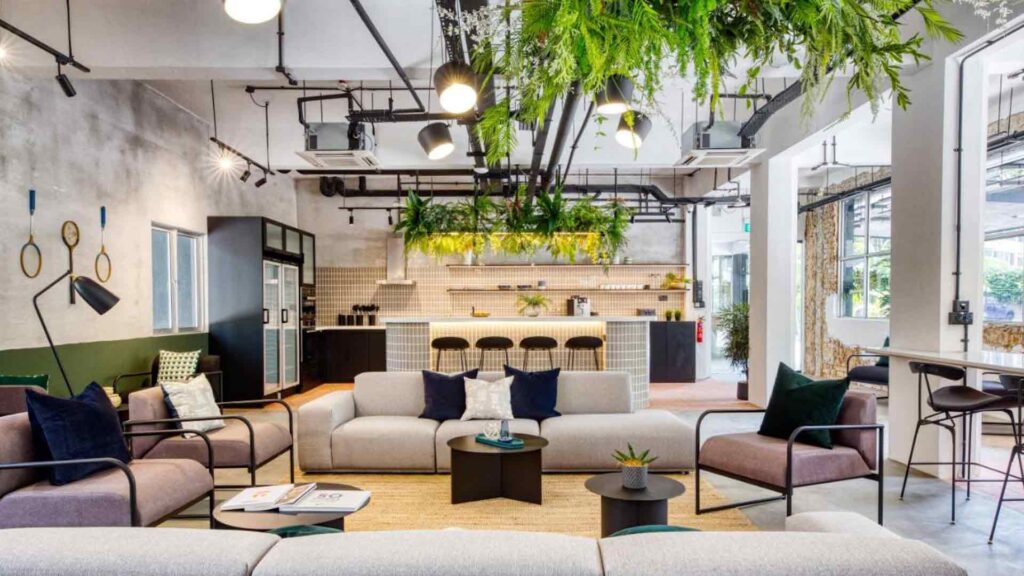
Co-living communities are another innovative solution gaining momentum. These housing models provide private bedrooms alongside shared kitchens, workspaces, and recreational areas. Popular in tech hubs such as San Francisco and Berlin, co-living spaces foster social connections while addressing affordability challenges.
Beyond shared costs, these spaces promote collaboration and networking. They represent a shift from traditional apartment living to community-driven housing that supports both social and professional needs.
4. Smart Urban Housing Developments
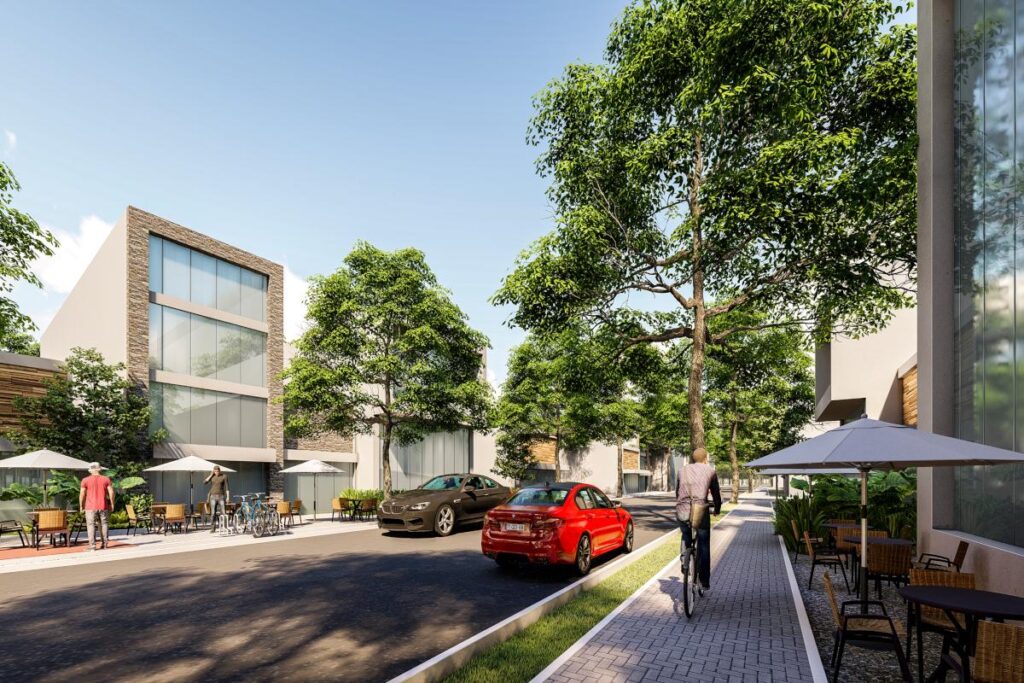
Entire smart housing developments are emerging in urban areas such as Songdo in South Korea. These neighborhoods are designed with integrated IoT systems, sustainable transport, and renewable energy grids. Residents live in homes connected to citywide smart infrastructure, providing real-time data for efficient urban management.
This holistic approach to housing demonstrates how modern urban living can integrate seamlessly with broader smart city initiatives. It emphasizes the potential of technology not only in homes but also in the surrounding environment.
Practical Benefits of Modern Urban Housing
Modern urban housing offers a range of practical advantages that address real-life challenges faced by city dwellers.
One significant benefit is affordability through optimized space and shared facilities. By reducing unnecessary square footage and encouraging resource sharing, modern housing makes urban living more accessible. Another key advantage is sustainability, as eco-friendly designs reduce energy consumption and environmental impact. Residents enjoy healthier, cleaner spaces while contributing to global sustainability efforts.
Additionally, the convenience of smart systems enhances everyday life. From managing home security remotely to optimizing energy usage, technology provides greater control and peace of mind. These combined benefits position modern housing as a powerful response to the demands of urban living.
Real-Life Use Cases of Modern Urban Housing
In practical terms, modern housing provides solutions to pressing urban challenges. For instance, in cities with rising rental costs, co-living spaces reduce financial burdens by sharing resources among residents. In regions facing environmental challenges, eco-friendly condos help reduce greenhouse gas emissions and promote sustainable development.
For professionals balancing fast-paced lifestyles, smart apartments equipped with automated systems save time and effort. These housing models also provide peace of mind by integrating advanced security measures, ensuring safe living environments in crowded cities.
Such use cases reveal how modern housing adapts to the unique demands of contemporary life, offering both functional and lifestyle benefits.
Frequently Asked Questions
Q1. What makes modern urban housing different from traditional housing?
Modern urban housing emphasizes efficiency, sustainability, and technology. Unlike traditional housing, it includes compact designs, eco-friendly materials, and smart home systems to adapt to today’s urban challenges.
Q2. How does technology improve modern housing?
Technology enhances modern housing through energy management, home automation, and advanced security. Smart devices allow residents to control their living spaces conveniently and sustainably.
Q3. Is modern urban housing affordable?
Affordability depends on location and design, but many modern housing solutions, such as micro-apartments and co-living communities, are specifically designed to reduce costs while maintaining comfort and quality.