Smart Home Apartments The Future of Connected Urban Living
Smart home apartments are residential living spaces enhanced with advanced technologies that enable automation, connectivity, and intelligent control over various home functions. These apartments typically feature integrated systems for lighting, climate control, security, and entertainment, all of which can be managed through smartphones, tablets, or voice assistants.
Unlike traditional apartments, smart apartments are designed for a digital-first lifestyle. They provide convenience, efficiency, and sustainability in compact living spaces, making them particularly attractive to urban residents such as young professionals, families, and eco-conscious tenants. By bridging technology and real estate, smart home apartments are transforming how people interact with their living spaces.
Why Smart Home Apartments Are Becoming Popular
Over the last few years, the demand for smart home apartments has grown significantly. One key driver is the global trend of urbanization-more people are moving to cities, where space is limited, and efficiency becomes a priority. Smart technologies optimize apartment living by saving space, automating tasks, and reducing unnecessary energy usage.
Another factor is the rapid adoption of the Internet of Things (IoT). As consumers become accustomed to devices like smart speakers and connected appliances, the idea of having a fully integrated smart apartment becomes increasingly appealing. For many buyers and renters, the availability of smart features is now a deciding factor when choosing an apartment.
Core Features of Smart Home Apartments
Smart Lighting Systems
Lighting in smart home apartments can be adjusted remotely or automated based on daily routines. Motion sensors, dimmers, and color-adjustable bulbs create customizable environments. Residents can enjoy enhanced convenience while reducing unnecessary electricity consumption.
Intelligent Climate Control
Smart thermostats and climate systems are central to smart apartments. These devices learn user preferences and automatically adjust room temperatures, ensuring comfort without wasting energy. In apartments where heating and cooling costs are significant, this feature provides both comfort and savings.
Integrated Security and Access
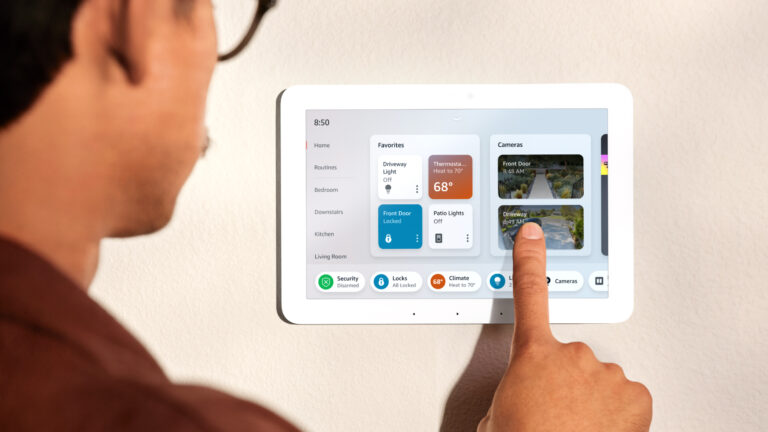
From smart locks to video doorbells, security is one of the most attractive features of smart home apartments. Tenants can monitor their apartments in real time, grant access remotely, and receive instant notifications of suspicious activity. This is particularly valuable in urban centers where safety is a top concern.
Entertainment and Connectivity
Smart apartments often come with pre-installed systems for audio, video, and streaming services. Residents can manage entertainment through voice commands or apps, creating seamless integration across all devices. Connectivity is the foundation of these apartments, making them highly appealing to tech-savvy individuals.
Benefits of Living in Smart Home Apartments
Convenience and Time-Saving
Living in a smart home apartment simplifies everyday routines. From adjusting lights to controlling appliances, everything can be managed remotely or automated. This level of convenience saves time and helps residents focus on other priorities.
Enhanced Safety and Security
Smart home apartments offer stronger protection compared to traditional apartments. Features like app-controlled locks, 24/7 surveillance, and motion alerts allow residents to feel safer both inside and outside their homes. Families, students, and frequent travelers especially benefit from these safety measures.
Energy Efficiency and Sustainability
One of the strongest benefits of smart apartments is energy conservation. Automated systems ensure lights, heating, and appliances only run when needed. This not only lowers monthly bills but also reduces the environmental footprint, aligning with global sustainability goals.
Personalized Lifestyle
Smart home apartments adapt to individual habits. Residents can create custom routines—such as having the blinds open at sunrise, coffee machines turn on automatically, or lights dimmed for bedtime. This personalization enhances comfort and reflects modern lifestyle preferences.
Real-World Examples of Smart Home Apartments
1. Luxury Smart Apartments in New York City
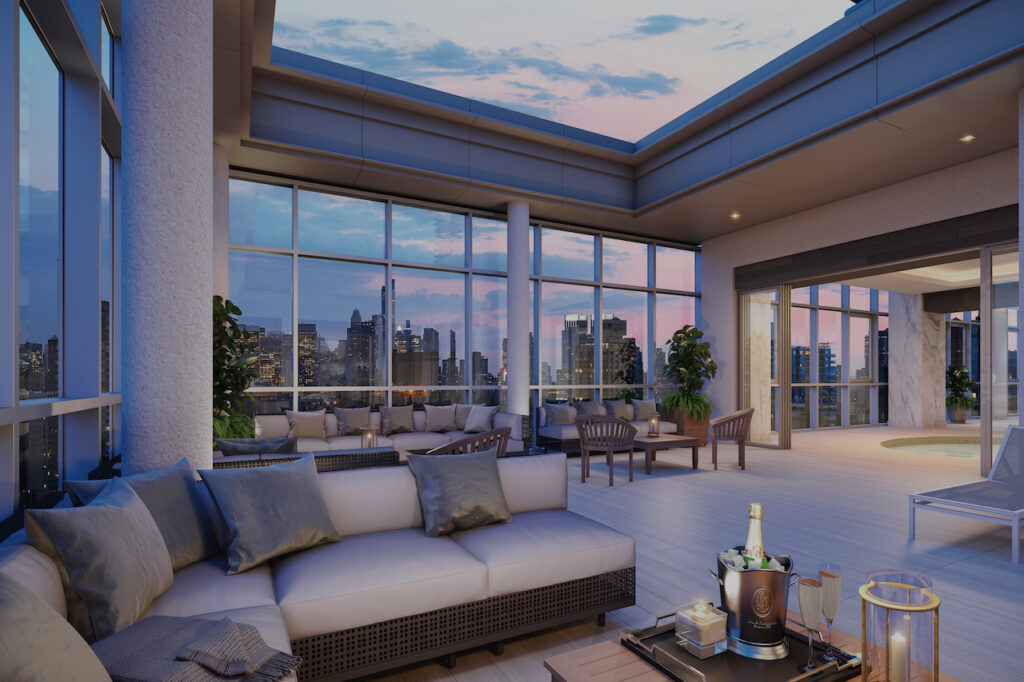
In New York City, several luxury apartment buildings are designed as fully smart-enabled residences. These apartments come with voice-controlled climate systems, automated lighting, and app-based door access. Tenants also benefit from shared smart facilities like automated mail lockers and community apps for booking amenities.
This setup is particularly attractive to busy professionals who value both convenience and security. For instance, a resident can unlock their apartment remotely for a guest or schedule their heating system to activate just before they return home, ensuring maximum comfort.
2. Sustainable Smart Apartments in London
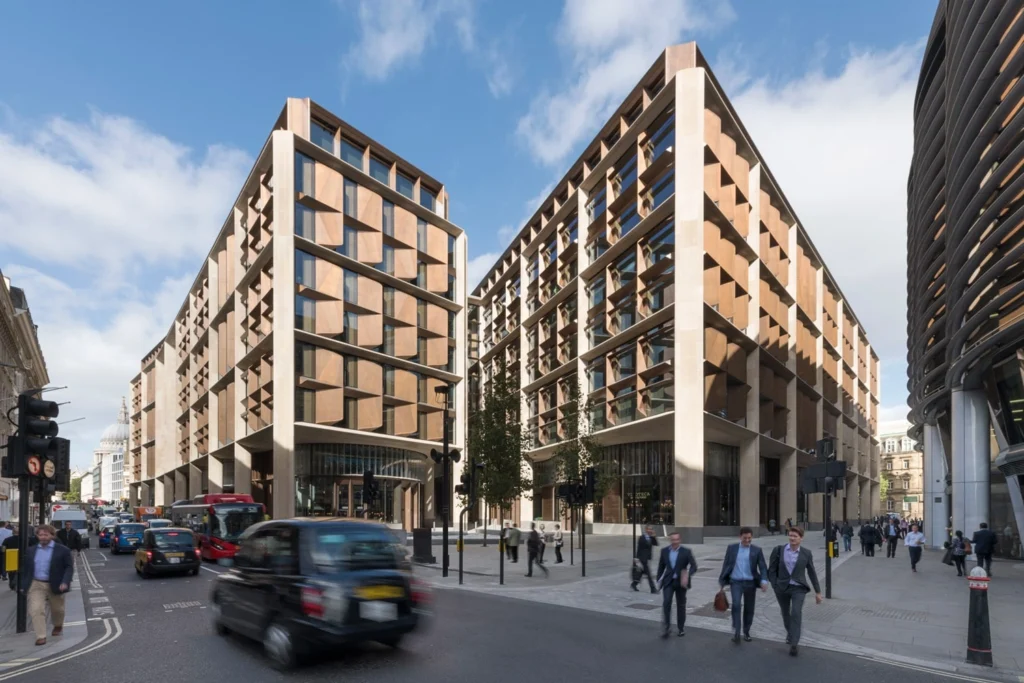
London has become a hub for sustainable smart apartment developments. Many new projects integrate energy-saving technologies such as automated LED lighting, water management systems, and AI-powered energy tracking. These apartments allow tenants to monitor and reduce their energy use directly through mobile applications.
The focus on eco-conscious living makes these apartments popular among younger residents who prioritize sustainability. By combining modern luxury with eco-friendly features, these smart homes attract tenants who want to reduce costs while supporting environmental goals.
3. Suburban Smart Apartment Complexes in Toronto
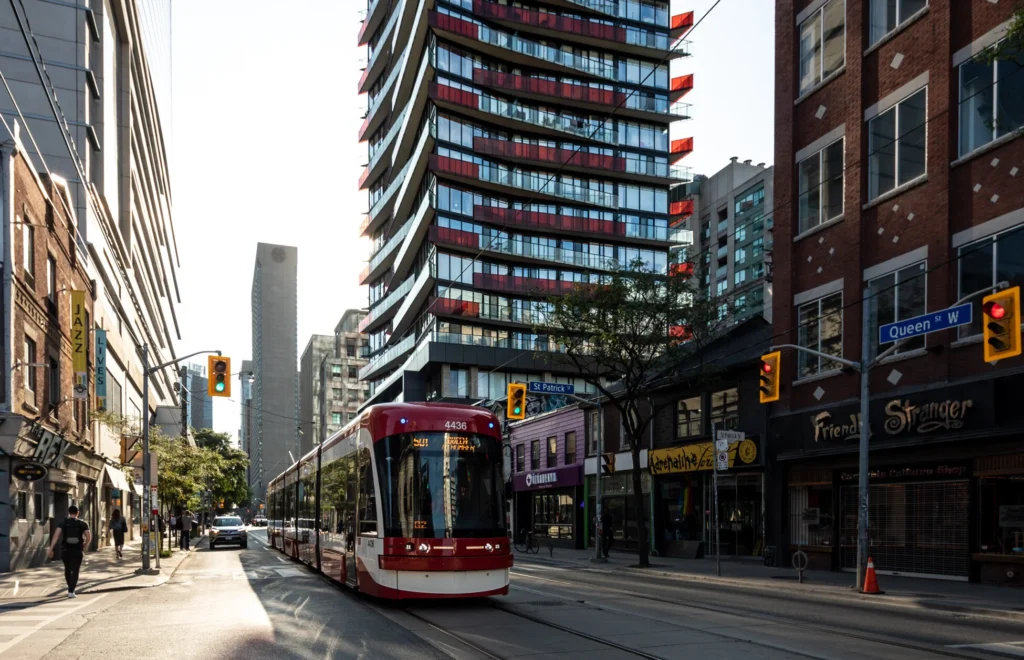
In Toronto’s suburban neighborhoods, developers are introducing smart apartment complexes that cater to families and long-term residents. These apartments often feature integrated smart locks, connected kitchen appliances, and smart thermostats. Community-wide features, such as shared energy management systems, make these complexes efficient and family-friendly.
This model is valuable for families who want enhanced safety for children and the ability to monitor energy use effectively. It demonstrates how smart apartments are expanding beyond luxury living to cater to everyday households.
4. Futuristic Smart Apartments in Sydney
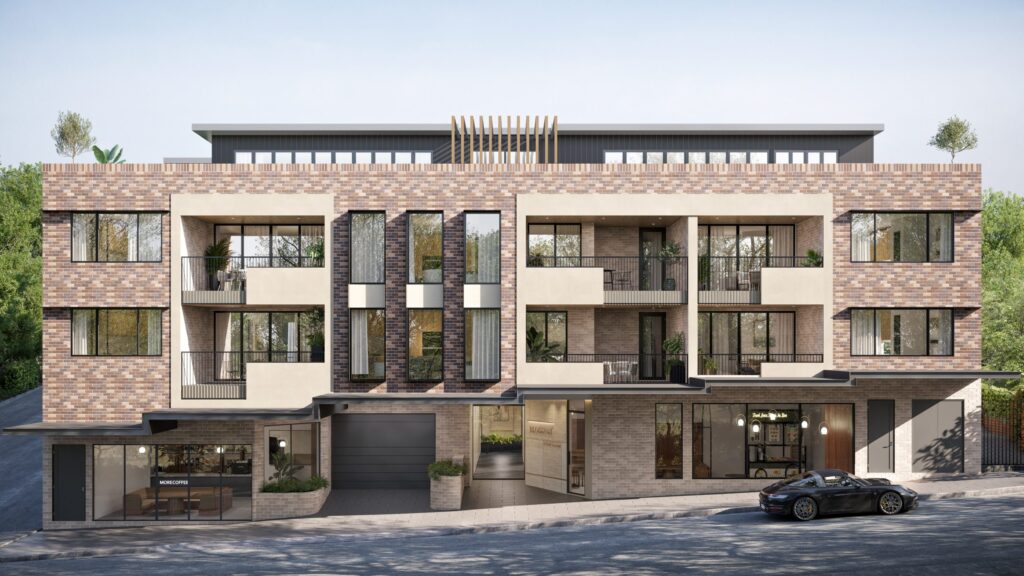
Sydney is home to futuristic smart apartments designed for modern professionals. These apartments often include adaptive lighting systems, app-controlled blinds, and voice-activated entertainment hubs. Developers highlight how technology enhances urban living while keeping energy consumption minimal.
These apartments are particularly relevant to the growing population of remote workers. For instance, adaptive lighting improves productivity by simulating natural light during work hours, while integrated security ensures peace of mind while working from home.
Use Cases: Solving Real-Life Problems with Smart Apartments
For Busy Professionals
Smart apartments help save time by automating tasks such as adjusting climate settings or managing appliances. This is especially useful in metropolitan areas where every minute counts.
For Families and Children
Families benefit from advanced security systems that allow parents to monitor children remotely. Smart sensors and locks ensure children’s safety, while energy-efficient appliances help keep costs manageable.
For Elderly Residents
Smart apartments can be tailored to meet the needs of seniors. Features such as voice-controlled devices, fall detection sensors, and emergency alerts create a safer and more independent living environment for elderly residents.
For Remote Workers
With many professionals now working from home, smart apartments offer tools that improve productivity and comfort. Smart lighting and noise-reduction technologies create environments that are more suitable for focused work.
The Future of Smart Home Apartments
The future of smart apartments is closely tied to advancements in artificial intelligence, IoT, and green construction practices. By 2030, many new urban developments in Tier 1 countries are expected to come pre-installed with smart technology as a standard.
This shift represents not just a trend but a transformation in real estate. Smart apartments will become the norm in modern cities, attracting buyers and renters who see technology as essential to their quality of life.
Frequently Asked Questions (FAQ)
Q1. Do smart home apartments cost more than traditional apartments?
Yes, smart apartments typically come at a higher initial cost due to integrated technologies. However, they provide long-term savings in energy and add value by offering enhanced convenience and security.
Q2. Can smart features in apartments be upgraded later?
Absolutely. While many smart apartments are built with pre-installed features, residents can add new devices such as additional smart speakers, cameras, or appliances over time, making the setup highly customizable.
Q3. Are smart home apartments secure from hacking?
Most smart apartment systems are designed with strong encryption and security protocols. However, residents should regularly update their systems, use secure passwords, and enable multi-factor authentication to ensure maximum protection.