Smart Home Devices Complete Guide to Modern Connected Living
Smart home devices have revolutionized the way people interact with their living spaces. From automated lighting to intelligent security systems, these devices offer convenience, energy efficiency, and enhanced safety. Unlike traditional home appliances, smart home devices are connected to the internet and can be controlled remotely through smartphones, tablets, or voice assistants.
The rise of smart technology reflects a growing demand for homes that adapt to the needs of their occupants. Homeowners are no longer limited to manual control of appliances and systems; instead, they can create personalized environments that adjust automatically. This shift is more than just technological-it’s a transformation in how we define comfort and modern living.
Why Smart Home Devices Are Essential Today
In today’s fast-paced world, smart home devices provide both functionality and peace of mind. They allow homeowners to control critical aspects of their home even when they are not physically present. For example, a smart thermostat can reduce energy consumption by learning daily routines, while a smart camera provides real-time security alerts.
Beyond convenience, these devices are central to sustainability efforts. By optimizing energy usage, they reduce carbon footprints and help lower monthly utility bills. Their integration into connected ecosystems, such as Amazon Alexa, Google Home, and Apple HomeKit, ensures seamless operation across multiple devices.
Key Features of Smart Home Devices
Smart home devices come with a variety of features designed to enhance usability. One of the most significant is connectivity, as most devices operate through Wi-Fi or Bluetooth, ensuring easy remote control. Another important feature is automation, where devices can be programmed or adapt to user behavior through artificial intelligence.
Additionally, many smart devices are compatible with voice assistants, allowing homeowners to issue commands without needing to physically interact with controls. Security features are also built into many devices, including encrypted communication and two-factor authentication, ensuring user privacy and safety.
Real-World Examples of Smart Home Devices
1. Amazon Echo (Smart Speaker with Alexa)
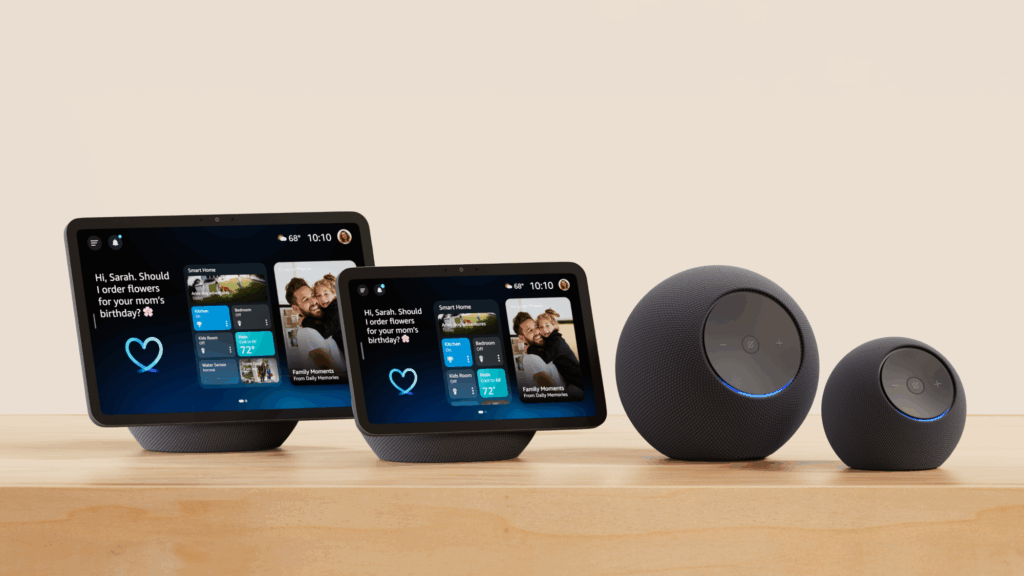
Amazon Echo is one of the most popular smart home devices, acting as a central hub for voice control. Beyond playing music or answering questions, Echo integrates with thousands of smart devices, allowing homeowners to control lights, thermostats, and even appliances with simple voice commands.
Its significance lies in its role as a bridge between users and other devices. For example, with Alexa routines, a user can program lights to dim, the thermostat to adjust, and music to play simultaneously at bedtime-all triggered by a single phrase like “Alexa, goodnight.”
2. Philips Hue Smart Lighting System

Philips Hue represents one of the best advancements in smart lighting. Users can control brightness, color, and scheduling from a smartphone app or through voice assistants. Beyond aesthetics, smart lighting improves energy efficiency and security, as lights can be programmed to mimic occupancy when residents are away.
The system’s adaptability makes it ideal for both small apartments and large homes. For example, setting color-changing lights for relaxation or energizing routines can directly impact mood, while security-focused features deter intruders.
3. Nest Learning Thermostat
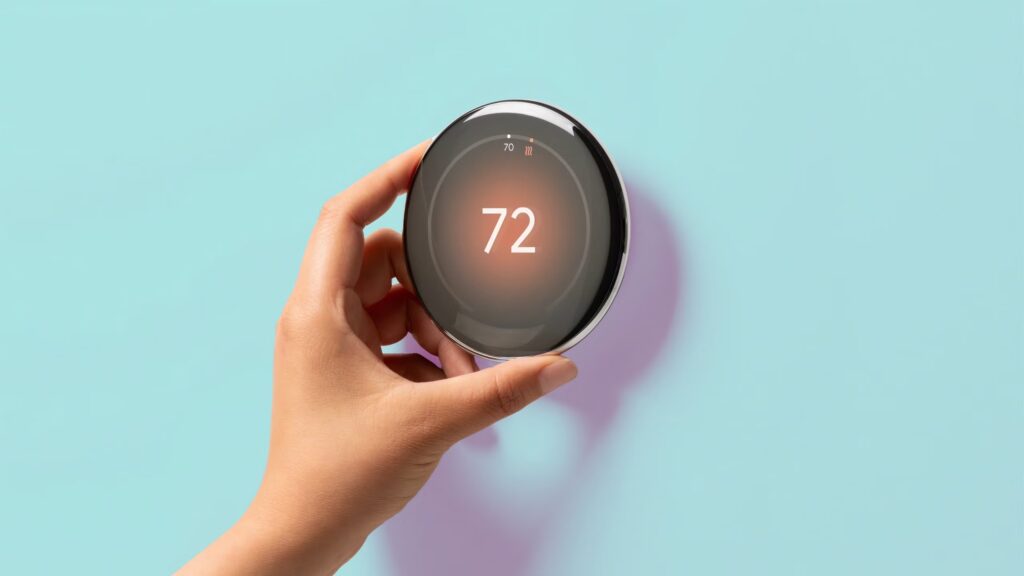
The Nest Learning Thermostat is another prominent smart home device that combines artificial intelligence with energy management. It learns user preferences over time and automatically adjusts temperatures for maximum comfort and efficiency. Its sleek design and user-friendly interface make it both functional and stylish.
This thermostat is especially useful for households seeking energy savings. Reducing unnecessary heating and cooling can significantly lower utility bills. Its real-time data and remote access provide further control, making it a cornerstone of modern energy-efficient homes.
4. Ring Video Doorbell
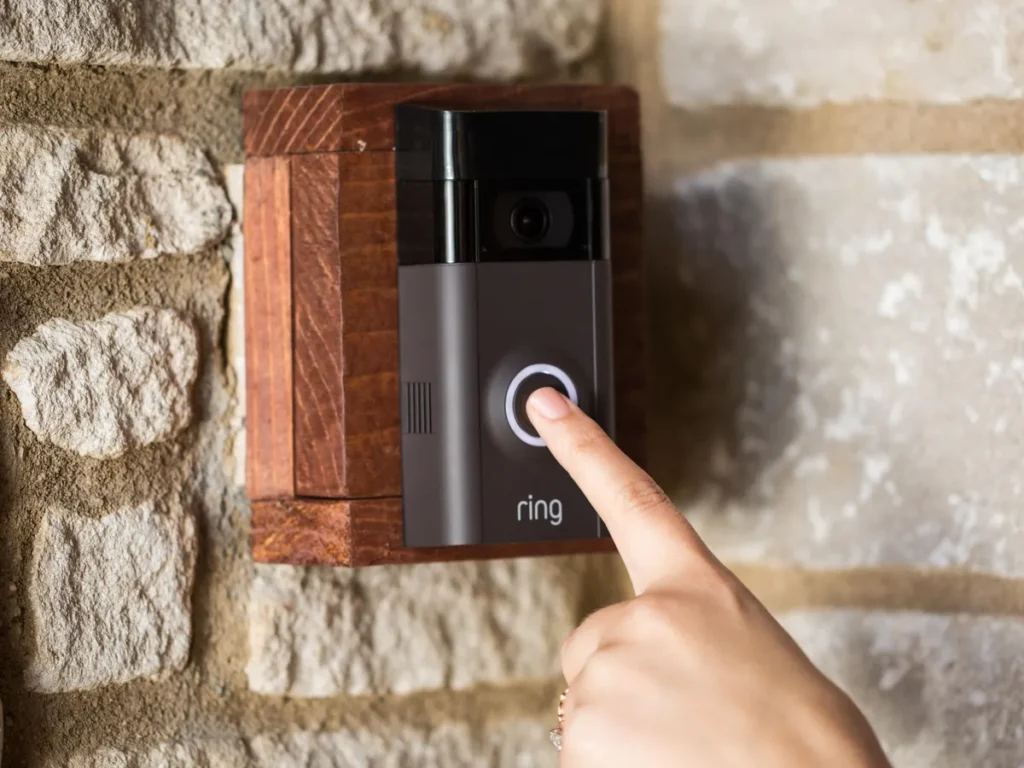
Ring Video Doorbell is a standout example of smart security technology. It allows homeowners to see, hear, and speak to visitors at their door via smartphone, even when they’re away. Its motion detection and video recording features enhance security by capturing activities around the entrance.
Ring has become an essential tool for homeowners looking to safeguard deliveries, monitor their front doors, and discourage intruders. Its integration with other smart security devices ensures comprehensive home protection.
5. iRobot Roomba Smart Vacuum
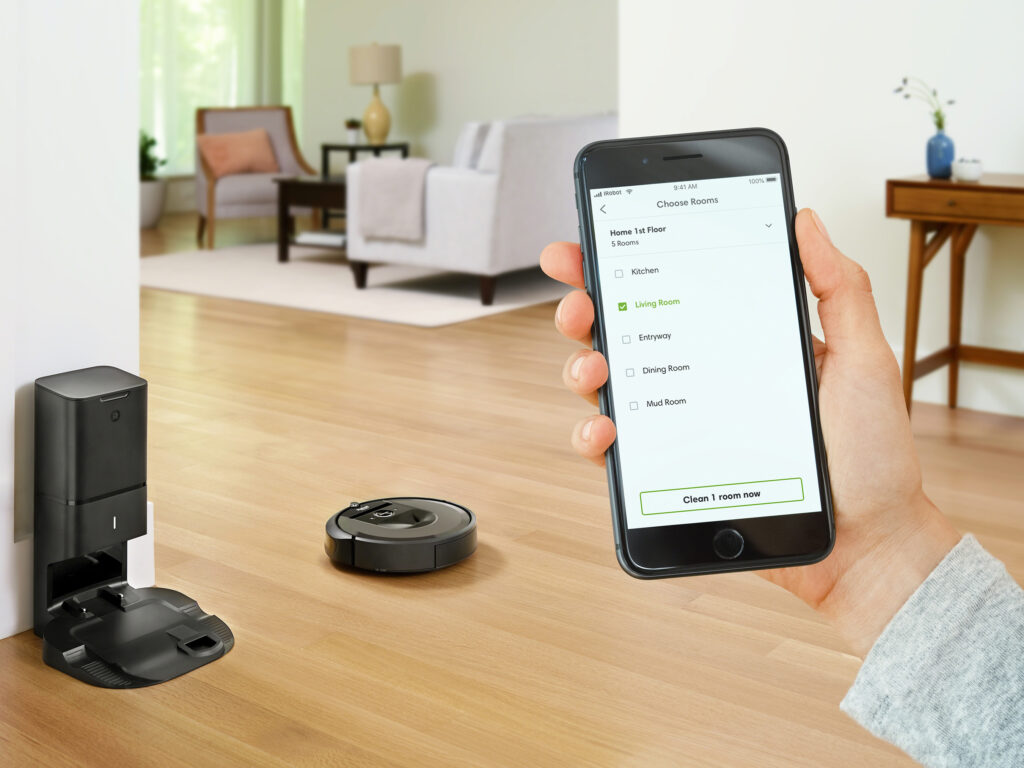
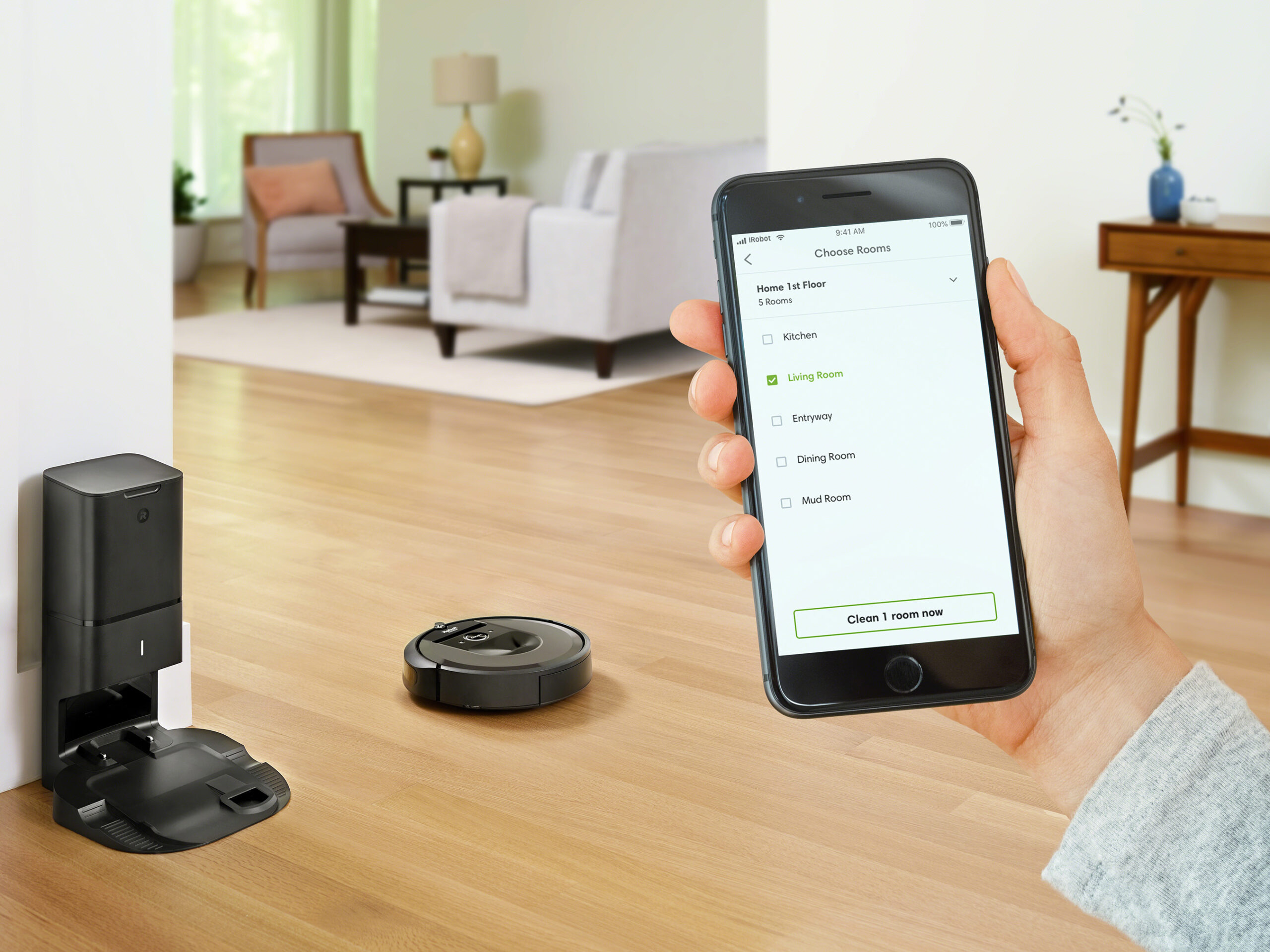
The iRobot Roomba takes the chore out of cleaning with automated vacuuming. Using smart navigation and sensors, Roomba maps out rooms, avoids obstacles, and adapts cleaning routes. With Wi-Fi connectivity, users can schedule cleanings remotely or activate the device with voice commands.
This smart device is particularly relevant for busy households, as it saves time while maintaining cleanliness. Its ability to self-charge and resume cleaning adds to its convenience and autonomy.
Benefits of Smart Home Devices with Technology Integration
The main benefit of smart home devices lies in their ability to create a connected ecosystem. Rather than operating in isolation, devices can interact with each other, creating seamless living experiences. For example, a motion sensor can trigger lights and adjust the thermostat simultaneously when someone enters a room.
Smart devices also enhance security by offering real-time monitoring, remote access, and alert notifications. This ensures homeowners are always aware of what’s happening, regardless of their location. On top of that, the energy-saving potential is significant, as devices like smart thermostats and lighting systems adapt usage based on habits, leading to lower bills and reduced environmental impact.
Use Cases of Smart Home Devices
Remote Energy Management
For homeowners who spend significant time away from home, smart thermostats and plugs provide a way to manage energy use remotely. This prevents unnecessary consumption while ensuring the home environment is comfortable upon return.
Enhanced Security for Urban Living
In urban areas where safety is a concern, smart doorbells, cameras, and locks offer peace of mind. Notifications alert users instantly when motion is detected, while remote communication with visitors adds an extra layer of security.
Convenience for Busy Households
For families juggling multiple responsibilities, automation saves time. From voice-controlled appliances to robot vacuums, smart home devices simplify daily tasks, allowing homeowners to focus on more meaningful activities.
Accessibility for Elderly or Disabled Residents
Smart home technology is also highly beneficial for individuals with limited mobility. Voice-controlled lighting, thermostats, and appliances make everyday living more accessible, enhancing independence and safety.
The Future of Smart Home Devices
The smart home industry continues to evolve with the integration of artificial intelligence, machine learning, and even renewable energy systems. Future devices are expected to be more intuitive, sustainable, and interconnected. For instance, homes may soon have systems that predict user needs before they are voiced, creating truly autonomous living spaces.
As 5G technology expands, the speed and reliability of smart device communication will also improve, making automation even more efficient. The future of smart home devices lies in greater personalization, security, and environmental responsibility.
Frequently Asked Questions
Q1. What are the most common smart home devices?
Some of the most common smart home devices include smart speakers, lighting systems, thermostats, doorbell cameras, and robot vacuums. These devices are popular because they provide both convenience and practicality.
Q2. Do smart home devices save money on energy bills?
Yes, many smart home devices are designed to reduce energy usage. For example, smart thermostats adjust heating and cooling intelligently, while smart lighting ensures lights are only used when needed, both of which lead to cost savings.
Q3. Are smart home devices secure to use?
Most reputable smart home devices come with strong security features like encrypted communication and two-factor authentication. However, users should always update software regularly and use secure passwords to ensure maximum protection.