Smart Home Real Estate The Future of Property Technology and Connected Living
Smart technology has changed nearly every aspect of modern life, and the real estate market is no exception. Smart home real estate represents the merging of property investment with cutting-edge home automation systems, offering buyers not just a home, but a connected living experience. From energy-efficient appliances to voice-controlled lighting and advanced security, smart home real estate is reshaping how people view comfort, convenience, and value in their properties.
In this article, we’ll explore what smart home real estate means, its benefits, real-world examples of technology integration, and how it solves real-world problems for homeowners, investors, and renters alike.
Understanding Smart Home Real Estate
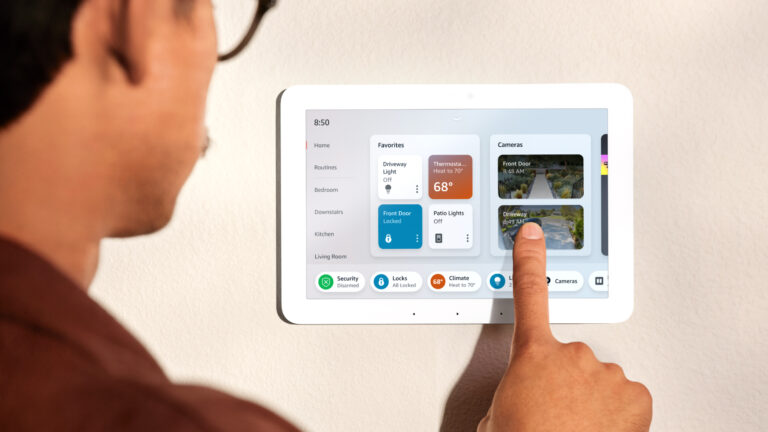
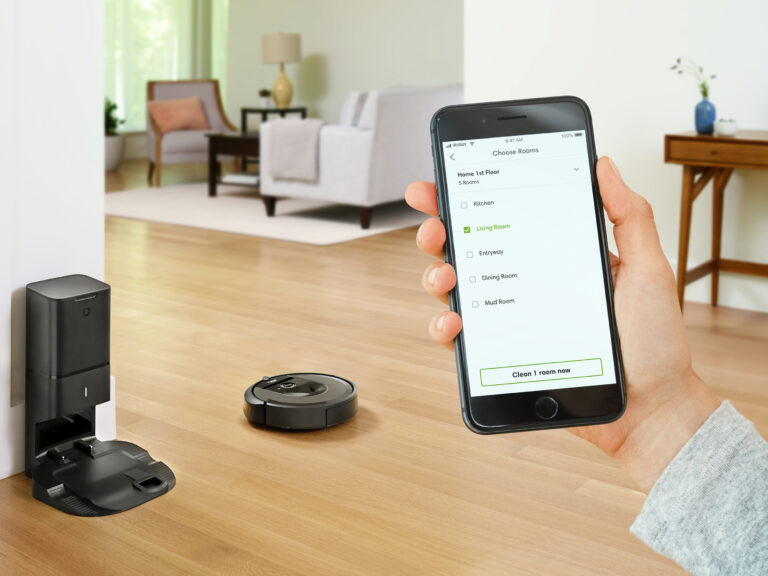
Smart home real estate refers to residential properties equipped with integrated home automation systems and IoT-enabled devices that allow residents to control various functions through smartphones, voice assistants, or automated routines. These systems can manage lighting, heating, cooling, security, and entertainment seamlessly.
The shift towards smart home real estate is driven by consumer demand for convenience, sustainability, and enhanced safety. Buyers today are not just looking for spacious interiors or scenic views-they are increasingly prioritizing tech-enabled living spaces that adapt to modern lifestyles.
This growing trend has made smart home features a valuable selling point in the real estate industry, often increasing property value and appeal among younger, tech-savvy buyers.
Benefits of Smart Home Real Estate
Increased Property Value
Properties equipped with smart technologies often command higher prices in the market. Buyers perceive smart features such as automated lighting, smart thermostats, and security systems as long-term investments that reduce operating costs while improving quality of life. For real estate developers and sellers, this translates into greater returns.
Enhanced Energy Efficiency
Smart home real estate promotes sustainable living by reducing energy waste. Automated thermostats, smart plugs, and connected lighting systems ensure that energy is used only when necessary. Over time, these features significantly lower utility costs, making the property more appealing to eco-conscious buyers and tenants.
Improved Security and Safety
One of the most critical benefits of smart home real estate is enhanced security. Smart locks, video doorbells, motion sensors, and surveillance systems provide homeowners with peace of mind, whether they are at home or away. Security is often a top priority for buyers, and properties with these features stand out in competitive markets.
Convenience and Lifestyle Upgrades
Smart homes make daily living easier and more enjoyable. From pre-programmed morning routines that adjust lighting and play music to remote control of appliances, these features offer unmatched convenience. Homeowners can customize their living environments to match their preferences, creating a home that feels truly responsive.
Real-World Examples of Smart Technology in Real Estate
1. Smart Lighting Systems (Philips Hue)

Philips Hue smart lighting has become a popular choice in modern real estate developments. With Alexa and Google Assistant compatibility, these lights allow residents to control brightness, color, and scheduling through voice commands or mobile apps.
In smart home real estate, smart lighting systems are more than aesthetic enhancements—they improve energy efficiency and offer customizable environments. Developers often use such systems as selling points because they appeal to buyers seeking both sustainability and personalization.
2. Ring Video Doorbell for Home Security
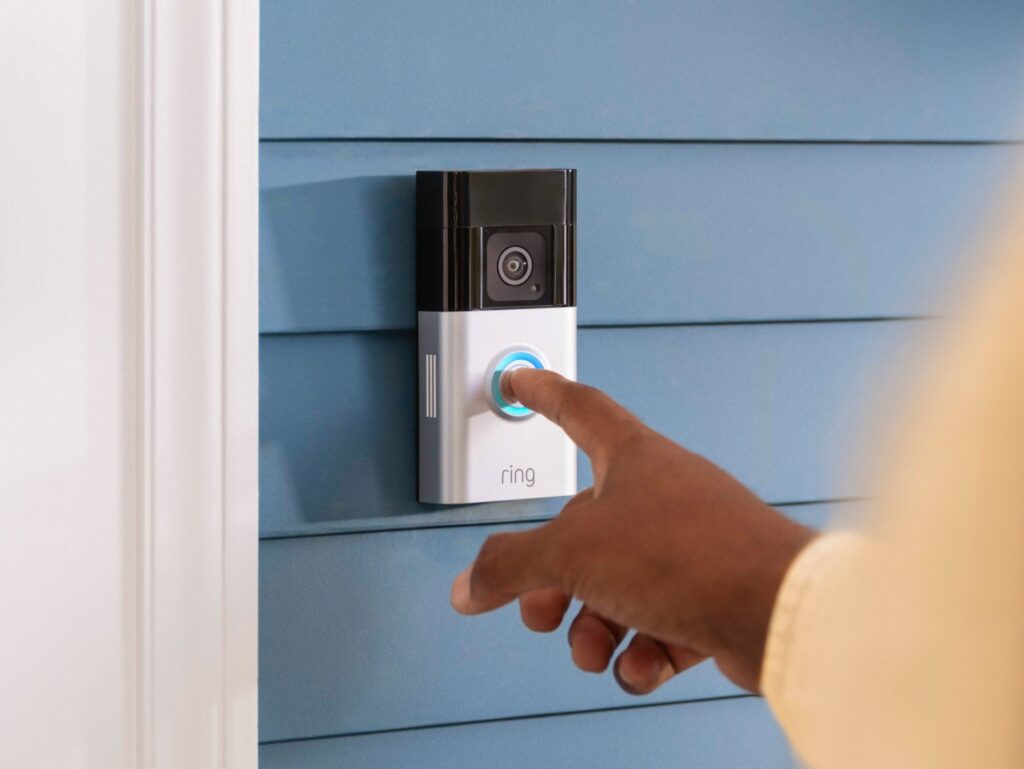
The Ring Video Doorbell has revolutionized residential security by enabling homeowners to see and communicate with visitors remotely. Integrated with Alexa, it provides instant notifications when motion is detected at the door.
For smart home real estate, this device demonstrates how advanced technology can improve safety and convenience. Homes equipped with smart security systems often attract families, retirees, and professionals who prioritize peace of mind.
3. Ecobee Smart Thermostat
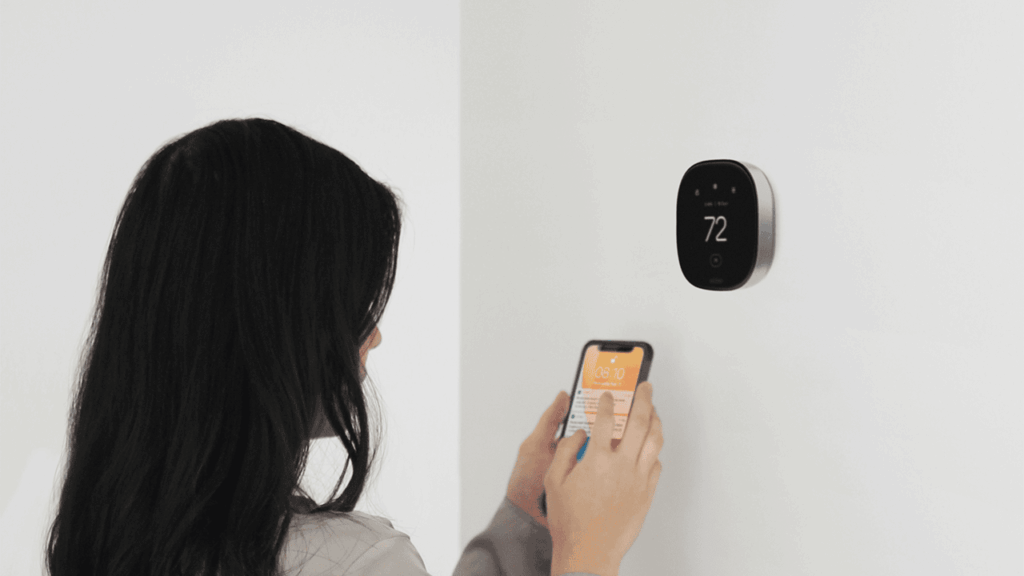
The Ecobee Smart Thermostat is a powerful example of how smart technology optimizes comfort and efficiency. With sensors that detect occupancy and integrate with Alexa, it ensures heating and cooling systems run only when necessary.
In smart home real estate, the Ecobee thermostat adds value by lowering energy bills while providing an intelligent climate control system. Buyers increasingly seek out such sustainable and cost-efficient solutions when evaluating properties.
4. Smart Locks (August Smart Lock Pro)

The August Smart Lock Pro allows residents to lock and unlock doors remotely or through voice commands. It integrates seamlessly with Alexa, providing convenience while ensuring that security standards are maintained.
For real estate agents, showcasing properties with smart locks emphasizes both safety and modern convenience. Buyers appreciate the ability to grant temporary access to guests or service providers without needing physical keys.
5. Nest Protect Smart Smoke and CO Detector
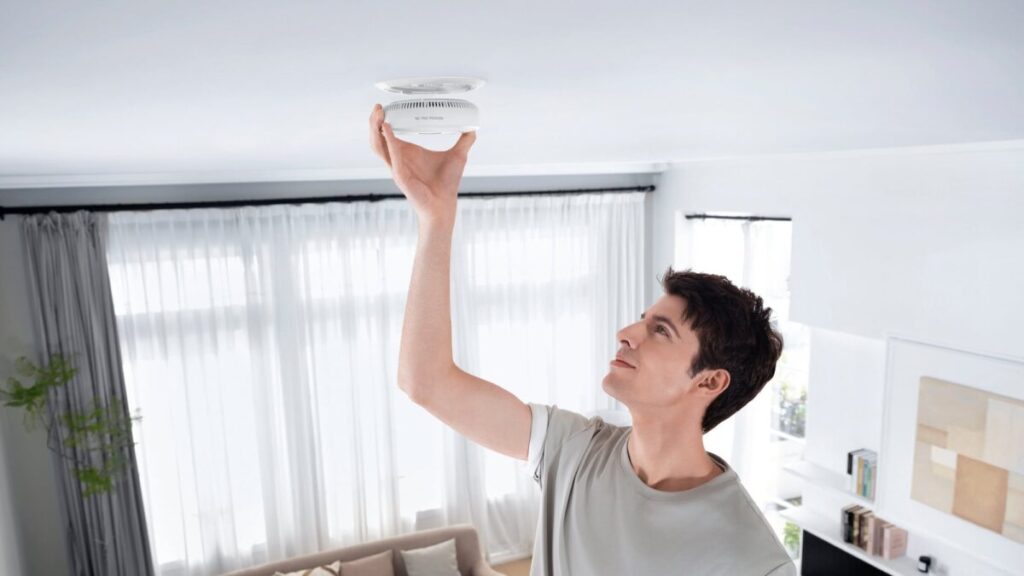
Nest Protect adds an essential safety component to smart homes. It detects smoke and carbon monoxide while providing alerts directly to smartphones. This technology not only enhances safety but also reassures homeowners that their property is protected around the clock.
In real estate, safety-focused smart devices like Nest Protect make properties stand out by combining innovation with essential household protection.
Practical Advantages of Smart Home Real Estate
Attractiveness to Tech-Savvy Buyers
Millennials and Gen Z buyers are increasingly entering the housing market, and their preferences lean heavily toward tech-enabled homes. Smart home real estate directly caters to this demographic, making properties more appealing and competitive.
Remote Property Management
For landlords and property managers, smart home features simplify oversight. Devices like smart thermostats, locks, and cameras allow remote management of properties, reducing the need for in-person visits. This advantage is particularly valuable for real estate investors managing multiple properties.
Customizable Living Experiences
Smart homes offer highly customizable experiences. Buyers can adjust lighting to match moods, automate appliances based on schedules, or create entertainment zones controlled with simple commands. This flexibility increases the emotional appeal of the property, making it feel like more than just a building-it becomes an adaptable lifestyle space.
Technology’s Role in Smart Home Real Estate
The foundation of smart home real estate lies in the Internet of Things (IoT), artificial intelligence, and cloud computing. These technologies connect devices into a unified ecosystem managed by central hubs like Alexa, Google Assistant, or Apple HomeKit.
Developers are now integrating these systems into properties during construction, ensuring that homes are “move-in ready” with built-in automation capabilities. This proactive approach is positioning smart home real estate as the new industry standard rather than an optional luxury.
Use Cases: Real-World Applications of Smart Home Real Estate
Families Seeking Safety and Comfort
Smart locks, video doorbells, and security cameras help families feel safer in their homes. Parents can monitor children’s arrival times, and households can control access to the property with ease.
Remote Workers Creating Smart Offices
With more people working from home, smart home real estate provides valuable features like noise-controlled environments, smart lighting for productivity, and AI-powered thermostats to maintain comfort during long workdays.
Investors Managing Rental Properties
Smart features make rental properties more attractive and easier to manage. For example, landlords can remotely grant access to tenants, monitor energy usage, and receive alerts about maintenance issues, reducing costs and improving tenant satisfaction.
Retirees and Accessibility Needs
Elderly homeowners benefit greatly from voice-activated systems that reduce physical strain. Turning on lights, adjusting temperatures, or checking door security through simple voice commands enhances independent living.
Frequently Asked Questions (FAQs)
Q1. Does smart home real estate cost more than traditional properties?
Yes, smart-enabled properties may have higher upfront costs due to technology integration. However, the long-term savings in energy efficiency and the added property value often outweigh the initial investment.
Q2. Can older homes be converted into smart home real estate?
Absolutely. Many smart devices are designed for retrofitting, allowing older properties to be upgraded with modern automation features without full renovations.
Q3. Is smart home real estate secure from hacking?
Security is a common concern. By using strong passwords, enabling two-factor authentication, and keeping devices updated, homeowners can significantly reduce risks. Most manufacturers also implement strong encryption protocols for added safety.