Smart Home Thermostat Features, Benefits, and Real-World Applications
A smart home thermostat is a cutting-edge device designed to automate and optimize home heating and cooling. Unlike traditional thermostats, smart thermostats learn user preferences, detect occupancy, and integrate with smart home ecosystems to provide precise climate control.
These devices are not only about comfort-they also help homeowners save energy, monitor usage patterns, and control home temperature remotely through mobile apps or voice assistants. As more households adopt smart home technology, thermostats have become an essential component for modern, efficient living.
Core Features of Smart Home Thermostats
Smart home thermostats are equipped with multiple features to enhance home comfort and efficiency. Key functionalities include learning user schedules, detecting occupancy via sensors, and adjusting temperatures automatically. This ensures optimal comfort in every room while minimizing energy waste.
Integration with platforms like Amazon Alexa, Google Assistant, and Apple HomeKit allows voice control and home automation. Users can schedule heating or cooling routines, adjust temperatures remotely, and receive real-time energy usage insights through intuitive mobile apps.
Energy Efficiency and Cost Savings
One of the main benefits of smart thermostats is energy efficiency. By adjusting heating and cooling based on occupancy and usage patterns, these devices reduce unnecessary energy consumption. Over time, this can lead to significant savings on monthly utility bills.
Many smart thermostats provide detailed energy reports, allowing homeowners to understand their usage and optimize settings further. This combination of automation and insight supports both financial savings and environmentally friendly living.
Real-World Examples of Smart Home Thermostat Applications
1. Ecobee Smart Thermostat in Single-Family Homes
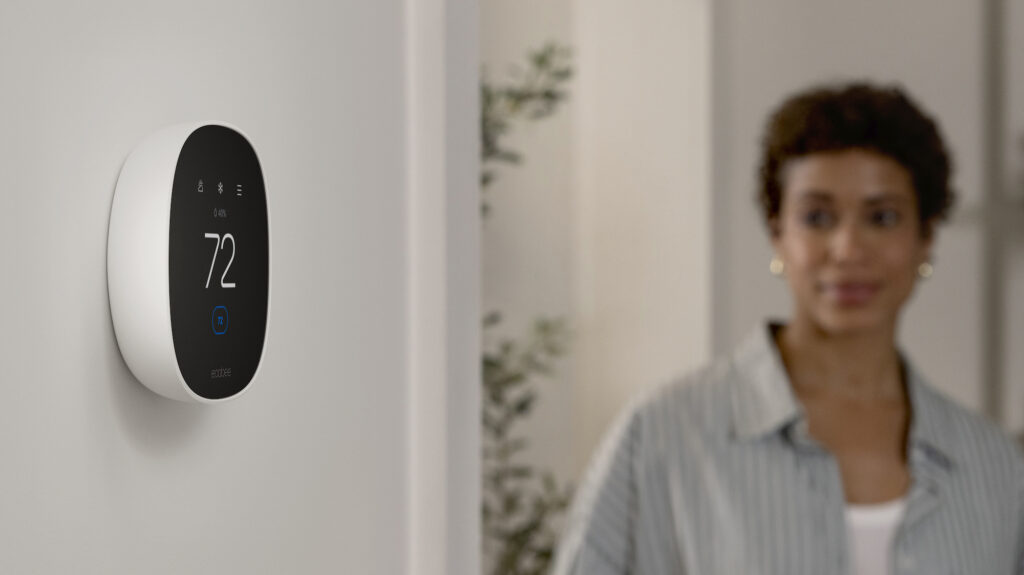
In single-family homes, Ecobee thermostats use remote sensors to detect room occupancy, ensuring even temperature distribution. This prevents hot or cold spots and reduces energy waste by focusing heating or cooling where it’s needed.
Families benefit from comfort in all living spaces while keeping energy costs under control. Multi-story homes particularly gain from these features, as temperature inconsistencies between floors are minimized.
2. Nest Learning Thermostat for Smart Home Integration
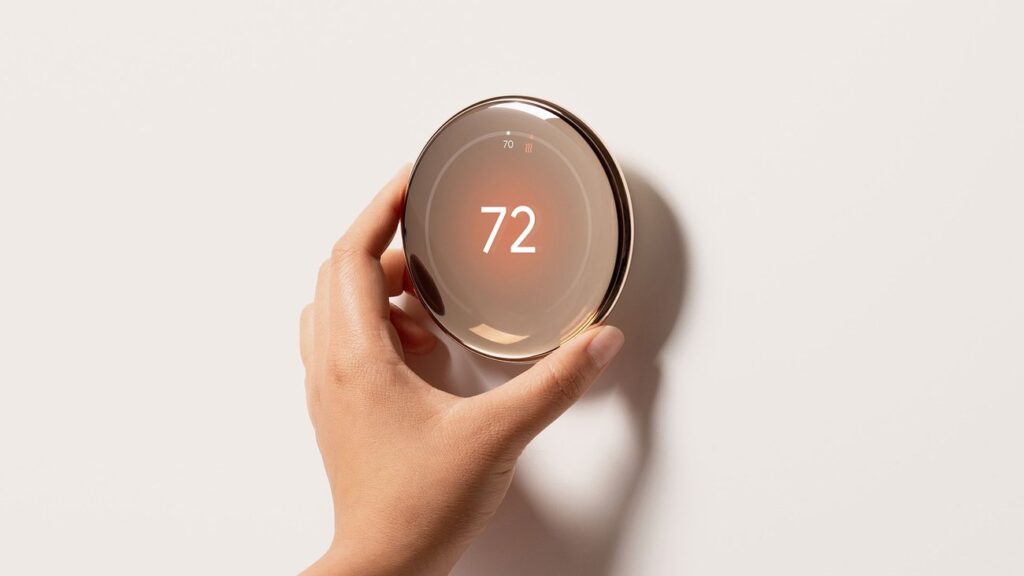
Nest thermostats learn user routines over time, automatically adjusting temperatures to match schedules. Integration with smart home ecosystems allows automated routines, such as lowering the temperature when leaving home or pre-heating before arrival.
This enhances convenience and energy efficiency by ensuring the home environment aligns with user habits without manual adjustments.
3. Honeywell Smart Thermostat for Rental Properties
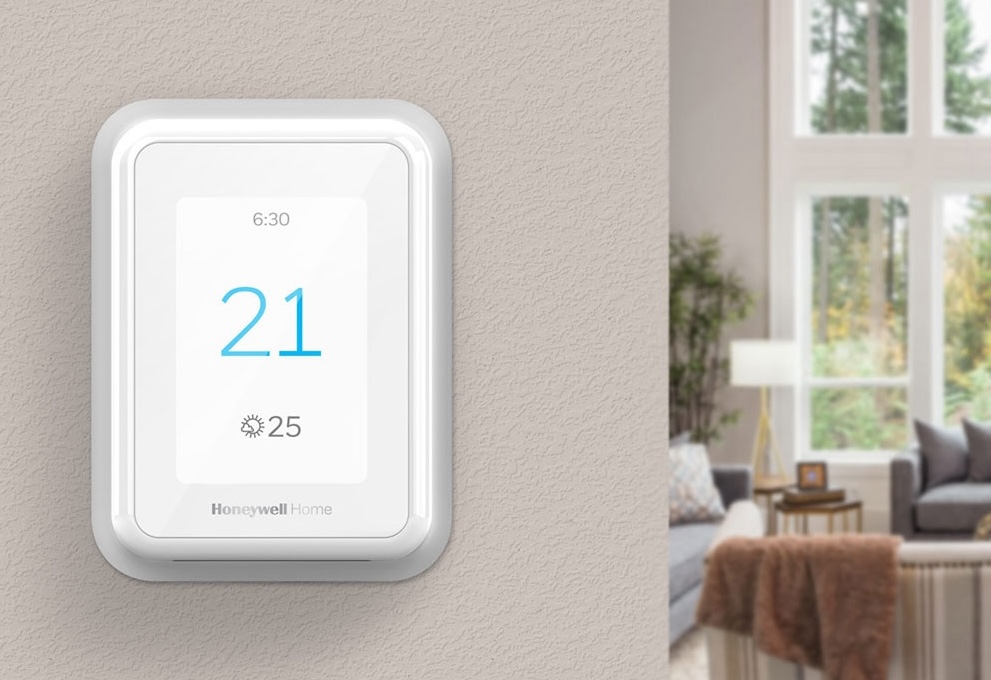
Rental property managers use Honeywell smart thermostats to control temperatures remotely and maintain energy efficiency between tenants. Guests can adjust settings via smartphone apps, while managers monitor usage and implement energy-saving schedules.
This application shows how smart thermostats are valuable in both residential and commercial settings, improving comfort and reducing unnecessary energy consumption.
4. Seasonal Homes

Owners of vacation or seasonal homes can use smart thermostats to manage temperatures remotely. Whether keeping the house cool in summer or pre-heating before arrival in winter, homeowners can maintain comfort and efficiency without being physically present.
Remote access ensures energy is not wasted during unoccupied periods, while the home is ready for occupancy when needed.
5. Multi-Zone HVAC Systems
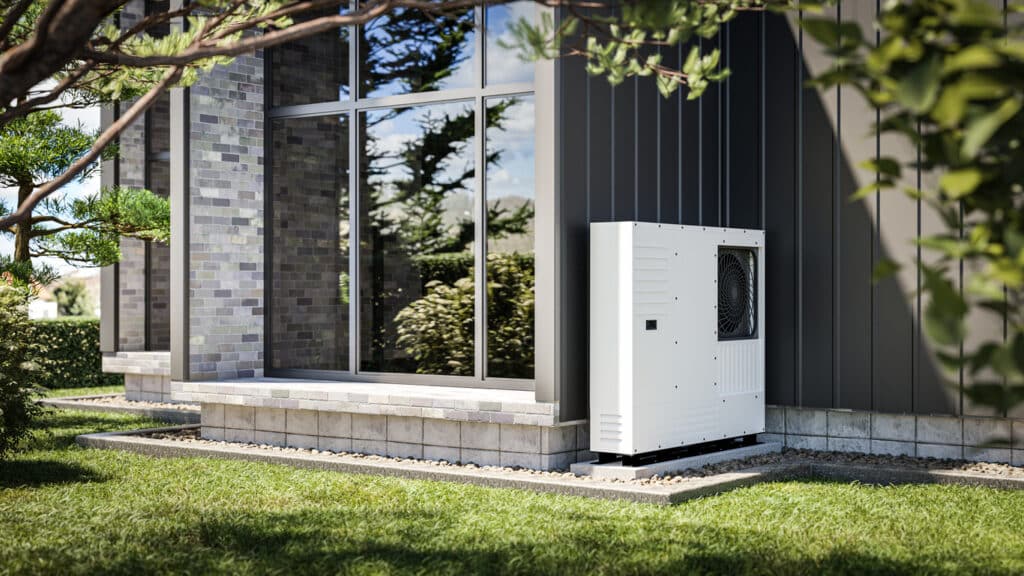
Smart thermostats support multi-zone HVAC systems, allowing temperature control in different areas independently. Each zone can be adjusted based on occupancy or preference, enhancing comfort and reducing energy waste.
This is ideal for large or multi-story homes, where individual zones often have different heating or cooling needs.
Benefits of Smart Home Thermostats
Smart home thermostats provide several practical benefits. Automated scheduling and occupancy detection reduce manual intervention, energy reports help identify areas for improvement, and integration with other smart devices adds convenience.
Homeowners experience consistent comfort, reduced energy bills, and the ability to manage their home environment from anywhere. These benefits make smart thermostats a key component of modern, energy-efficient homes.
Practical Use Cases
Energy Optimization: Users can monitor energy consumption and adjust settings to reduce utility costs.
Remote Control: Smart thermostats allow homeowners to manage temperatures while away, ideal for vacation homes or rentals.
Home Automation Integration: Thermostats can trigger routines in coordination with lighting, security, and other smart devices.
Multi-Zone Comfort: Remote sensors and zone control provide personalized comfort across all areas of the home.
Frequently Asked Questions
Q1. How do smart home thermostats save energy?
Smart thermostats adjust heating and cooling based on occupancy, schedules, and preferences. This reduces unnecessary energy use and helps lower utility bills.
Q2. Can smart thermostats be integrated with other smart home devices?
Yes. They work with platforms like Amazon Alexa, Google Assistant, and Apple HomeKit to enable voice control, automation routines, and integration with lighting, security, and other smart devices.
Q3. Are smart thermostats suitable for vacation homes or rentals?
Absolutely. Remote access allows homeowners or property managers to maintain comfort and energy efficiency without being physically present.