Smart Homes for Sale A Complete Guide to the Future of Connected Living
The term “smart homes for sale” refers to residential properties equipped with advanced technologies designed to improve comfort, energy efficiency, security, and overall convenience. Unlike traditional homes, these properties are embedded with interconnected devices that communicate with each other, allowing homeowners to control and automate different aspects of daily living.
From voice-activated assistants to app-controlled lighting and heating systems, smart homes are no longer futuristic concepts. They are a growing reality in Tier 1 countries such as the United States, United Kingdom, Canada, and Australia, where developers are integrating automation and artificial intelligence into residential projects. This trend is shaping the way people evaluate homes for sale, making technology an important factor in real estate decisions.
Why Smart Homes Are in High Demand
The demand for smart homes for sale has surged over the past few years. Buyers are increasingly looking for properties that can support energy savings, provide enhanced security, and deliver seamless convenience. Modern homebuyers are tech-savvy and want houses that can keep up with their lifestyles.
Another key reason for the rise of smart homes is sustainability. Many smart homes feature energy-efficient solutions such as automated lighting, smart thermostats, and solar integration. These not only help reduce utility bills but also align with eco-friendly living trends. As governments worldwide encourage energy conservation, smart homes become even more attractive investments.
Core Features of Smart Homes
Home Automation and Control Systems
Smart homes are defined by automation systems that allow residents to control lights, appliances, and HVAC systems with their smartphones or voice assistants. This level of convenience saves time, enhances comfort, and creates a personalized living environment.
Smart Security Solutions
Properties listed as smart homes for sale often include advanced security features. These range from doorbell cameras with facial recognition to automated locks and motion-detection systems. Buyers value these because they reduce risks and offer peace of mind.
Energy Management Systems
Another common feature of smart homes is efficient energy management. Automated thermostats, solar panels, and water-saving systems make these homes cost-efficient and environmentally responsible. This technology-driven approach adds long-term value to the property.
Benefits of Living in a Smart Home
Enhanced Convenience
Owning a smart home means daily routines become more efficient. From setting the coffee machine to start automatically in the morning to controlling lights without leaving the bed, the convenience factor is unmatched.
Improved Safety and Security
With smart locks, AI-powered surveillance, and real-time alerts, homeowners can monitor their property remotely. This feature is particularly useful for frequent travelers or those with families who want extra layers of protection.
Long-Term Cost Savings
Though smart homes may cost more initially, they provide significant savings over time. Lower energy bills, reduced water consumption, and less wasted heating or cooling make these homes financially practical in the long run.
Sustainable Living
Smart homes promote eco-conscious lifestyles. By integrating energy-efficient solutions, residents can minimize their carbon footprint while still enjoying modern comforts. This aligns with the growing global emphasis on sustainability.
Real-World Examples of Smart Homes for Sale
1. Smart Condominiums in New York City
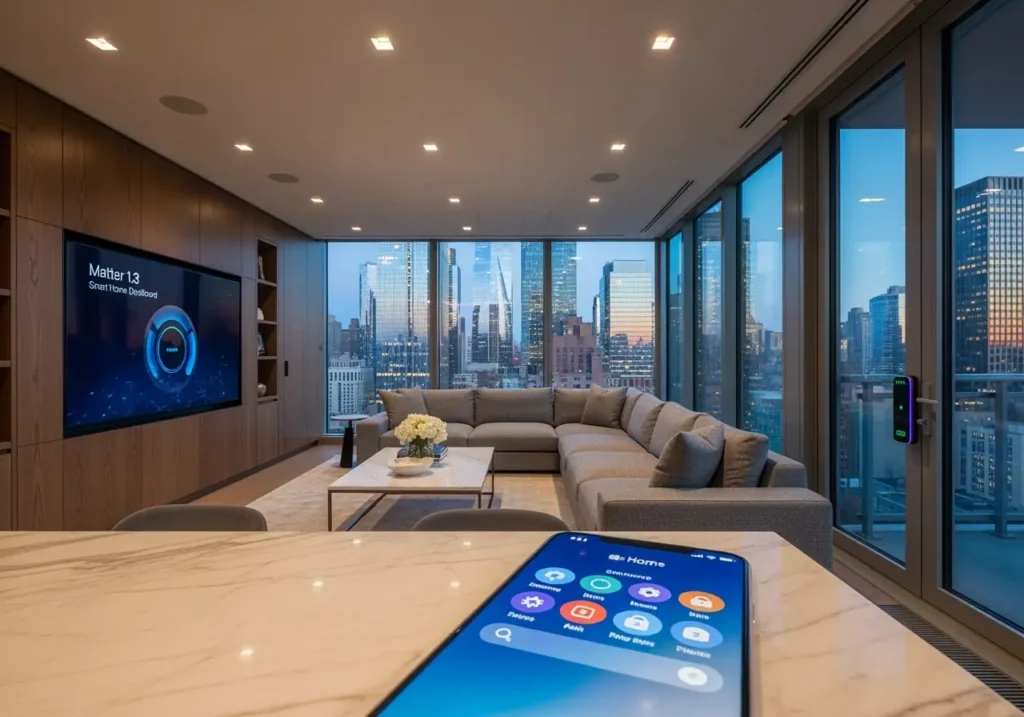
In New York City, several luxury condominiums are marketed as smart homes for sale. These high-rise apartments are equipped with automated lighting, app-controlled climate systems, and integrated entertainment hubs. Residents enjoy seamless technology that connects every aspect of urban living, from security entry systems to voice-controlled elevators.
This setup addresses the challenge of busy metropolitan lifestyles by providing convenience and efficiency. Residents can adjust their home environment with just a smartphone, saving time and energy while enhancing comfort.
2. Eco-Friendly Smart Villas in Sydney
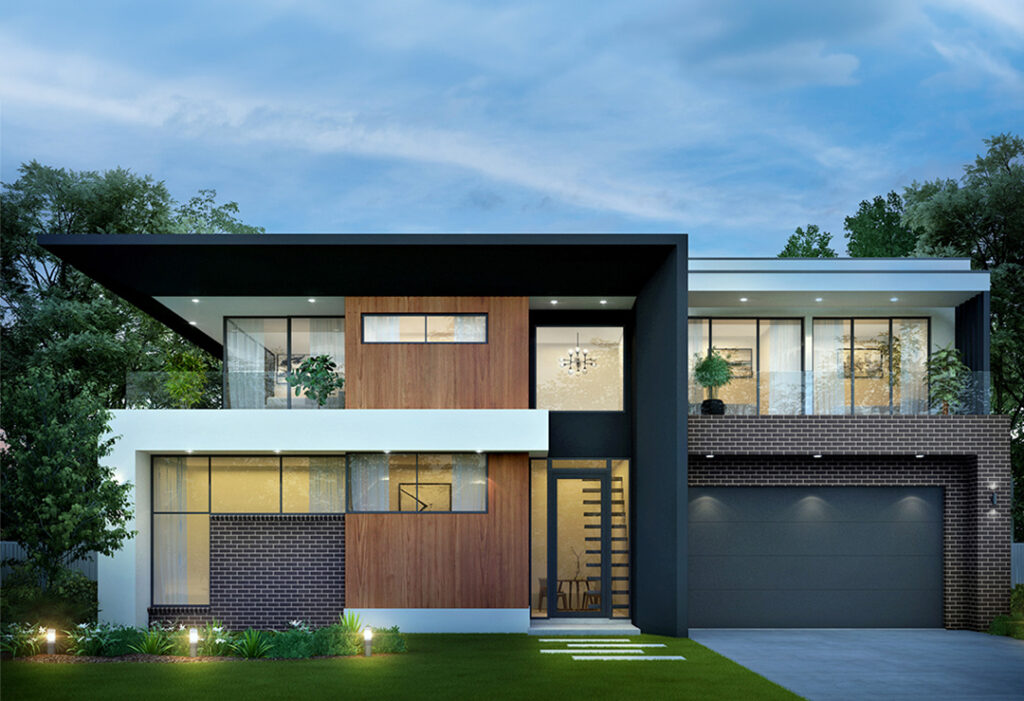
In Sydney, developers are offering smart villas designed with eco-sustainability in mind. These properties often come with solar panels, rainwater harvesting systems, and AI-driven climate controls. Buyers are attracted to these homes not only for their luxury appeal but also for the significant reduction in environmental impact.
These villas cater to families who want the perfect balance between luxury living and responsible environmental practices. Smart technologies ensure that energy consumption is minimized without sacrificing comfort or aesthetics.
3. Suburban Smart Homes in Toronto
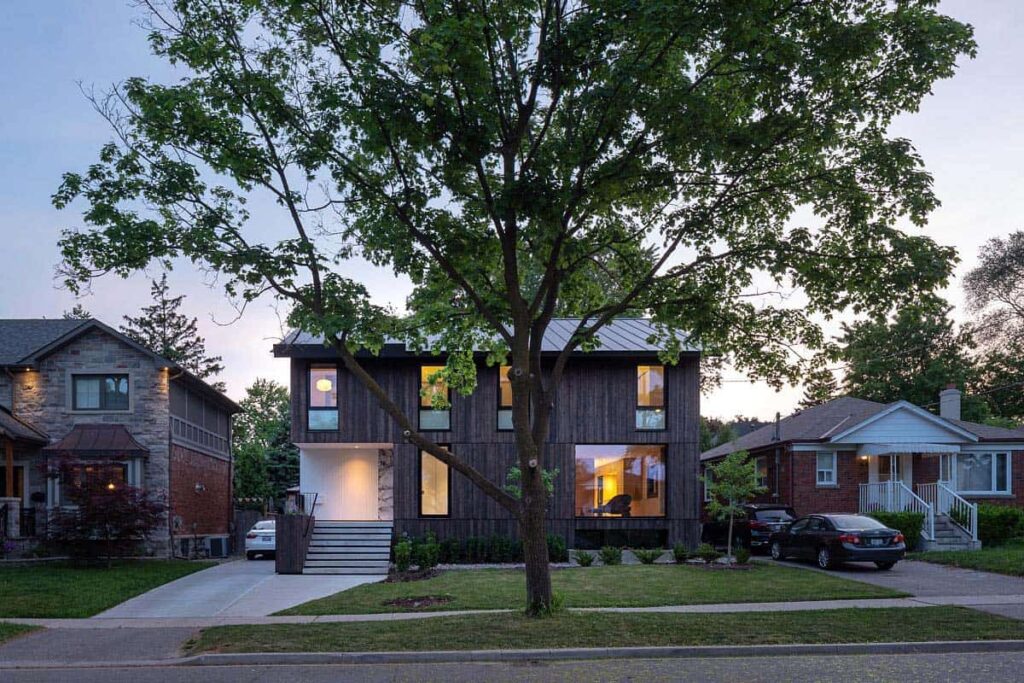
In the suburbs of Toronto, real estate developers are introducing smart homes tailored for families. These houses typically feature smart locks, energy-efficient appliances, and integrated security monitoring. Buyers appreciate the focus on safety and functionality, especially for raising children in a connected and secure environment.
This real-world case demonstrates how smart homes are expanding beyond luxury markets into family-friendly communities. The accessibility of these homes ensures more households can benefit from smart technology.
4. Futuristic Smart Apartments in London
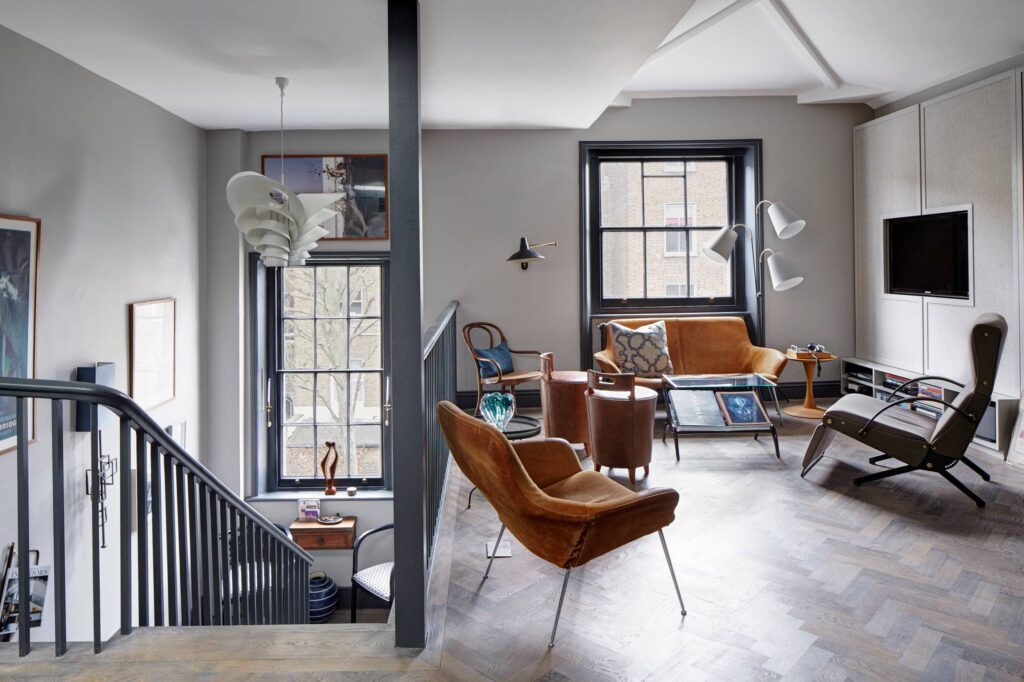
London’s property market includes futuristic smart apartments that blend advanced design with cutting-edge technology. These homes often come pre-installed with voice-controlled assistants, AI climate management, and adaptive lighting systems that adjust according to natural light.
These apartments represent how smart homes for sale are evolving into highly efficient spaces for professionals. With sustainability certifications and advanced tech, they appeal to eco-conscious buyers who also prioritize modern design.
Use Cases: How Smart Homes Solve Real-Life Problems
Busy Professionals and Families
For busy individuals, smart homes eliminate small but time-consuming tasks. Automation ensures that chores such as adjusting thermostats or turning off lights are handled automatically, allowing homeowners to focus on more important aspects of life.
Safety for Elderly Residents
Smart homes can be programmed to monitor the safety of elderly residents. Features such as fall detection sensors, remote health monitoring, and voice-controlled emergency alerts provide independence and security for seniors living alone.
Environmental Sustainability
With energy-efficient features, smart homes directly contribute to reducing environmental impact. Automated systems ensure optimal energy use, while solar integration further cuts dependence on traditional power sources.
Travel-Friendly Monitoring
Homeowners who travel frequently can benefit from real-time monitoring through smart security systems. They can lock doors, view camera feeds, and even simulate occupancy with automated lighting while away from home.
Future Outlook of Smart Homes for Sale
The future of smart homes is closely tied to the growth of artificial intelligence, the Internet of Things (IoT), and sustainable construction practices. By 2030, it is expected that the majority of new residential properties in Tier 1 countries will include smart technologies by default. This indicates that today’s smart homes for sale are not just a trend, but a preview of mainstream housing in the future.
As buyers continue to prioritize efficiency, security, and sustainability, real estate markets worldwide will adapt to integrate more technology into properties. This creates exciting opportunities for investors, developers, and homeowners alike.
Frequently Asked Questions (FAQ)
Q1. Are smart homes more expensive than traditional homes?
Yes, smart homes often have higher upfront costs due to advanced technology integration. However, they provide significant long-term savings in energy bills and add property value, making them cost-effective over time.
Q2. Can smart homes be customized after purchase?
Absolutely. While many smart homes for sale come with built-in features, homeowners can easily add more devices or systems, such as additional security cameras, smart speakers, or energy management tools.
Q3. Are smart homes safe from hacking or digital threats?
Security is a valid concern. Most smart home systems are built with encryption and security protocols. However, homeowners should update software regularly, use strong passwords, and enable multi-factor authentication to minimize risks.