Urban Green Apartments 2025 Sustainable Living in Modern Cities
Urban green apartments, often referred to as “urban green apts,” represent the future of sustainable living in city environments. With rapid urbanization, rising populations, and the environmental challenges facing modern societies, developers and architects are increasingly embracing eco-friendly apartment designs. These apartments integrate green building materials, energy-efficient systems, and sustainable practices that make urban living more balanced with nature.
Unlike traditional high-density residential buildings, urban green apartments focus on reducing carbon footprints while enhancing the quality of life. They provide eco-conscious amenities such as rooftop gardens, solar energy integration, water recycling systems, and indoor air purification technologies. In 2025, they stand as a crucial solution for cities looking to balance growth with environmental responsibility.
The Concept and Growth of Urban Green Apartments
The idea of urban green living started as a response to the environmental concerns of the late 20th century. Initially, green housing developments were niche projects. Today, however, urban green apartments are becoming mainstream due to policy incentives, consumer demand for sustainability, and technological innovations.
In cities like New York, London, and Singapore, urban green apartments are no longer just a trend-they are a necessity. These spaces provide healthier living conditions while reducing utility costs and conserving natural resources. The growth of this market is also tied to the rising awareness of climate change and the need for energy-efficient urban infrastructure.
Why Urban Green Apartments Matter in 2025
Environmental Responsibility
Urban green apartments directly address the climate crisis by minimizing energy consumption and integrating renewable energy sources. They reduce greenhouse gas emissions, conserve water, and support biodiversity through green roofs and vertical gardens.
Healthier Living Spaces
Beyond sustainability, green apartments offer healthier environments for residents. From natural lighting to advanced air purification, these spaces reduce exposure to toxins and improve overall well-being.
Long-Term Value
Properties designed with sustainability in mind tend to have higher long-term value. Tenants and buyers increasingly prioritize eco-friendly features, making these apartments attractive for both living and investment purposes.
Real-World Examples of Urban Green Apartments
1. Bosco Verticale in Milan, Italy
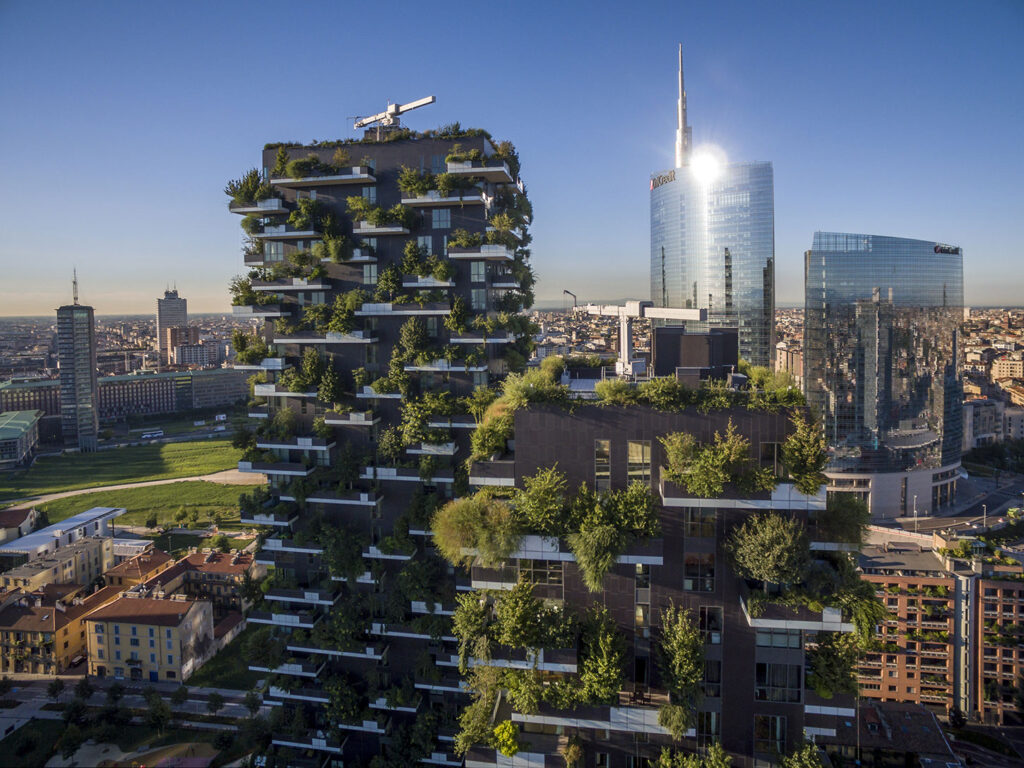
Bosco Verticale, or “Vertical Forest,” is one of the most iconic examples of urban green apartments. Designed with over 900 trees and thousands of shrubs integrated into the building’s façade, it showcases how urban residential living can coexist with nature.
Residents enjoy natural insulation from heat and noise, cleaner air, and stunning views of the greenery that surrounds them. This project demonstrates how vertical gardens can transform a high-rise into a living ecosystem that improves both resident lifestyles and the urban environment.
2. One Central Park in Sydney, Australia
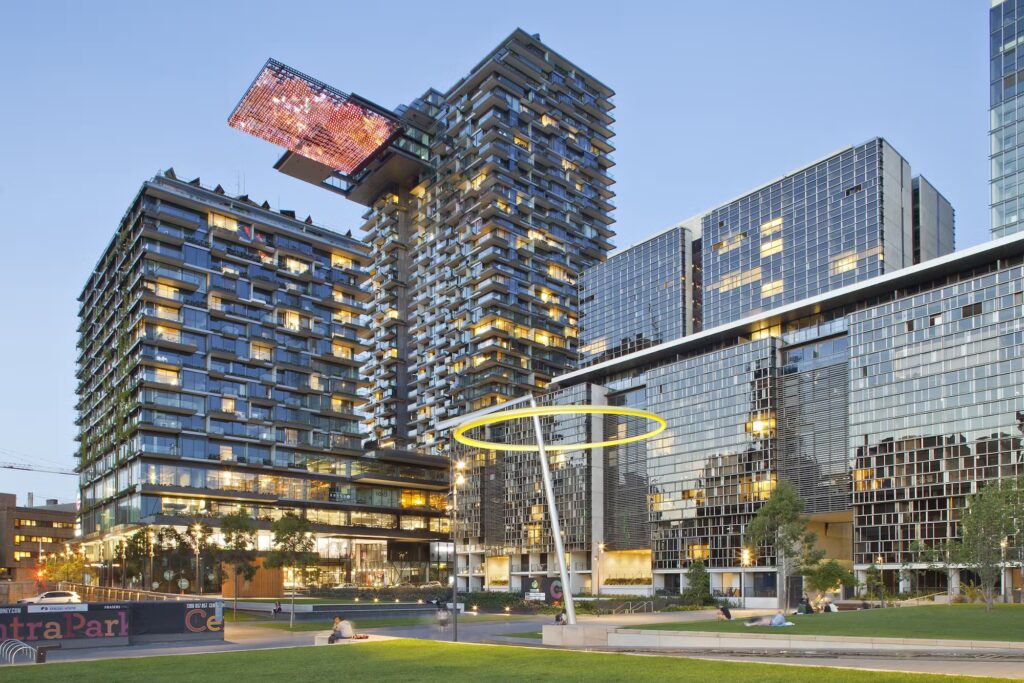
One Central Park is another renowned development that integrates green design into urban living. The building features vertical gardens designed by renowned botanist Patrick Blanc, along with a heliostat system that reflects natural light into shaded areas.
For residents, this design provides not just sustainability but also comfort and aesthetics. The integration of green walls reduces the urban heat island effect, while the heliostat improves access to natural light, enhancing indoor living experiences.
3. The Edge in Amsterdam, Netherlands
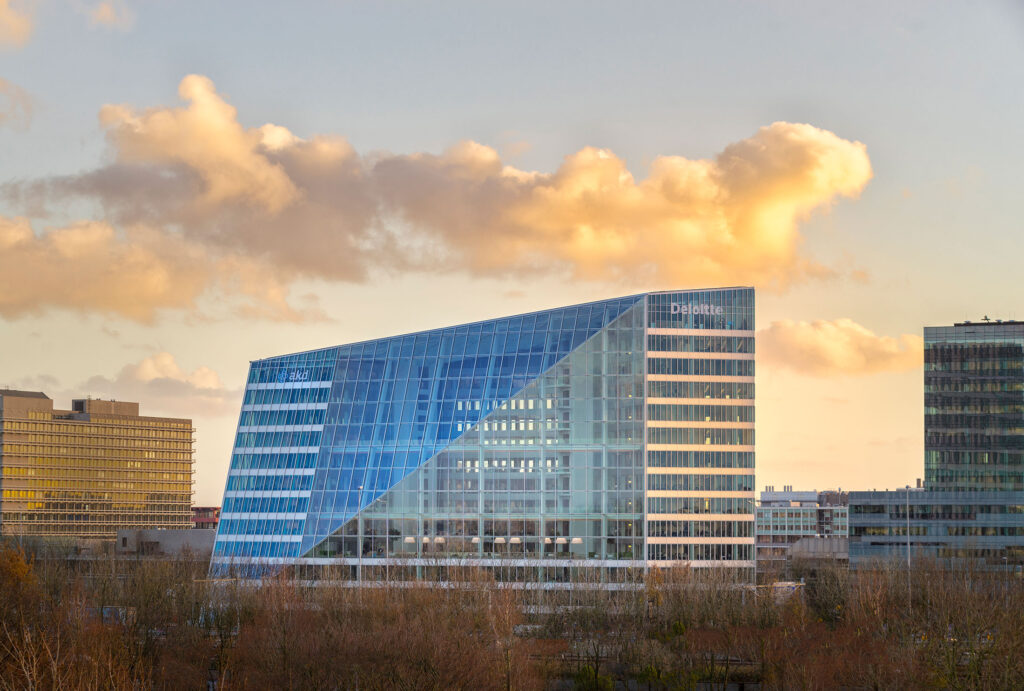
Although primarily known as an office building, The Edge also represents a benchmark in green architecture, with residential inspirations being developed around similar principles. It uses solar panels, rainwater collection, and smart energy management systems to minimize consumption.
Urban green apartments that follow The Edge’s model often adopt integrated technologies such as smart thermostats and renewable energy monitoring. This creates a seamless blend of comfort, efficiency, and sustainability for residents.
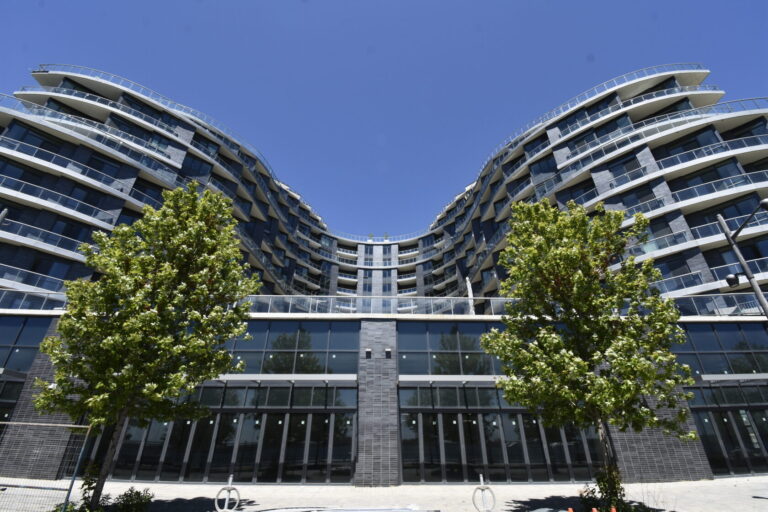
4. Via Verde in the Bronx, New York
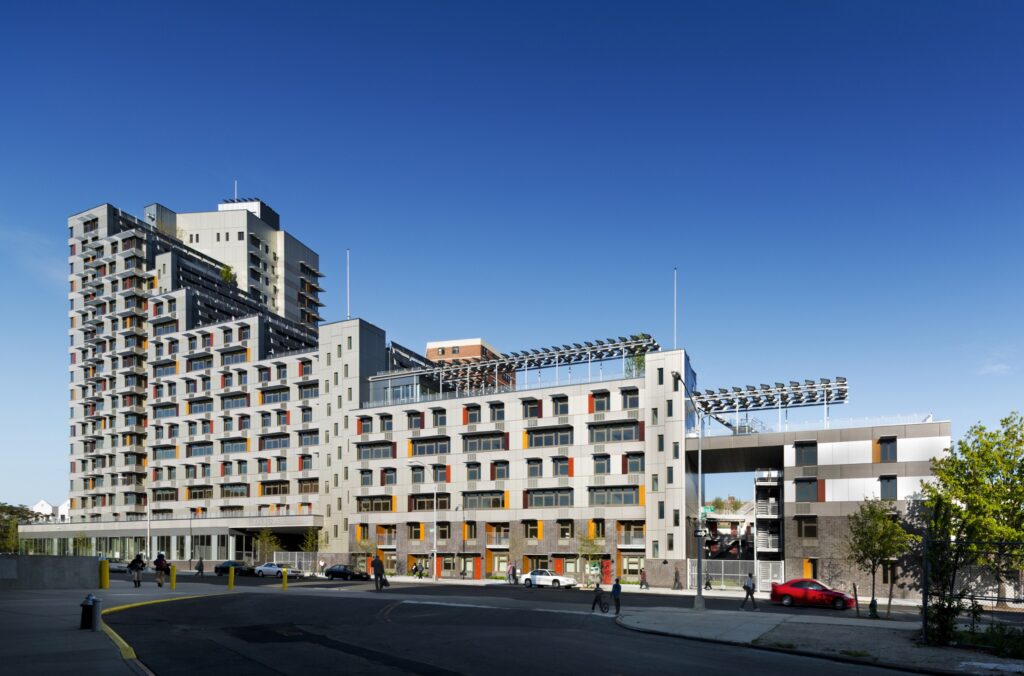
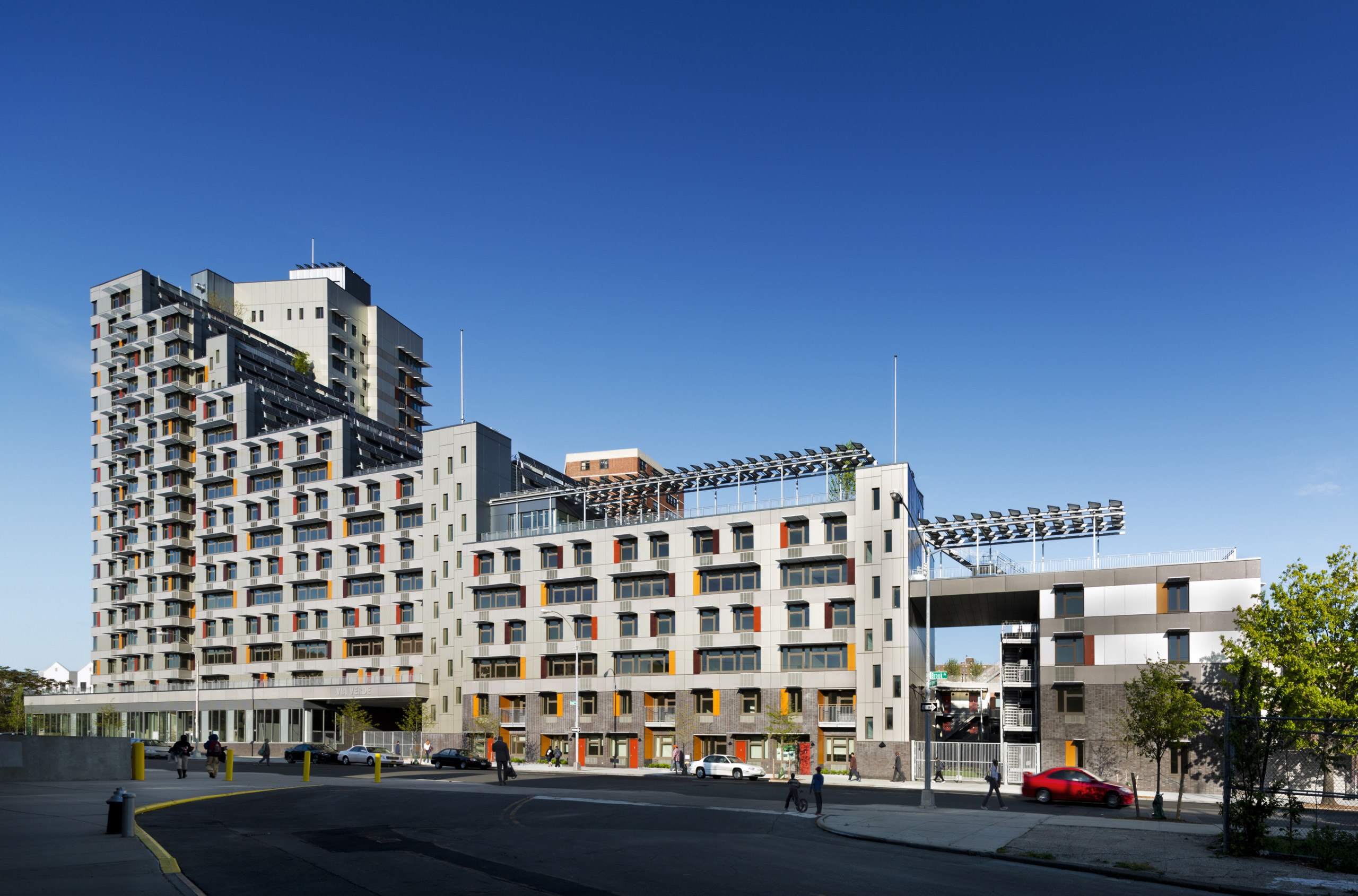
Via Verde is a community-focused development that embodies the principles of urban green apartments. It includes rooftop gardens, solar panels, and rainwater harvesting systems. More importantly, it provides affordable green housing, ensuring that sustainable living is not limited to luxury markets.
Residents benefit from community farming spaces, shared green rooftops, and improved air quality. Via Verde highlights how sustainability and affordability can be combined in urban real estate, making green living accessible to broader populations.
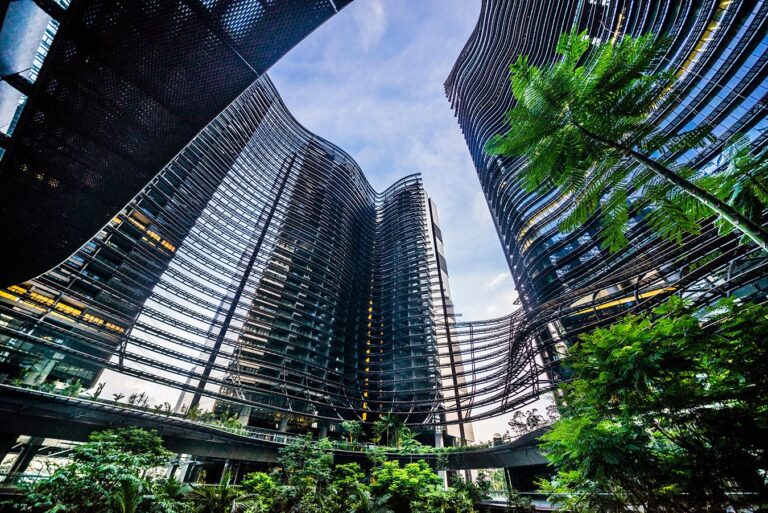
5. ParkRoyal Collection Residences in Singapore
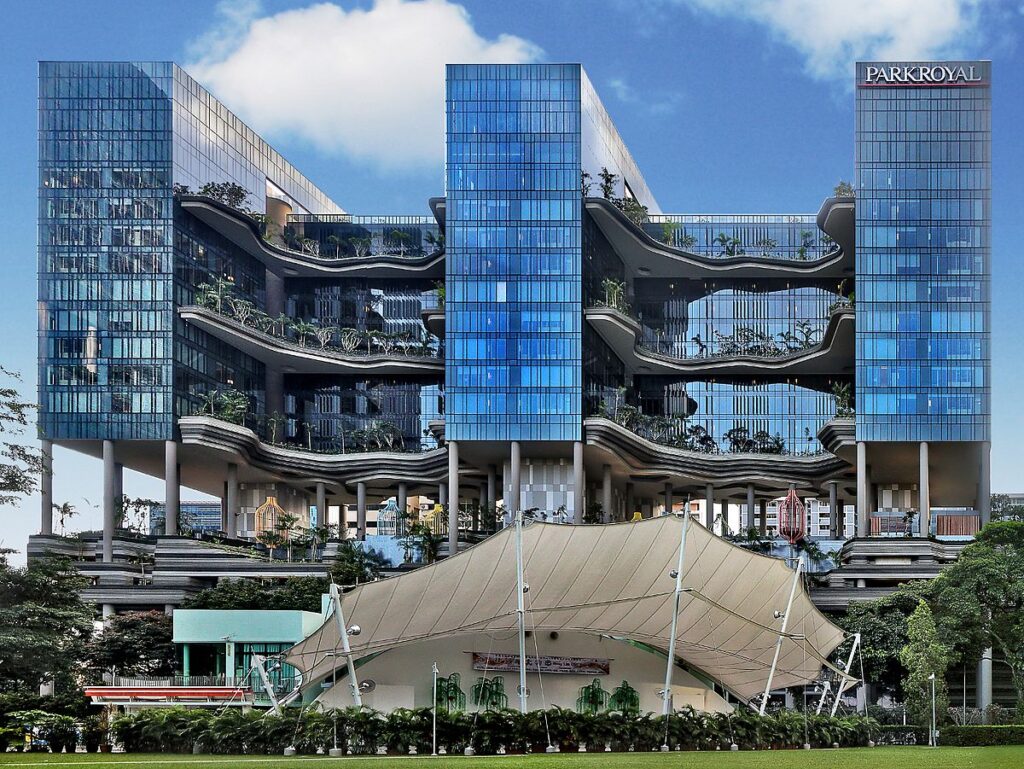
Singapore is renowned for its focus on green living, and the ParkRoyal Collection Residences are a prime example. The apartments feature extensive sky gardens, water features, and energy-efficient systems that merge natural beauty with urban convenience.
Residents enjoy the benefits of biodiversity, with lush greenery reducing stress levels and creating a sense of harmony within a bustling city. The development shows how tropical climates can harness green architecture for comfort and environmental balance.
Technology in Urban Green Apartments
Smart Energy Systems
Urban green apartments often integrate smart grids and renewable energy systems, allowing residents to track and manage their energy use in real time. Solar panels and energy-efficient appliances further reduce reliance on fossil fuels.
Water Recycling and Conservation
Advanced water recycling systems reuse greywater for irrigation and other non-potable purposes. Smart water meters help detect leaks and encourage efficient use. This not only conserves resources but also reduces utility costs for residents.
Air Quality and Indoor Wellness
Technology enhances indoor air quality through advanced HVAC systems with built-in filtration, reducing allergens and pollutants. Combined with natural ventilation and biophilic design, these systems create healthier living spaces.
Green Building Materials
Developers now use recycled, locally sourced, and low-emission materials to construct urban green apartments. This ensures that sustainability begins at the foundation and continues throughout the building’s lifecycle.
Benefits of Urban Green Apartments
Reduced Environmental Footprint
By consuming less energy and water, these apartments help reduce the environmental impact of urbanization. They contribute to global climate goals while supporting local sustainability efforts.
Lower Utility Costs
Green apartments save residents money through energy efficiency and water conservation. Smart systems minimize waste, making daily living more cost-effective.
Improved Quality of Life
Natural lighting, greenery, and healthier air improve both physical and mental well-being. Studies have shown that living in eco-friendly spaces reduces stress and enhances productivity.
Community Building
Shared green spaces encourage interaction among residents. Rooftop gardens and communal courtyards foster stronger communities, balancing urban density with social connection.
Use Cases for Urban Green Apartments
Housing for Young Professionals
For young professionals, provide a sustainable lifestyle that aligns with their values. Smart technology integration also makes daily routines easier and more efficient.
Family-Friendly Eco-Living
Families benefit from healthier indoor air, natural light, and outdoor play spaces in green apartment developments. These factors contribute to safer and healthier environments for children.
Affordable Green Housing Solutions
Urban green apartments can address housing shortages while promoting sustainability. Projects like Via Verde prove that eco-friendly housing can be affordable and accessible.
Corporate and Institutional Integration
Some green apartments are tied to nearby business hubs, offering professionals housing that aligns with corporate sustainability goals. Companies increasingly support employees who live in environmentally conscious communities.
Long-Term Investment Opportunities
For investors, green apartments provide stability and long-term growth potential. Eco-friendly housing is more attractive to buyers and tenants, ensuring consistent demand and strong market value.
Frequently Asked Questions
Q1. What makes urban green apartments different from regular apartments?
Urban green apartments incorporate eco-friendly designs, renewable energy systems, water recycling, and natural spaces. They prioritize sustainability and resident well-being, unlike traditional apartments that may lack such features.
Q2. Are urban green apartments more expensive to live in?
While initial costs may be slightly higher due to advanced technologies and materials, residents often save on utility bills. Over time, the lower operating costs and healthier lifestyle balance the investment.
Q3. Can urban green apartments be built in all cities?
Yes. Although designs vary depending on climate and local resources, the concept of green apartments can be adapted to any urban environment. Cities around the world are adopting these models to support sustainability.